An aquanaut comes home: Returning to Earth from an undersea 'space station'
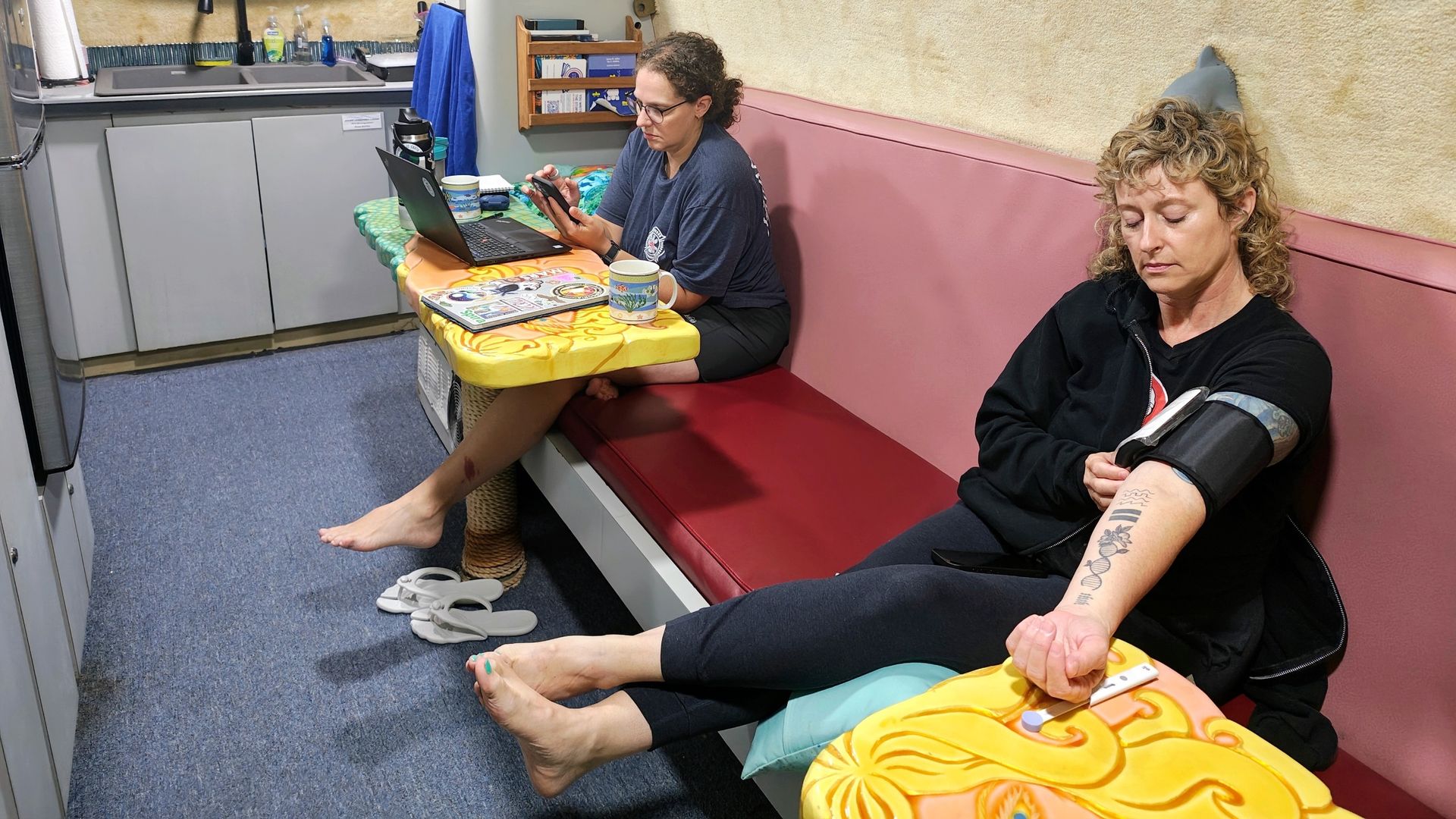
I keep thinking about the pressure part. Five days at depth and your body adjusts, your ears and lungs and blood all quietly renegotiate their deal with physics, and then you surface and have to renegotiate again. That's the part we usually skip in the movies: the return is its own mission. Dr. Musilova's crew didn't just open a hatch and step into sunlight. They had to decompress, physically and socially, after nearly a week of being unreachable. The disconnection from home is the detail that sticks with me. Not the isolation from Earth, but the isolation from the people who are technically only a few meters above the water.
This matters because we keep designing for the outward journey. We build habitats, test EVA suits, practice resource rationing. But the homecoming is where the human story gets messy. What does it do to a crew to know they've been underwater, in a tin can, while the rest of the world carried on without them? And what does it do to the people waiting? Analog missions like this are cheap and close to home, but they're rehearsing something real. I'd want to know how long the effects lasted, whether the crew slept badly, whether the bonds they formed underwater feel strange now that they're back in ordinary gravity. The next crew to come home from Mars won't have a surface to surface to. They'll just have the long fall back.