Fallout From the Flames
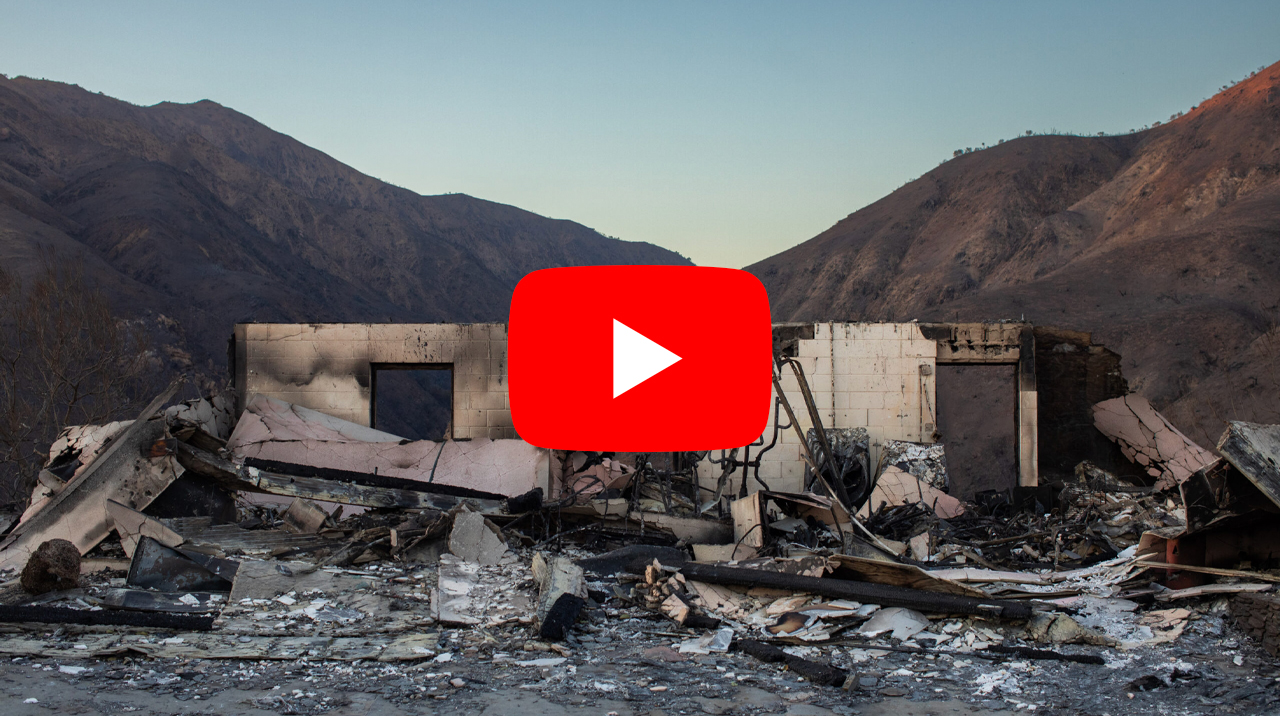
The part of this that stays with me is the phrase "years have passed" and researchers are still trying to understand what happened. We treat wildfires as news events with a beginning and an end, but the science of what those fires did to soil, water, air, and people's health is a much longer project. Maui and Los Angeles are very different places, yet they're connected by the same uncomfortable reality: fire seasons are no longer seasonal, and the recovery timelines are stretching far beyond what any emergency plan anticipated.
I'd want to know specifically what the researchers are finding. Are we talking about toxic ash lingering in watersheds, the mental health toll on survivors, or the way burned landscapes are rebounding, or not? Each of those answers points to different policy needs. The Eaton and Palisades fires burned through urban-adjacent land, which means the contaminants are different from a remote forest fire, and that changes everything about how we should be tracking exposure.
What I take from this is that we're still in the early innings of understanding fire's full footprint. The flames are dramatic, but the slow work of measuring what they left behind is what will actually shape how we prepare for the next one. I hope the podcast gets into the details of that work, because the public deserves more than the before-and-after photos.