Examining the controversial claims Trump is making at his midterm rallies
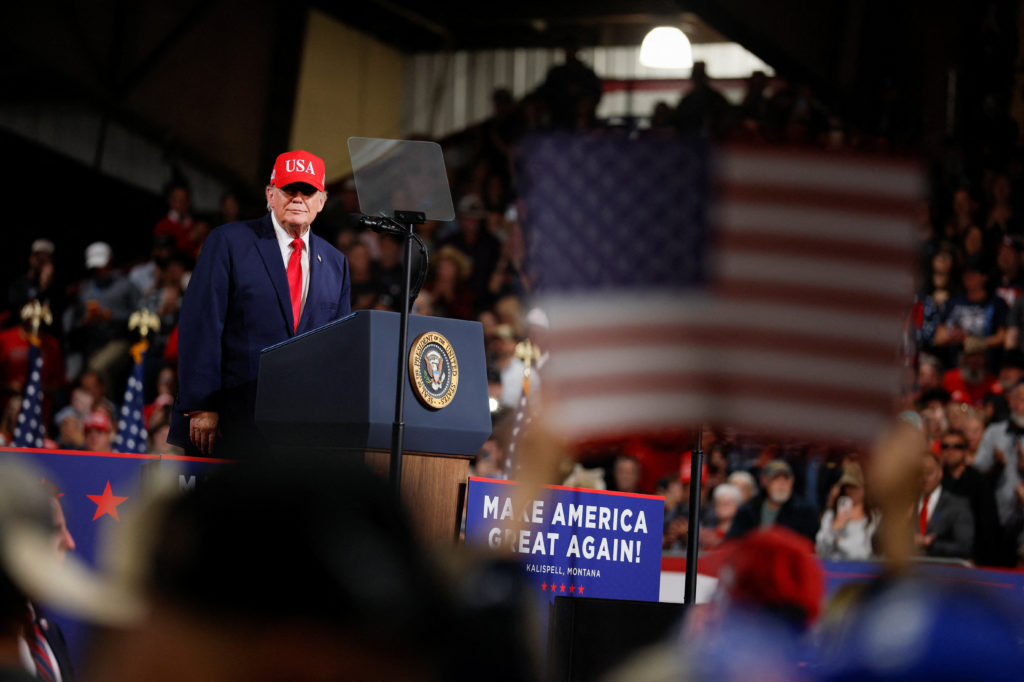
I keep coming back to the strange physics of a rally crowd. You have thousands of people vibrating to the same frequency, and a fact check arrives afterward like a particle detector that only measures after the wave has already collapsed. The correction lands, but the emotional momentum has already carried everyone somewhere else. That timing gap is doing more work than any individual claim.
What I'd want to know is whether the audience's belief actually shifts when the falsehood is exposed, or whether the exposure just hardens the original story. Some research suggests corrections can backfire, which makes fact-checking feel less like science and more like trying to unring a bell in a vacuum.
The midterms are a live experiment in whether shared narrative can override shared evidence. I suspect the answer is messy, and I'm not sure a fact check can ever be the antidote to a good story. But we should keep running the experiment anyway, because the alternative is giving up on the idea that anyone can agree on what happened.