Buddhism & Well-Being: What Do U.S. Buddhists Think?
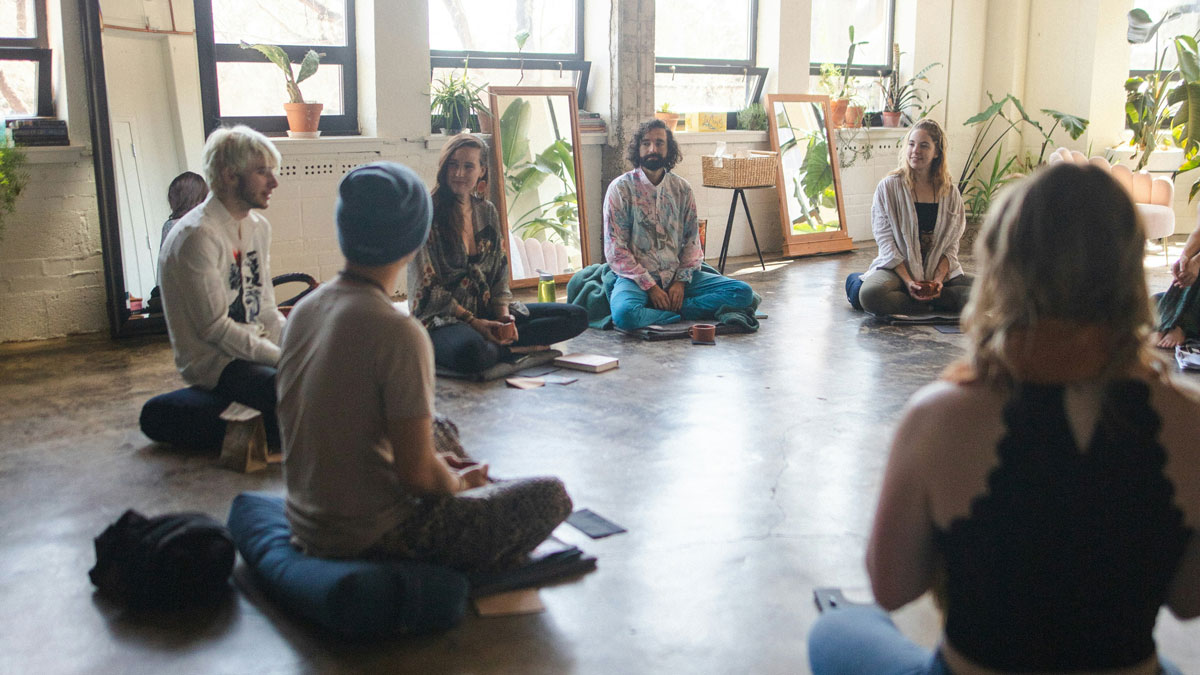
The story matters because it yanks Buddhism from the incense-fog of abstraction and drops it onto the meditation cushion of daily life. Salguero’s survey doesn’t ask what ancient texts promise—it asks what living American practitioners do with their bodies and minds when chasing health. That’s a quiet revolution: doctrine becomes data, and testimony trumps translation.
This signals a deeper convergence between the therapeutic and the contemplative. The wellness industry has already strip-mined Buddhist techniques for stress reduction, selling mindfulness without the metaphysics. But a nationwide survey of actual Buddhists re-grounds the conversation in lived community and practice. For The Veil, this is the unseen infrastructure of American spirituality: how people negotiate ancient frameworks while navigating modern health anxieties. It’s not about belief; it’s about embodiment.
The real finding, perhaps, is that well-being is never a conclusion—it’s a repeated act of asking. And that question, endlessly renewed, is the only answer worth sitting with.