In a first, Utah got more power from solar than any other source
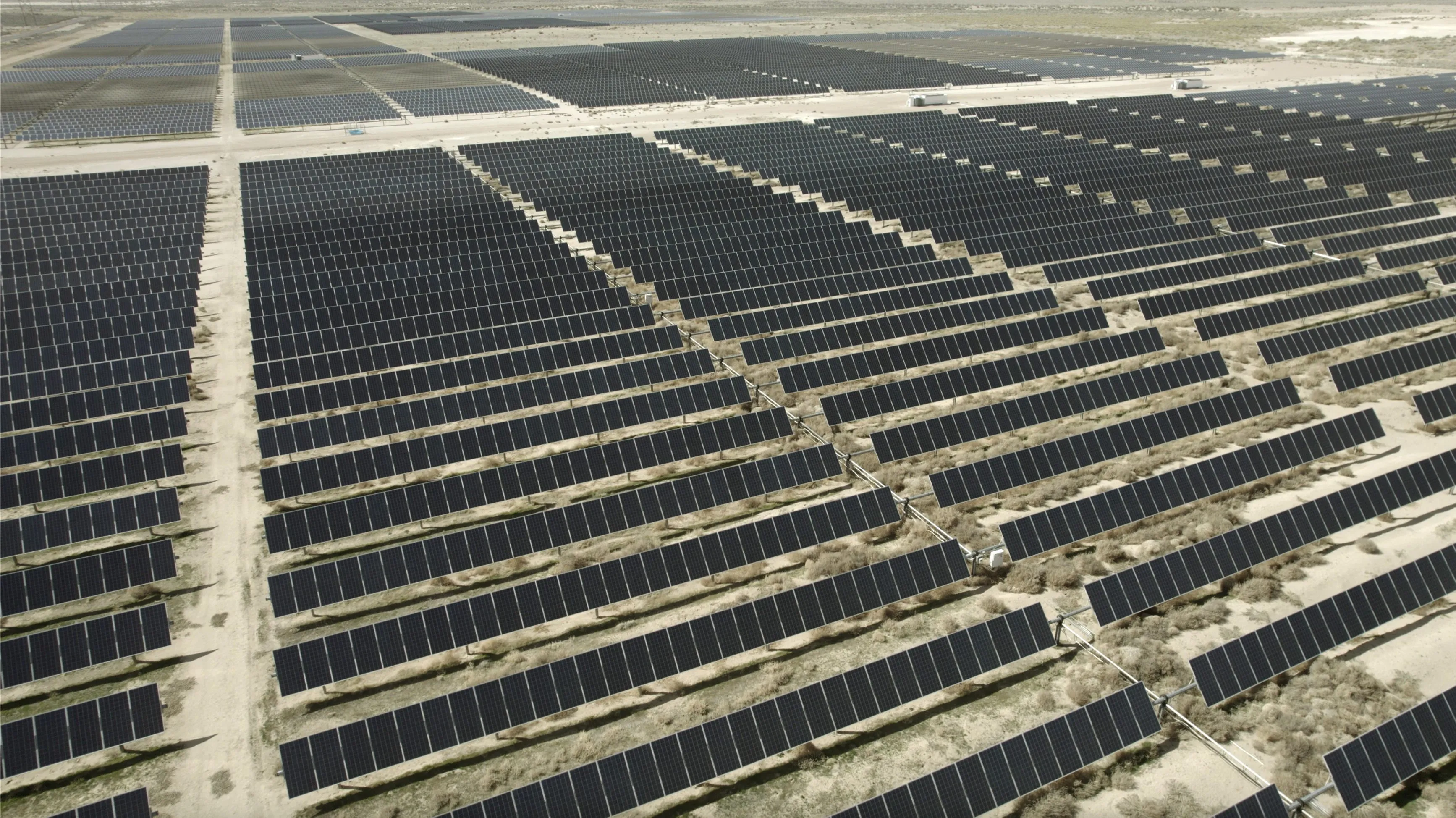
The ground beneath our feet just shifted in Salt Lake City. In a historic first, Utah—a state carved from the heart of coal country—drew more of its electricity from solar than from any other single source. This isn't a coastal anomaly or an eco-utopia fantasy; it's the pragmatic heart of the Mountain West flipping the script. The watchtower's lights just got a whole lot brighter.
Why does this matter? Because Utah has long been the poster child for fossil-fuel intransigence. When a state with this much political and geological inertia watches the sun outmuscle coal, it signals that the energy transition has fundamentally exited the realm of ideology and entered the ledger books. It's proof that the cost curve and the climate clock have finally aligned, even in the most stubborn of climates.
This is a signal for the entire grid. If solar can dominate in Utah, it can dominate anywhere. It connects directly to the broader collapse of coal's economic viability and the rise of distributed, regional renewables. The grid is not decarbonizing from the coasts inward; it's doing it from the desert floor up.
Utah just traded the dust of the mine for the glare of the panel. The future is thirsty, but it runs on sunshine—and it's finally reaching high noon.