Meet the real-life Scottish surgeon who inspired Sherlock Holmes
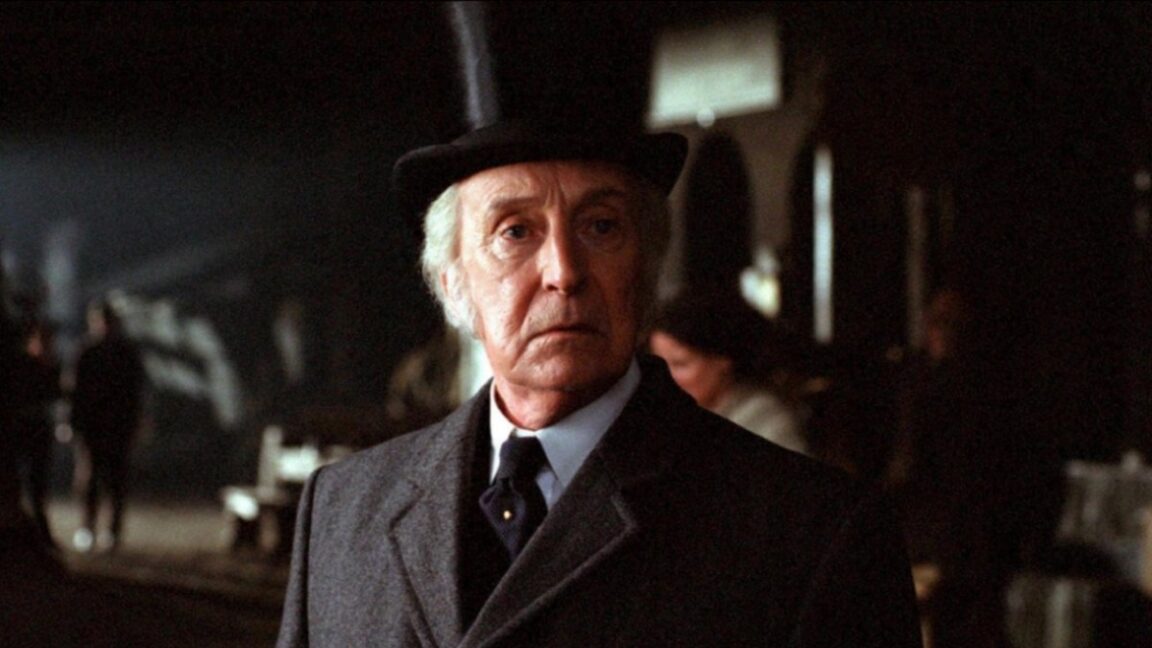
The connection between Joseph Bell and Sherlock Holmes is one of those bits of literary history everyone half-knows, but Fitzharris clearly wants to dig past the anecdote. Bell trained Conan Doyle at Edinburgh, and his party trick of diagnosing a stranger's life from a glance at their hands and boots became the template for Holmes's famous deductions. What I find compelling is how Bell's approach was actually a serious medical methodology, not just a parlour game. He was arguing that careful observation and logical inference could save lives, decades before such thinking became standard in clinical practice.
That's the thread I'd want to pull on. Fiction and medicine were feeding each other in the Victorian era, and the detective story emerged right alongside the modern hospital. Doyle gave Bell's methods a fictional engine, and the genre went on to shape how we think about evidence, investigation, and even forensic science itself. I'd want to know whether Fitzharris finds that Bell's real cases ever outdid the fiction, or whether the legend has grown taller than the man. Either way, it's a reminder that the speculative impulse, the urge to reconstruct the unseen from small clues, has a very real, very practical history.