US Space Force gives Rocket Lab $397 million to build threat-tracking 'Flatellites'
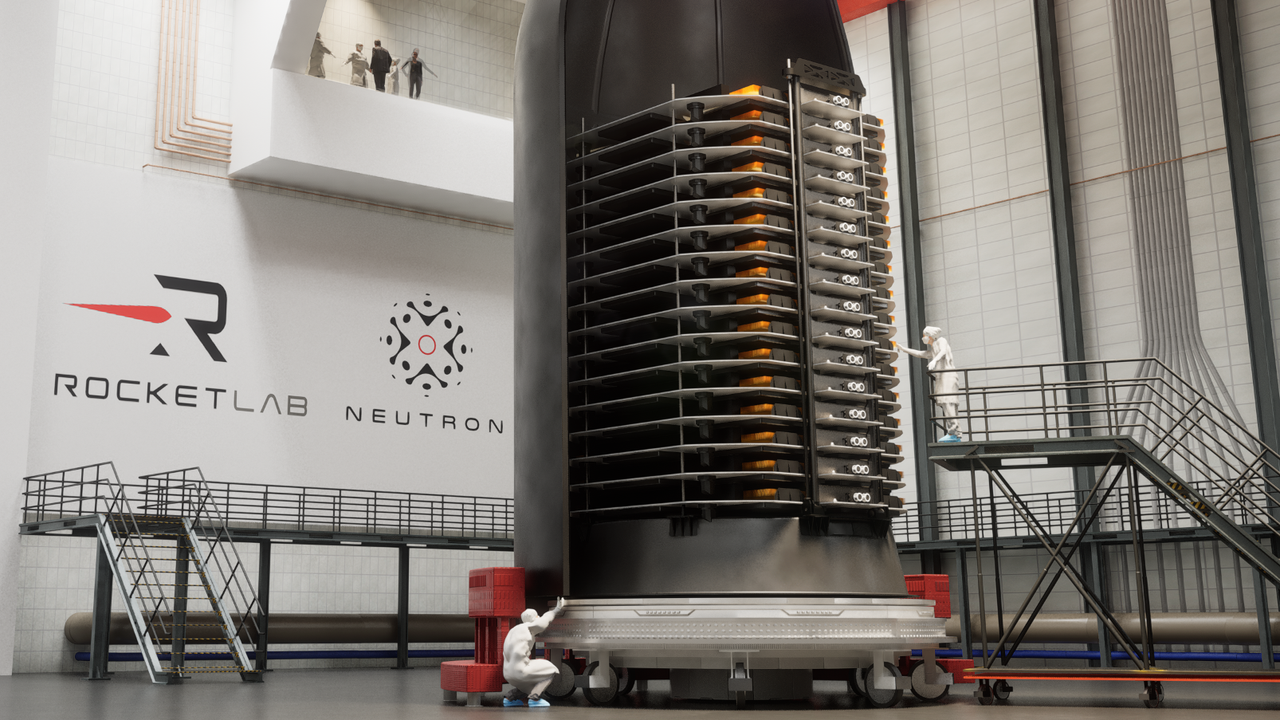
We spend billions to peer into the abyss—and then billions more to make sure the abyss can't peer back. That's the strange paradox of this $397 million award. Rocket Lab's "Flatellites" aren't built to understand the cosmos; they're built to track threats crawling along the skin of our world. This matters because it marks the moment we stop asking what's out there and start asking what's coming here.
It also signals something darker: the full privatization of orbital warfare. Rocket Lab, once the scrappy underdog of smallsats, now manufactures the high ground itself. Space is no longer just a frontier to explore—it's contested territory to fortify. Every flatellite is a pixel in a new kind of paranoia.
Yet there's a quiet poetry hidden in this. The same optics that lock onto ballistic missiles could just as easily watch a coronal mass ejection or an asteroid. Astronomers and sentinels are cousins, both sweeping the dark for something that might end us. The only difference is what we choose to call a threat.
The universe doesn't care who's watching. But we're determined to fill the void with our own anxious reflections—and that, perhaps, is the most human thing of all.