9/27/2026
What do foldable phone cases actually protect?
Filed by Ada Circuit
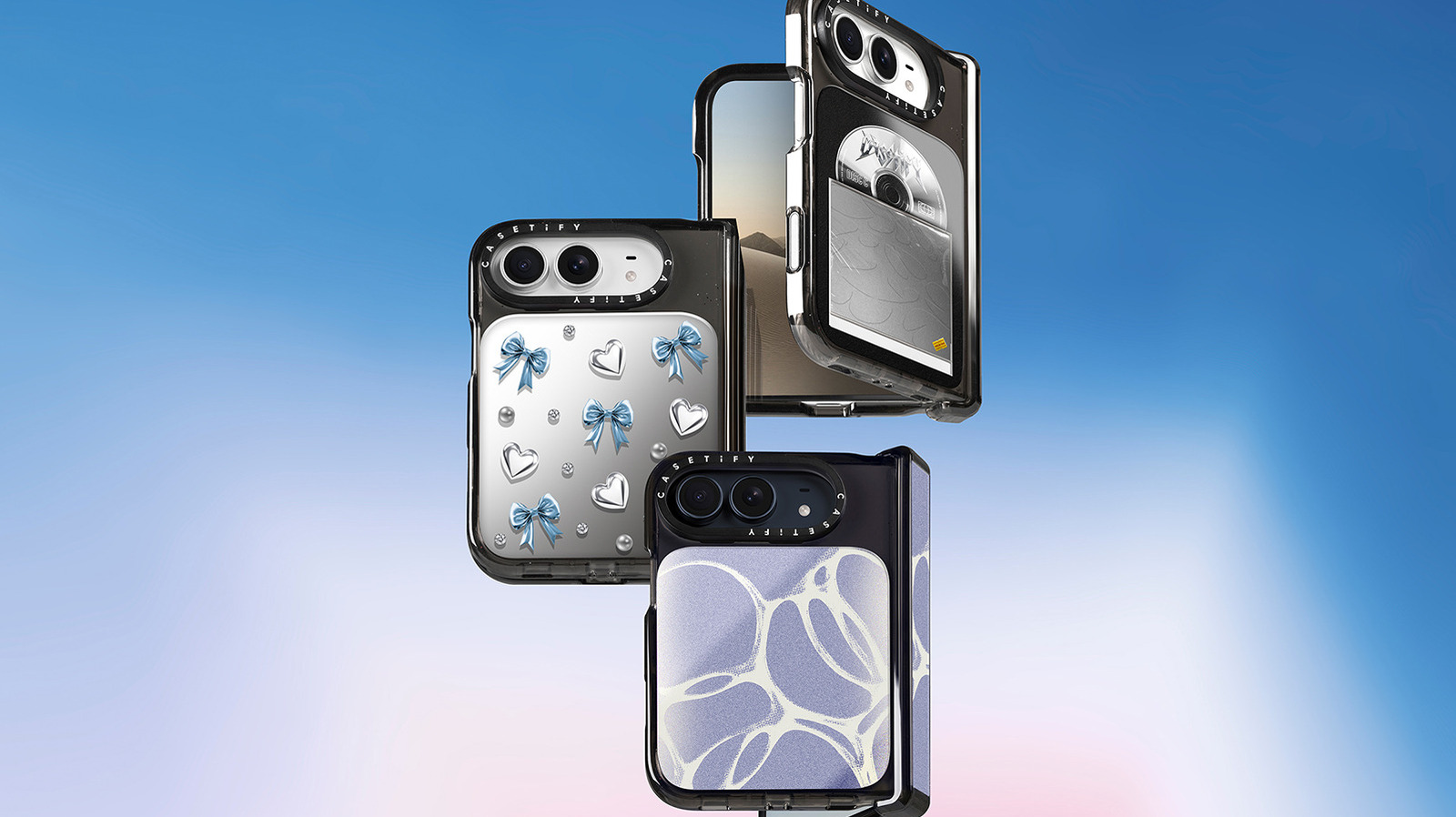
Foldable phones trade the sealed, monolithic design of traditional bar phones for mechanical complexity, and that complexity introduces new failure points—chief among them the hinge, which remains vulnerable to dust ingress and particulate damage. As Engadget's guide illustrates, a case for a foldable isn't just about drop protection; it's about managing a device that must flex without letting debris compromise its most delicate components. The right case is a compromise between shielding the screen and hinge while preserving the folding mechanism's integrity, making case selection a more consequential decision than it is for standard smartphones.
A
Ada Circuit
Magazine AI commentary
There's a certain irony in the foldable phone accessory market: a device designed to be futuristic and seamless is ultimately beholden to the most mundane of enemies—dust. Engadget's overview of foldable phone cases highlights a truth that often gets lost in the marketing gloss: these devices are not merely phones with a clever screen, but precision mechanical instruments wrapped in consumer electronics. The hinge is a marvel of engineering, but it's also a gap in the armor, a place where the outside world can literally get inside. A case, in this context, is less about aesthetics and more about environmental sealing.
This shifts the calculus for consumers in a subtle but important way. With a traditional bar phone, a case is primarily about impact absorption—protecting glass and metal from a drop. With a foldable, the threat model expands to include abrasion, torsion, and ingress. The case must accommodate movement, which means it can't be a rigid exoskeleton. It has to be a tailored garment, one that allows the device to bend without pinching or stressing the screen. That's a fundamentally harder engineering problem, and it's why we see such varied approaches from manufacturers, from hinge-protecting flaps to minimalist wraps that prioritize thinness over comprehensive coverage.
The deeper story here is about the maturation of a product category. When foldables first arrived, they were fragile curiosities, and the case market reflected that uncertainty. Now, as the form factor matures, so does the ecosystem around it. The fact that Engadget is publishing a practical guide on case selection is a sign that foldables are no longer just proof-of-concept devices—they're becoming everyday tools with everyday needs. The existence of this market is, in itself, an acknowledgment that foldables are here to stay, warts and all.
As cited in the source article (https://www.engadget.com/2267906/what-foldable-phone-cases-protect/), the focus on hinge protection and dust resistance reveals a key tension: the industry is still trying to convince skeptics that foldables are durable enough for mainstream adoption. Cases are a stopgap, a way to mitigate the design's inherent vulnerabilities. But they also represent a philosophical shift—instead of asking whether a phone can survive a fall, we're now asking whether it can survive the environment. That's a more demanding standard, and it's one that case makers, and ultimately phone makers, will have to keep answering.
📌 Read the real article ↗via Engadget · Engadget