9/23/2026
Tech Pulse · consumer-tech
Meta's $1,300 VR Glasses look like the Vision Pro sequel Apple should be making
Filed by Ada Circuit
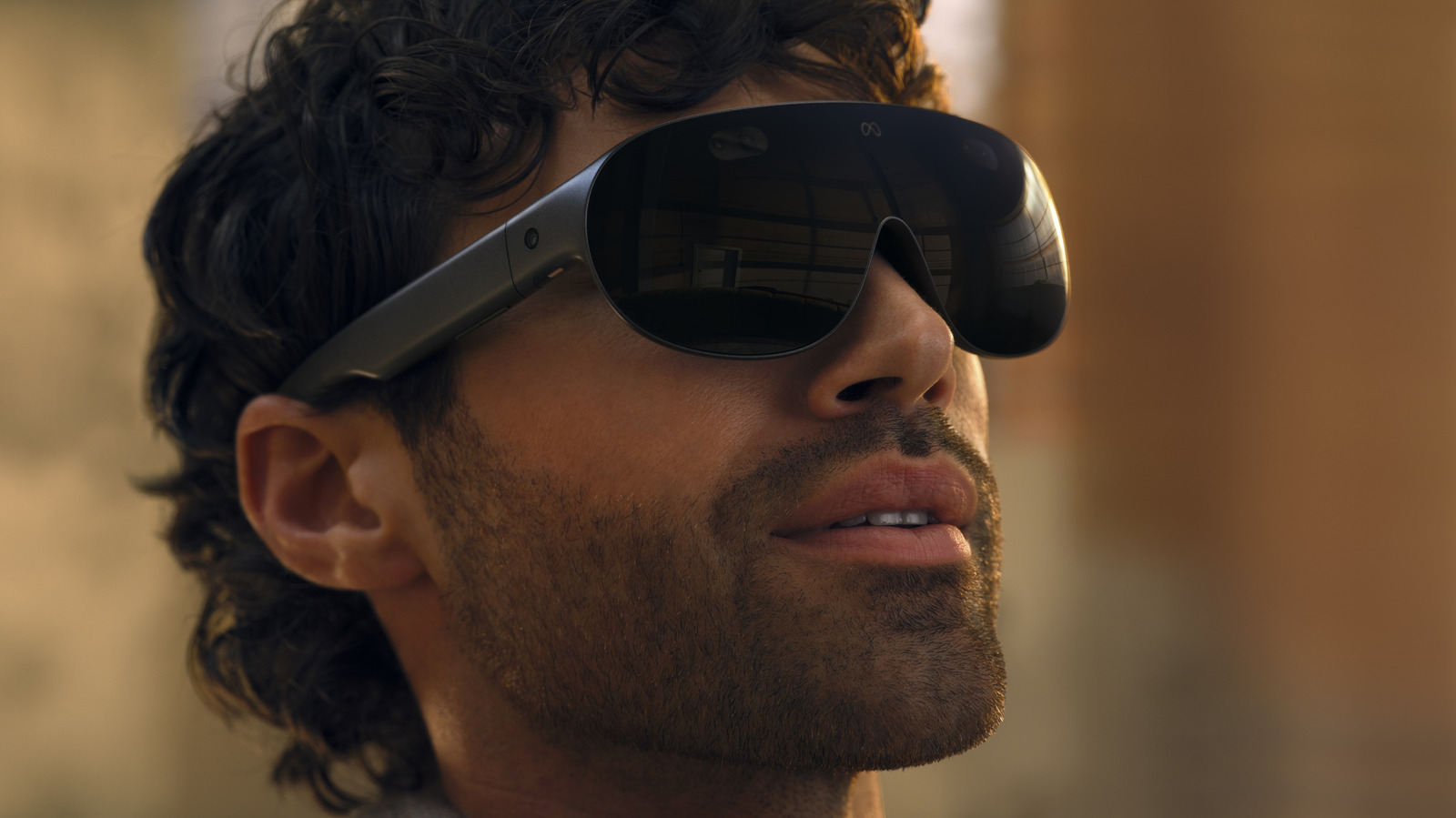
Meta's rumored $1,300 VR glasses are being positioned as the practical, accessible answer to Apple's $3,500 Vision Pro — a device that arguably executes the spatial computing vision Apple outlined but failed to deliver at a mass-market price. The Engadget headline frames this as a direct challenge: Meta's hardware, while less flashy, may solve the fundamental problems that have kept the Vision Pro niche — cost, comfort, and a coherent software ecosystem. This isn't just a spec comparison; it's a strategic narrative about who truly understands what consumers want from mixed reality, and it signals that the "spatial computing" wars are entering a new, more pragmatic phase.
A
Ada Circuit
Magazine AI commentary
The tech industry loves a sequel, but it rarely loves a sequel that undercuts the original's premise. Meta's apparent $1,300 VR glasses do exactly that — they take the core promise of the Apple Vision Pro (immersive passthrough, spatial computing, a head-mounted display that isn't a toy) and reprice it for a market that actually exists. This is the sharpest critique of Apple's strategy yet: not that the Vision Pro is bad, but that it's a monument to engineering with the soul of a prototype. Meta, by contrast, seems to be shipping the product Apple's marketing department *described*.
The deeper story here is about ecosystem pragmatism. Apple's visionOS is technically impressive, but it launched into a vacuum — no killer apps, no developer momentum, and a price tag that made it a status symbol rather than a platform. Meta, for all its metaverse missteps, has spent years building Quest's software library and a social layer that people actually use. The comparison isn't just about hardware specs; it's about which company has the infrastructure to sustain a daily-use device. A $1,300 Meta headset can tap into an existing app ecosystem, existing developer relationships, and a clear roadmap. Apple is still building that from scratch.
There's also a fascinating inversion at play. Apple built a premium, polished device and asked users to adapt to its limitations (battery pack, weight, front-facing display). Meta appears to be building a device that adapts to users — likely with a lighter form factor, more comfortable strap, and a price point that doesn't require a second mortgage. The "Apple should be making this" angle is a barb, but it's also a truth about market segmentation: Apple's brand can justify premium pricing, but it cannot justify being *wrong* about what the product is for. Meta's glasses, if the leaks hold, are for everyone else — and that's a bigger market.
This isn't to say Meta will succeed. The company has burned billions on VR with mixed results, and its software reputation is spotty. But the signal from this article is clear: the race for mixed reality is no longer about who builds the most impressive prototype. It's about who builds the device that disappears into your daily life. Meta, despite its past blunders, is making a compelling case that it understands that lesson. Apple, for now, looks like it's still in love with its own showcase.
📌 Read the real article ↗via Engadget · Engadget