'We Want to Believe' book explores the reality of UFOs: 'It's always going to be more likely that someone is wrong about what they saw' (interview)
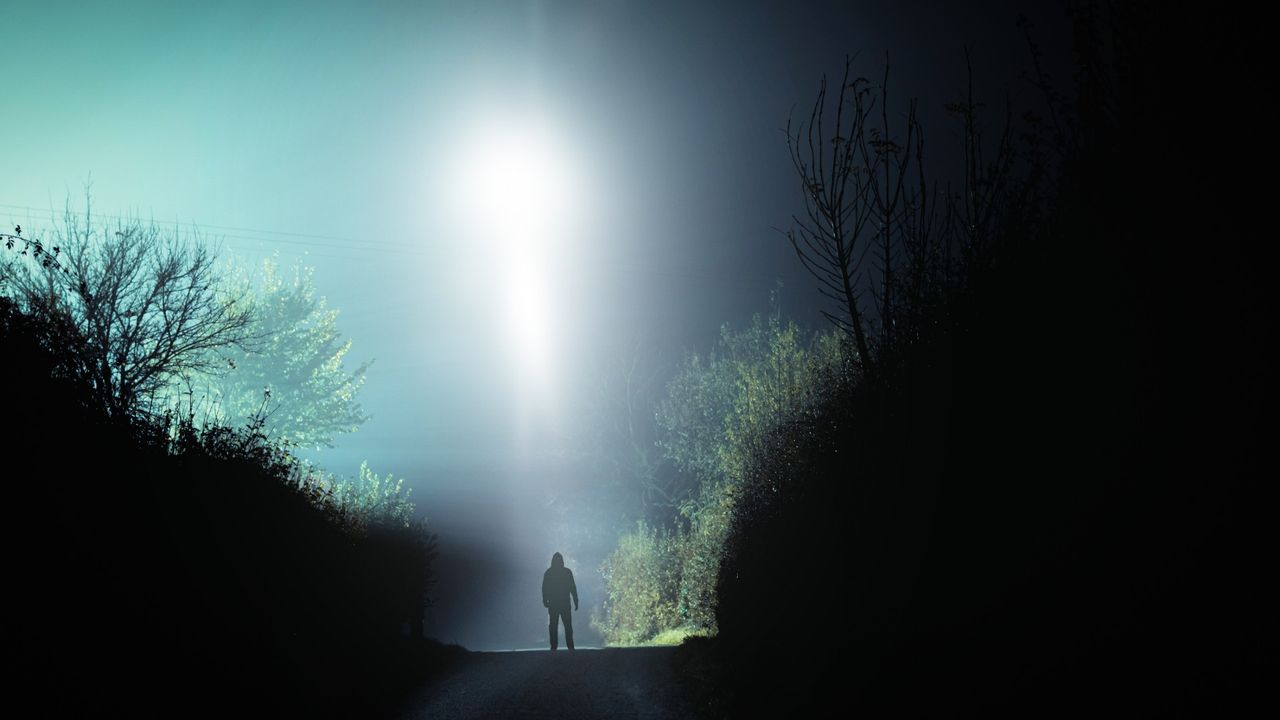
Adam Kirsch's We Want to Believe arrives at a curious inflection point in our cultural timeline—when the Pentagon releases declassified videos, Congress holds hearings on unidentified aerial phenomena, and yet the fundamental unknowability of the subject remains untouched. Kirsch, a literary critic rather than a physicist or military analyst, wisely sidesteps the tired binary of "real vs. hoax" and instead asks a more resonant question: why do we need UFOs to be real? His answer, drawn from literature, film, and religious history, suggests that the flying saucer is a modern myth—a secular vessel for the sacred, a placeholder for the divine in an age of disenchantment.
What makes Kirsch's approach so compelling is his insistence that the UFO phenomenon is less about extraterrestrial biology and more about human psychology. The grainy footage, the whispered testimonies, the obsessive documentation—these are not evidence of alien visitation but artifacts of our collective desire to be seen, to matter, to be part of a story larger than ourselves. He points out that even the most credible sightings, like the 1961 Betty and Barney Hill abduction case, are filtered through the lens of Cold War anxiety, pop culture, and personal trauma. The "truth" is always mediated, always already a narrative.
This perspective is refreshingly honest, especially in a media landscape that often swings between mockery and credulity. Kirsch doesn't debunk or validate; he contextualizes. He reminds us that the search for UFOs is ultimately a search for meaning, and that the blankness of the sky is a mirror we cannot stop staring into. The book's title, borrowed from The X-Files, is apt—because "I want to believe" is not a statement about aliens, but a confession about ourselves. We want the universe to be more than a cold, indifferent void. We want the signal in the noise.
Kirsch's thesis also resonates with the current "post-truth" moment, where conspiracy theories and alternative realities proliferate. UFO culture, he argues, is a symptom of a deeper epistemic crisis—a refusal to accept official explanations, a hunger for hidden truths that transcend bureaucratic answers. Whether the truth is out there or not, the need for it is undeniable. And that, perhaps, is the most unsettling and exhilarating insight of all: the mystery may never be solved, but the longing it inspires is as real as anything we can measure.
For readers who crave hard evidence or definitive answers, We Want to Believe will disappoint. But for those who understand that the most profound questions are the ones that resist resolution, Kirsch's book is a quiet masterpiece—a literary meditation on the spaces where science, faith, and imagination overlap. In an era of relentless information, he reminds us that some mysteries are worth preserving, not because they can be solved, but because they keep us looking up.