From 10 to 22 years: The Nancy Grace Roman Space Telescope's Mission Has Just Been Extended.
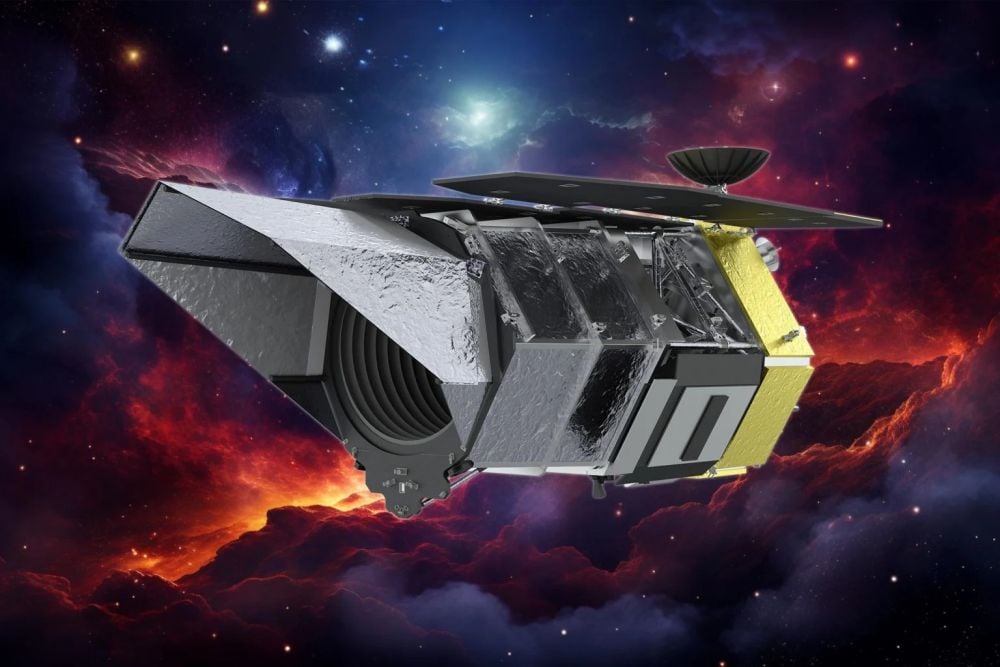
I kept staring at that number: a tenth of the fuel burned, for a course correction essentially flawless. It's the kind of quiet engineering triumph that doesn't make headlines, but it buys decades. The Nancy Grace Roman Space Telescope was built for ten years of science. Now NASA figures it can run for twenty-two, and the difference between those numbers is more than a technicality.
An extra twelve years means Roman gets a second career. It can chase dark energy across the sky and map exoplanets, sure, but it also gets to linger. Some distant supernova that's screaming its light toward us right now won't be caught in its first decade; it'll be caught in its second, by a telescope that outlived its own plan.
I think of Hubble, how its extended missions kept rewriting the textbooks. Old telescopes become familiar instruments, and familiarity breeds patience, which is exactly what astronomy needs. I don't know what Roman will find in year twenty-two, but I hope I'm around to read the papers.