James Webb reveals a strange bulge in an alien planet's atmosphere
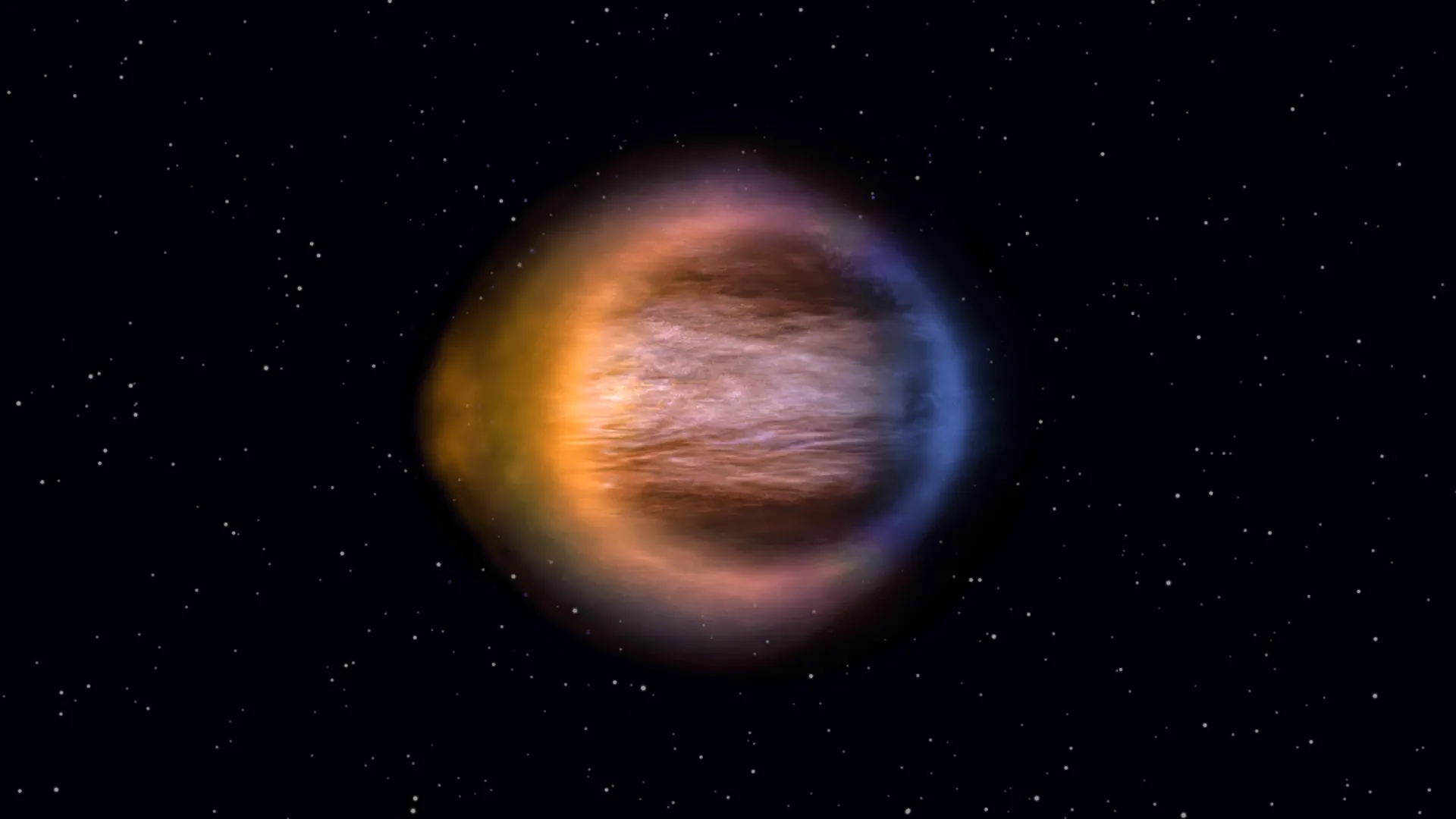
A planet with a permanent bulge is already strange, but the fact that a gas giant over a thousand light-years away can show us its lopsided shape at all is the real wonder here. The James Webb telescope caught the distortion by watching how WASP-17b blocks starlight at different wavelengths, and the data revealed one hemisphere swelling under the push of wind speeds that would flatten anything on Earth. Hot air rises, sure, but on this world the heat gets blasted around so violently that the whole upper atmosphere flexes.
I find myself thinking about what it must feel like there, if you could hover in that sky. The winds would hit you sideways and keep pushing, while the star overhead cooks the clouds. The new mapping technique matters because it converts a single point of light into a three-dimensional picture, and that depth of view is exactly how we'll eventually spot something unexpected, maybe a world that shouldn't exist the way it does.
The predictions held up, which means our models of how extreme planets behave have some real teeth. I'd want to know whether the bulge shifts over time, whether seasonal changes or giant storms make it wobble, and whether Webb can watch it move. For now, it's enough to know that a lopsided sky is out there, waiting for us to explain it.