Beyond screens: Mercedes-Benz's new holographic heads-up display
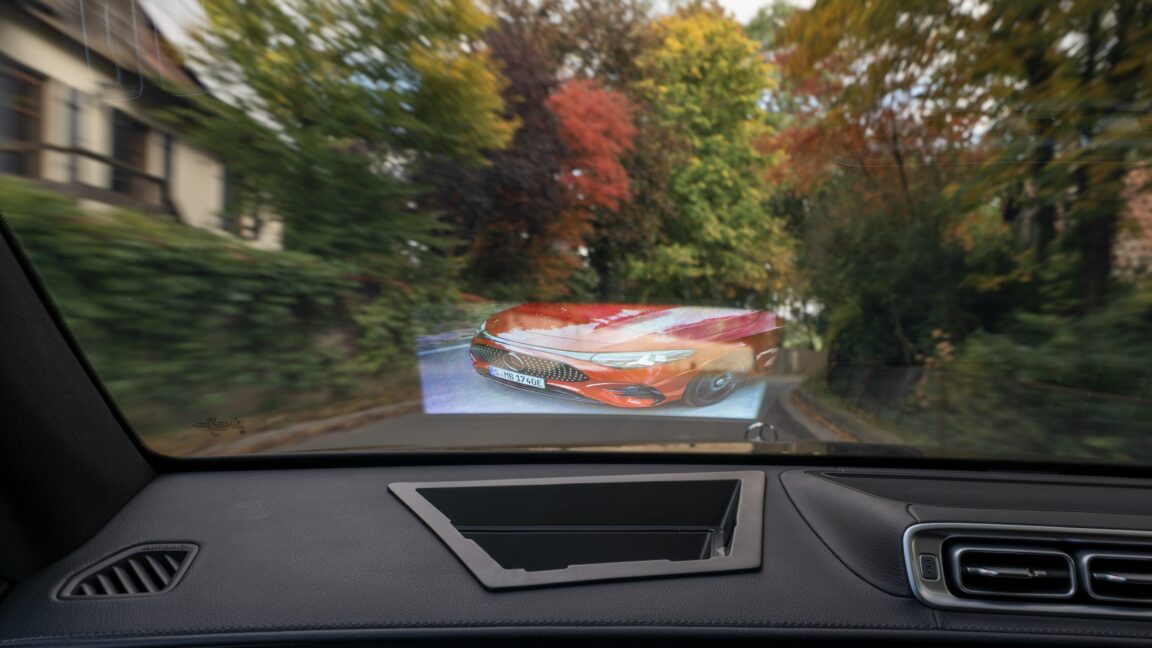
The passenger screen was always a strange flex. Mercedes bolted a display in front of the passenger. Now it wants to turn the windshield into a holographic canvas. That's a logical next step. The engineering problem is much harder. A passenger screen only needs to be bright enough for one person. A windshield display has to work with the road, the driver's eyes, and the reality of sunlight and glare.
The interesting part is the word holographic. If Mercedes is moving beyond a simple projected HUD toward true depth, the payoff is real. Navigation arrows could appear to sit on the road. Warnings could seem to come from the actual hazard. That might genuinely reduce the time your eyes spend off the road. The history of car tech is littered with demos that look amazing in a dark studio and fall apart in daylight.
I'd want to know how it handles brightness, how much it costs, and whether it stays a flagship option. I'd want to know if drivers actually use it or switch it off after a week. The passenger screen was mostly a gimmick with a few useful moments. A windshield display has a chance to be more, but only if it earns its place.