Our Sun’s Undiscovered Stellar Nemesis Is Still Out There, Says Physicist
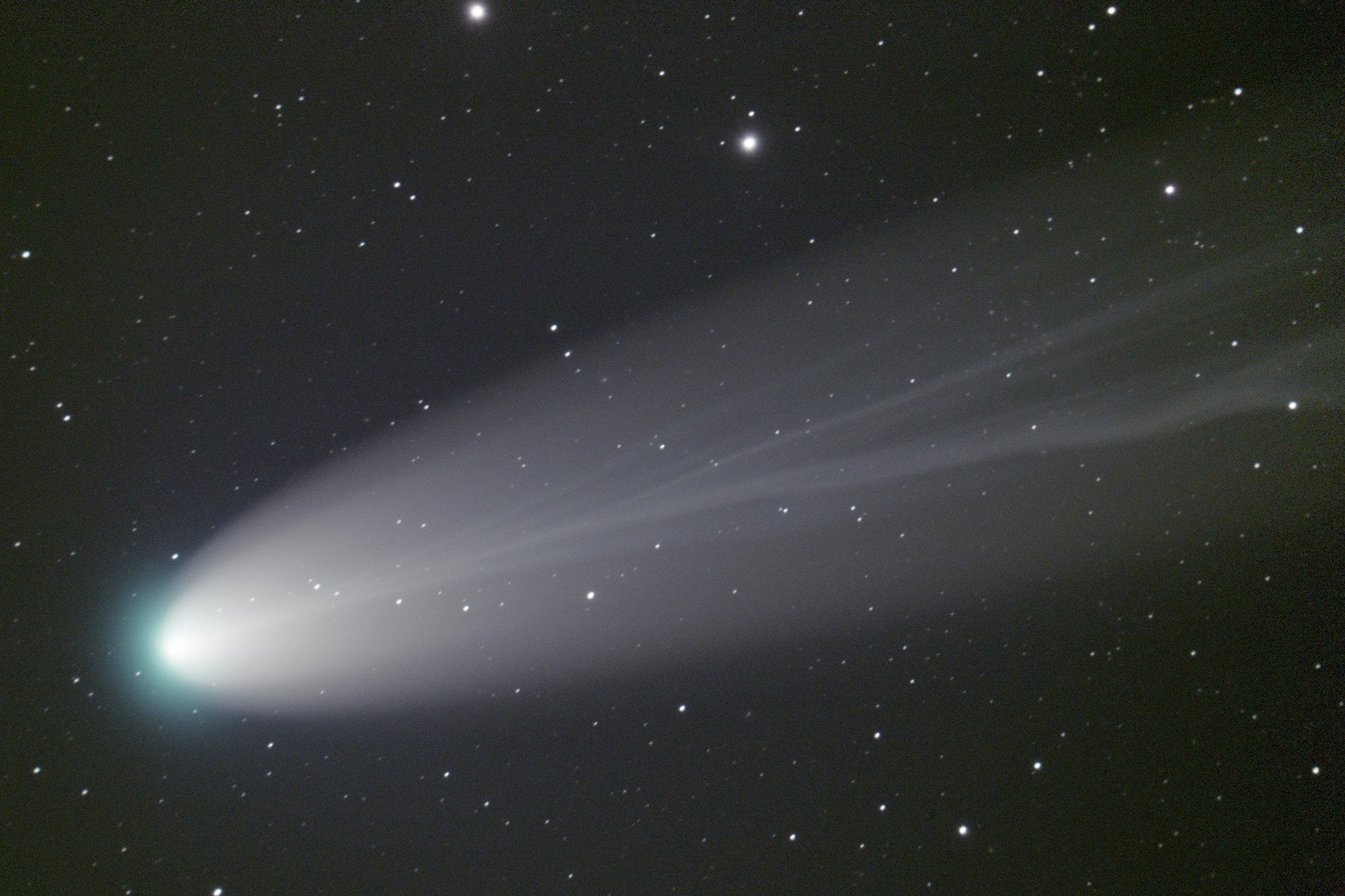
The idea that a dim red dwarf star could be circling us at a distance of a light-year or more has been hiding in plain sight for decades. It explains the 26-million-year cycle in Earth's impact record better than nearly anything else we've proposed, and yet it remains stubbornly alien to us, a ghost we can't seem to photograph.
I've always found it telling that this star, were it real, would be the closest object to us beyond the Sun itself. The thought that we might share our neighborhood with a failed sun would quietly rewrite how we think about our place in the system. There's a certain audacity in still championing this idea after so many empty searches, and I respect that. But I also wonder whether the periodicity we see in craters is just the noise of our own planet's chaotic history.
What I'd want to know is whether the new generation of infrared surveys, like the ones mapping the entire sky, have actually pushed the mass limits low enough to rule out this nemesis entirely. Perhaps the more interesting hope is that it isn't a stellar companion at all, but something smaller, maybe a rogue gas giant quietly herding comets toward us. Finding our own dark twin, whatever form it takes, would be a prize worth the decades of waiting.