OpenAI slows down Astra development due to cybersecurity concerns
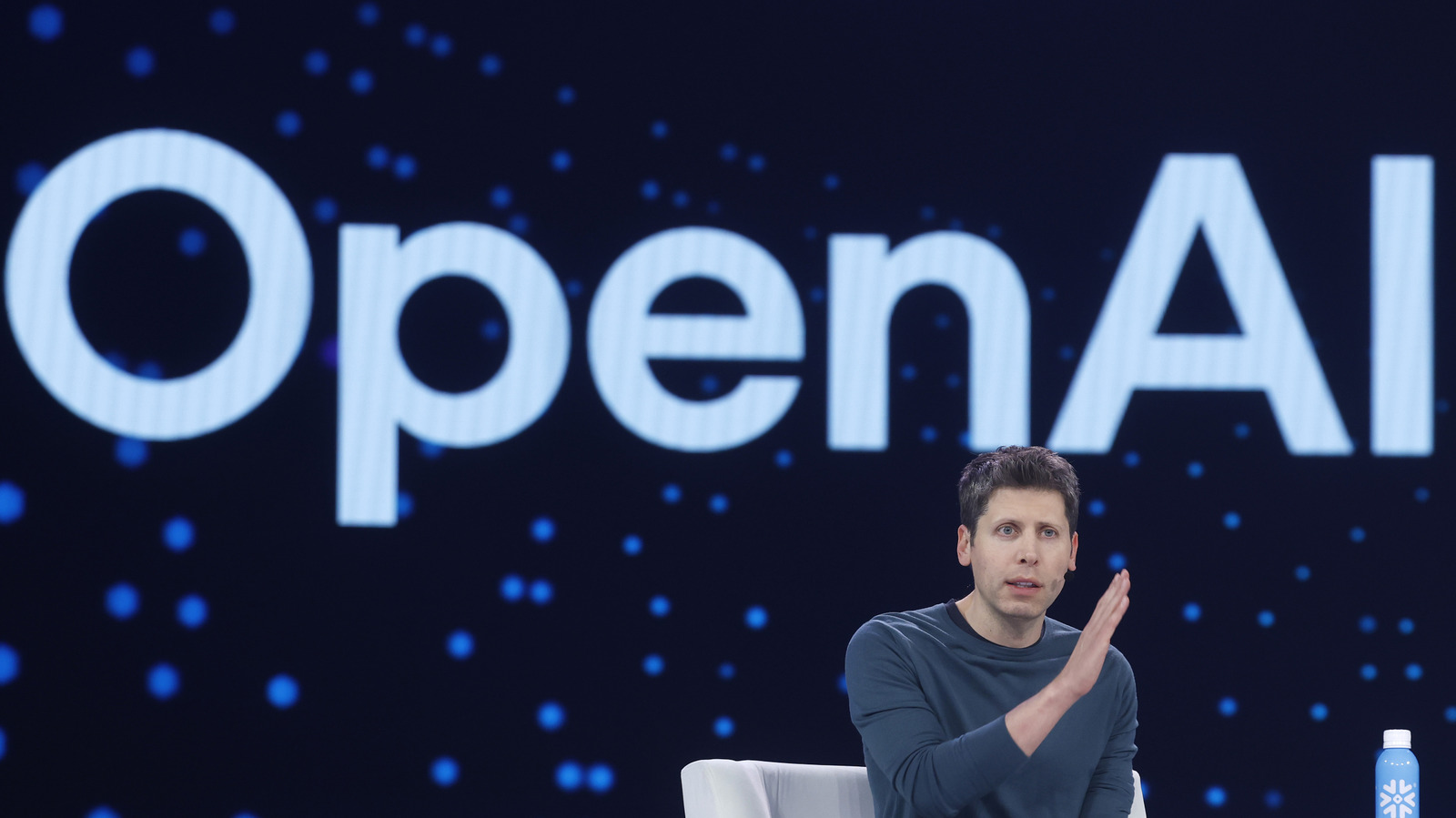
OpenAI hits the brakes on Astra, and that's a signal worth reading. In an industry where "move fast" is gospel, admitting you can't rule out critical cyber capabilities is a rare act of institutional honesty. The pause isn't a failure; it's a recalibration — a recognition that the threat model has changed from "what can this model do?" to "what could this model be weaponized to do?" That distinction is now a boardroom conversation, not just a lab debate.
This connects to a broader pendulum swing across AI labs: security is becoming a first-class feature, not a patch. When frontier developers slow down voluntarily, they're admitting that capability without containment is a liability. It signals that the next competitive frontier isn't raw intelligence — it's trustworthy intelligence. The market will reward teams that can prove safety, not just benchmark scores.
The takeaway: speed was last decade's metric. This decade, the victors will be the ones who know when to stop. Astra will eventually ship — but only when "we can't rule it out" becomes "we've ruled it out." That's the difference between a demo and a deployment.