Firefighters sound alarm as US faces critical staffing shortage: ‘We don’t have enough people’
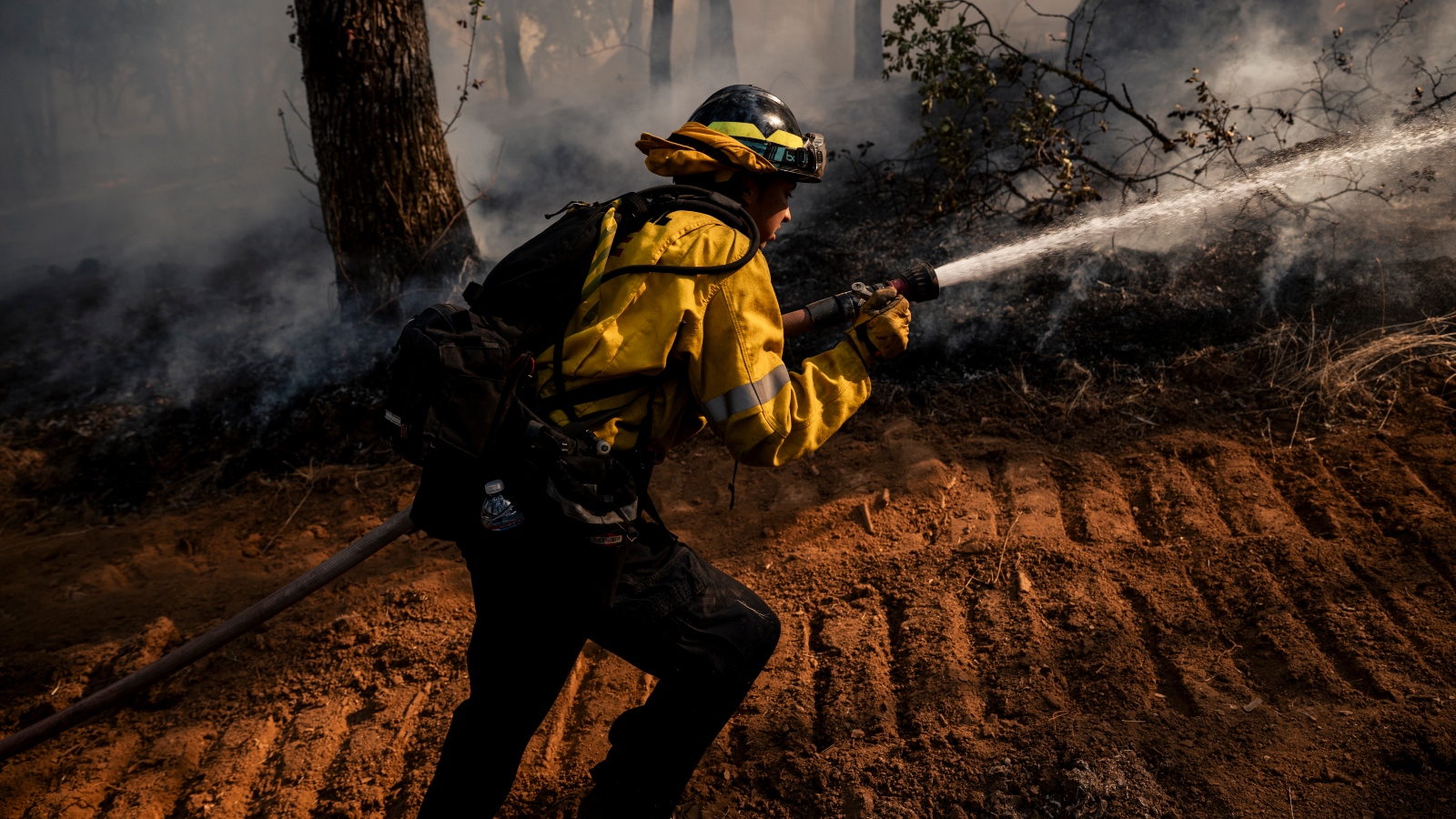
The firefighter staffing crisis is not a standalone administrative problem—it is a direct symptom of a rapidly destabilizing climate. As rising temperatures and prolonged droughts turn forests into tinderboxes, the demand for firefighting labor has exploded, yet the workforce has not kept pace. The article "Firefighters sound alarm as US faces critical staffing shortage: 'We don't have enough people'" underscores that this is not just about funding, but about the fundamental mismatch between a climate-altered fire regime and our institutional capacity to respond.
What makes this particularly alarming is the feedback loop at play. Overworked firefighters face higher rates of injury, PTSD, and burnout, leading to more resignations and retirements. That shrinks the workforce further, forcing remaining crews to work even longer shifts under more dangerous conditions. In the meantime, climate models predict that fire seasons will only stretch longer and become more erratic, meaning the pressure on this shrinking workforce will intensify. The article rightly highlights that this is a national security and public safety issue, not just a labor dispute.
Beyond recruitment numbers, we need to rethink our entire approach to wildfire management. Investing in prescribed burns, mechanical thinning, and community resilience can reduce the intensity of wildfires and the strain on firefighters. But these proactive measures also require trained personnel—so the shortage undermines both reactive and preventive strategies. The climate crisis demands a systemic response: better pay, year-round employment, mental health resources, and a fundamental shift toward living with fire rather than fighting it blindly.
This is a story about the human cost of climate inaction. Every unfilled position means a community left more exposed, a forest left more vulnerable, and a firefighter left to shoulder an impossible burden. As we push for emissions reductions and adaptation funding, we must also treat firefighter staffing as a core climate resilience investment. Because when the next megafire ignites, the question won't be about policy—it will be about whether there are enough boots on the ground.