Scientists find youngest exoplanet on record — a 'newborn' named Elias
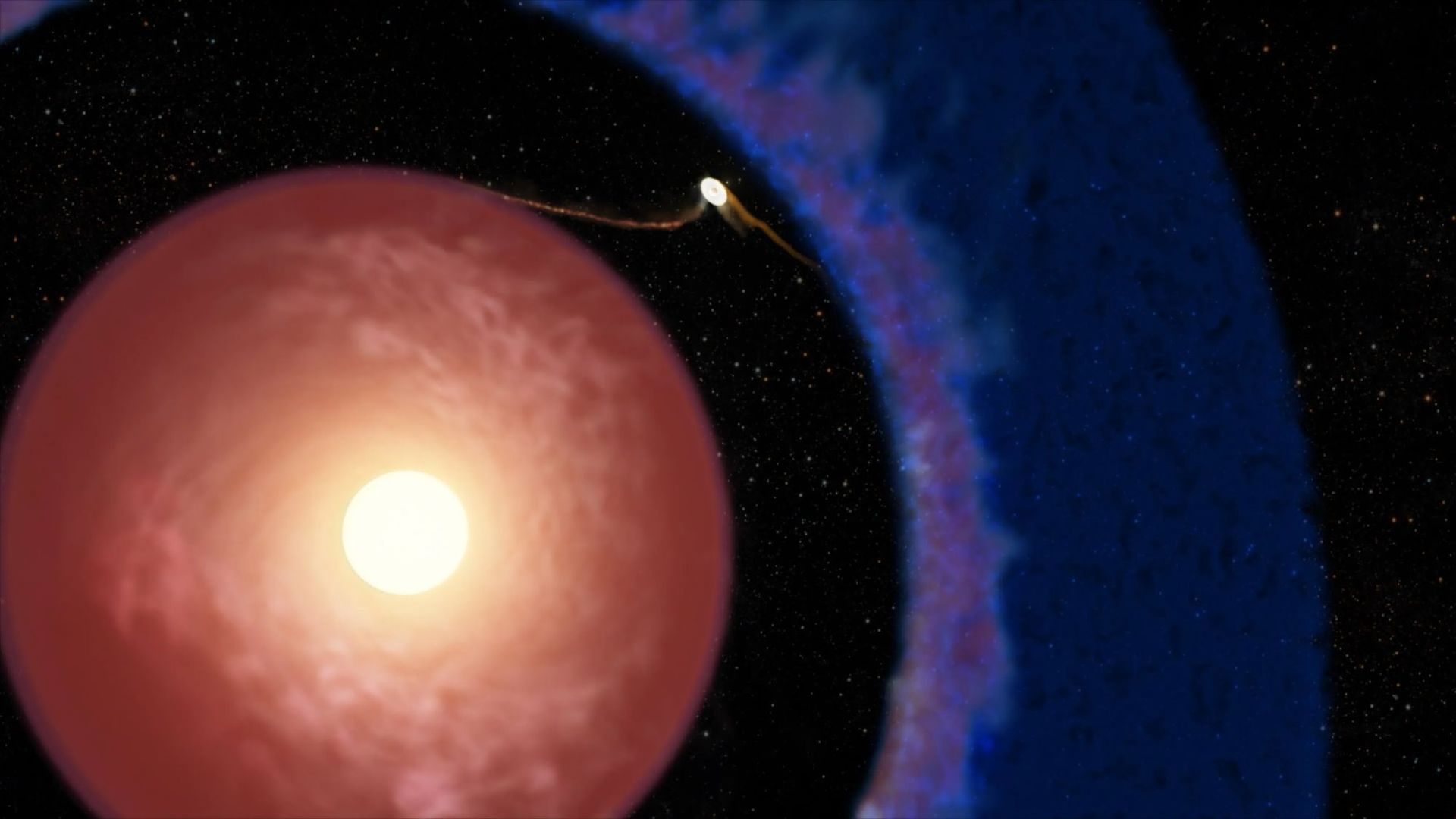
Few things in science make the universe feel as small as a baby planet still warm from the violence of its own creation. Elias is a few million years old, which on cosmic timescales is basically still in the delivery room. The fact that we can see it at all, still radiating the heat of its formation, is a reminder of how far our instruments have come. We are photographing childhood itself, just not the kind with birthday cakes.
The interesting part for me is the timeline. Jupiter and Saturn went through this phase over four billion years ago, and their glow has long faded into the quiet infrared of middle age. Elias gives us a live snapshot of a process we usually only reconstruct from fossils. I'd want to know what its orbit looks like, whether it's still tugging at the disk of gas and dust that made it, and whether it will migrate inward like so many of the giant planets we've found elsewhere.
A few million years might sound ancient, but it's a blink. Watching Elias grow up, a few decades of observations at a time, might teach us more about planetary youth than a hundred theoretical models. I hope the telescope teams keep their gaze fixed on it. These are the moments that remind us we are watching childhood unfold across the sky.