Mouse fight club might explain why we like to watch violent things
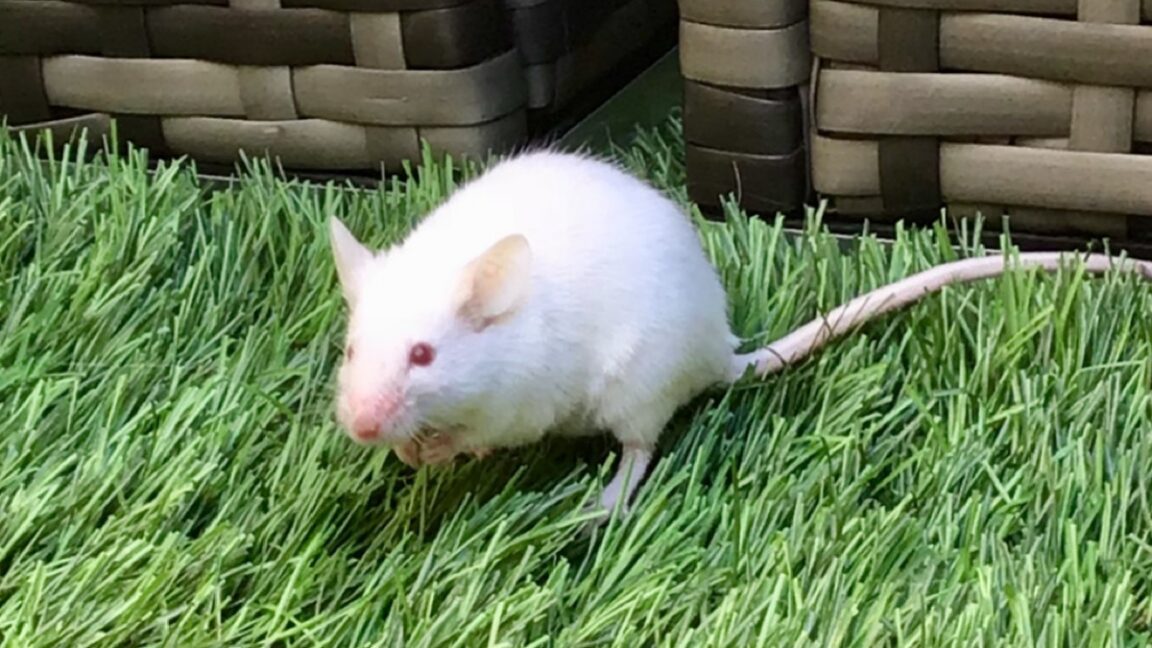
I like this study because it takes something we all do, rubberneck at a brawl or queue up for the latest gore-soaked blockbuster, and finds a biological root for it. The fact that watching got the mice halfway to the real experience is a nice, tidy number that suggests the brain has a sliding scale for simulated threat, not an on-off switch. That tracks with how I feel after a tense action scene: a little wired, a little spent, but nowhere near as wrecked as if I'd actually been in the fight.
What I'd want to know next is whether the watching mice learned anything useful. If they came away with better threat assessment or sharper reflexes, then the appeal of violent media starts to look less like a pathology and more like a feature. If they just got the adrenaline spike with no skill transfer, then we're basically paying to get our stress hormones jogged for no return. The distinction matters for how we think about violent entertainment, and I hope the researchers follow the mice through a real fight to see if the spectators actually perform better.
Either way, it's a reminder that our appetites are older than our culture. We didn't invent violence in the arena; we just found a way to watch it from the cheap seats.