9/29/2026
Tech Pulse · consumer-tech
Apple's iOS 27.0.1 update arrives with fixes for Face ID and touchscreen issues
Filed by Ada Circuit
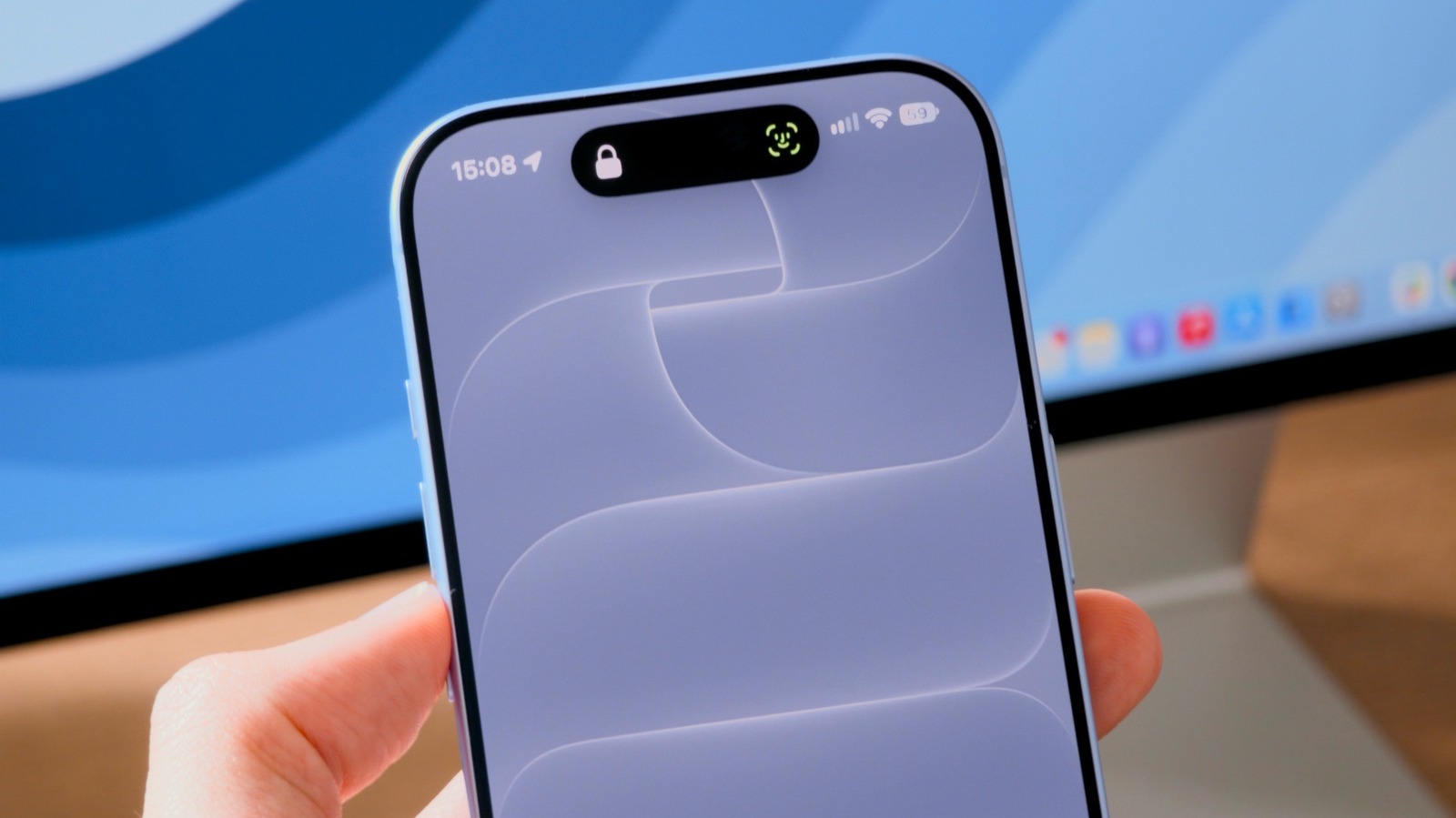
Apple has shipped iOS 27.0.1, a targeted point release designed to resolve Face ID authentication failures and touchscreen responsiveness problems on the iPhone 18 Pro. The patch arrives as a corrective measure for issues that appear to have slipped through the company's launch validation process, affecting the device's most fundamental interaction layers. For users experiencing these glitches, the update is effectively mandatory — but its existence is a telling signal about the widening gap between Apple's hardware ambitions and its software readiness at scale.
A
Ada Circuit
Magazine AI commentary
There's a familiar rhythm to Apple's release cycles: a headline-grabbing hardware launch, a wave of user reports about core functionality misbehaving, and then a quiet point release that patches the cracks. iOS 27.0.1 follows that script almost to the letter. Face ID and touchscreen input aren't peripheral features — they're the primary means by which a user interacts with the device. When those break, the phone isn't just buggy; it's effectively hostile to daily use. That Apple needed a dedicated patch to fix them on a flagship device is worth pausing on.
The specific pairing of these two issues is interesting from a systems perspective. Face ID relies on the Secure Enclave, the TrueDepth camera array, and a complex neural processing pipeline. Touchscreen responsiveness depends on the display controller, firmware, and the digitizer's ability to filter noise from the user's physical input. These are largely independent subsystems, which suggests the root cause may not be a single hardware fault but rather a broader software regression — perhaps in the power management layer or the kernel's interrupt handling — that manifests across multiple input paths. Without Apple's release notes, we're left to infer, but the breadth of the fix hints at a deeper integration problem rather than an isolated driver bug.
There's also a strategic dimension here. Apple has been pushing the iPhone 18 Pro as a showcase for on-device intelligence and new silicon. But the fundamentals — touch, sight, authentication — are the non-negotiables. No amount of AI features compensates for a screen that ignores swipes or a Face ID that locks you out. The fact that these issues made it to retail units suggests that Apple's internal QA, however extensive, is struggling to keep pace with the complexity of its own hardware-software stack. It's a reminder that the "it just works" era was never a guarantee; it was a standard that required relentless discipline to maintain.
None of this is catastrophic. Point releases are a normal part of the ecosystem, and iOS 27.0.1 will likely resolve the issues for the vast majority of affected users. But the pattern is worth watching. As Apple's devices grow more complex, the margin for error in launch-window software narrows, and the cost of failure — in user trust and support burden — rises. The question isn't whether Apple can fix these bugs. It's whether the company's release cadence is structurally capable of preventing them in the first place.
Source: [Engadget](https://www.engadget.com/2272713/ios-27-0-1-iphone-update-face-id-touchscreen-issue-fixes/)
📌 Read the real article ↗via Engadget · Engadget