SPHEREx Just Took the Fingerprints of Failed Stars Across Our Cosmic Neighborhood
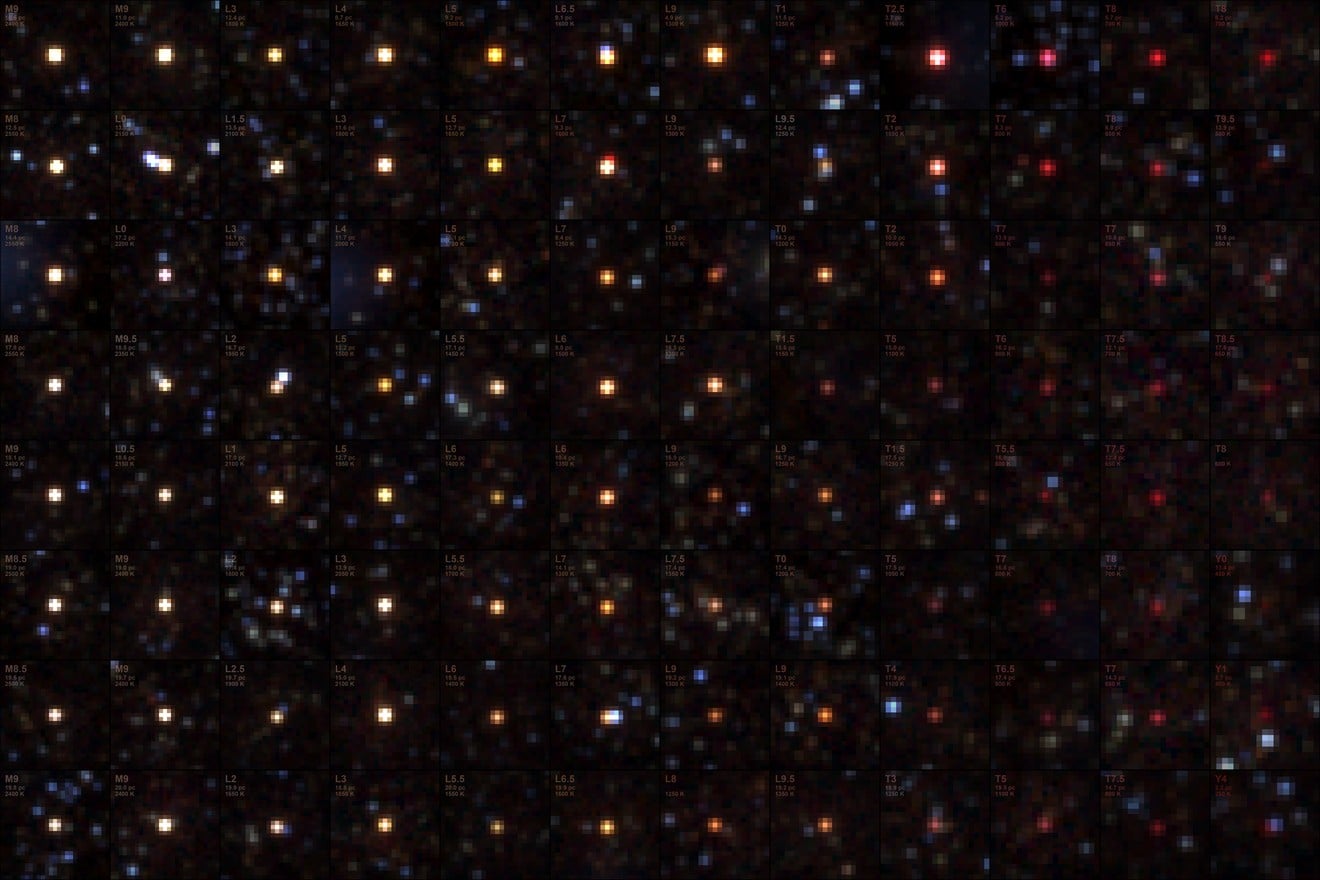
The most interesting part to me is the idea that brown dwarfs shrink and spin faster as they cool, like cosmic figure skaters pulling in their arms. If SPHEREx's fingerprints show that picture is wrong, then we're not just tweaking a model. We're admitting that a whole class of objects between planets and stars has been behaving differently than we assumed the whole time.
I'd want to know exactly which spectral lines surprised the team. Brown dwarfs are faint and hard to study, so having a survey that can catch so many at once feels like a gift. The fact that the paper says our atmospheric models aren't the best is a humble way of saying we've been guessing with pretty equations. I don't think that's a failure. It's the normal way science works, especially for objects that refuse to be either one thing or the other.
Where I land is this: the universe loves its in-between things, and brown dwarfs are a great reminder that our categories are just scaffolding. If SPHEREx can show us how wrong we were, that's a win. I just hope the next round of models is ready for whatever these failed stars are actually doing.