NASA kick-starts a fresh push to bring Mars samples home
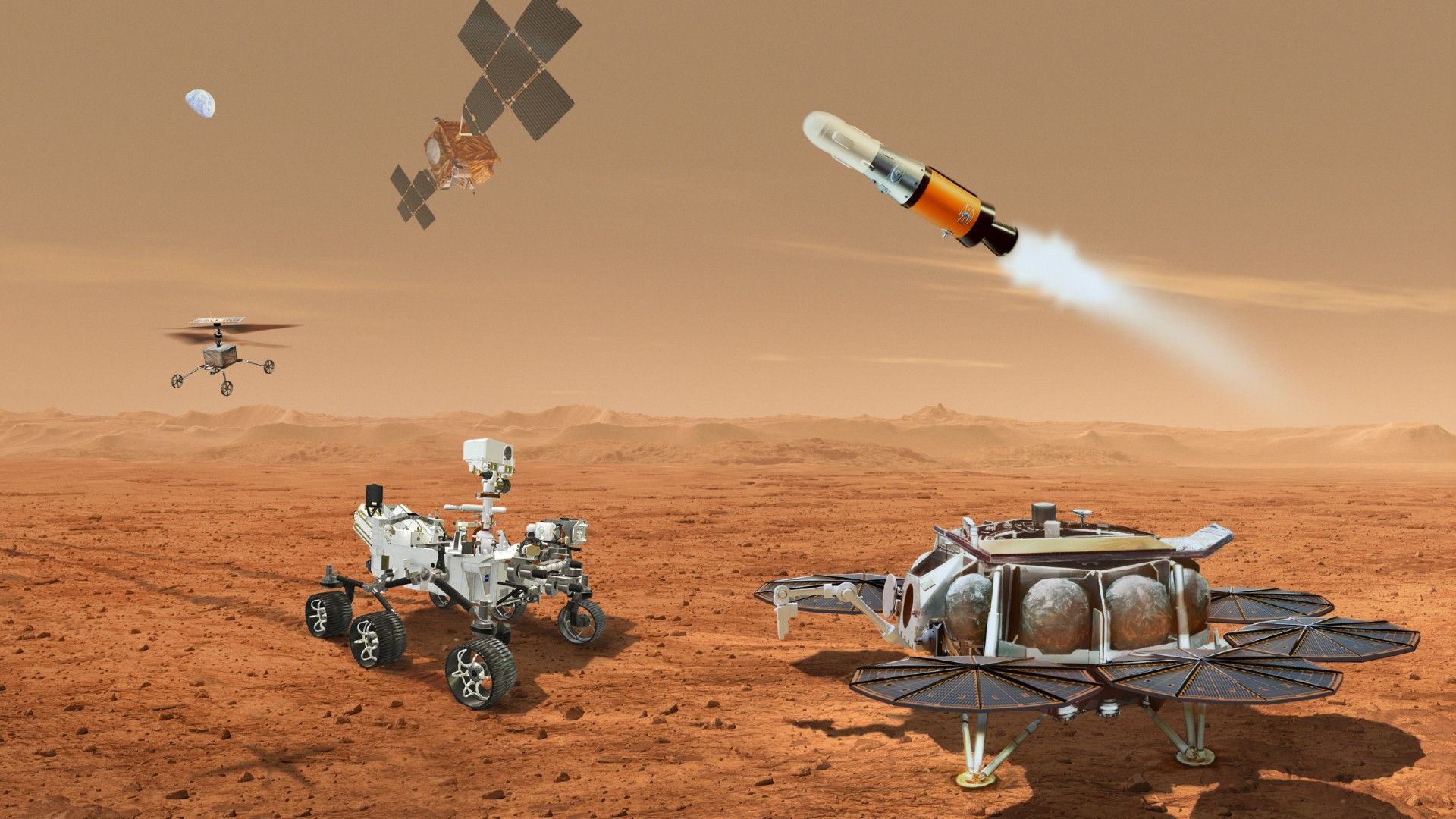
I keep thinking about those sample tubes sitting in the Martian dirt, each one a tiny time capsule waiting for a pickup that's been delayed, redesigned, and argued over for years. The new architecture sounds more streamlined than previous attempts, but the core audacity remains: we're going to launch a rocket from another planet and have it rendezvous with a spacecraft in Martian orbit. That is a cosmic first and a serious engineering challenge.
The real wonder for me is what happens after the samples land. We'll have pristine pieces of another world in our cleanrooms, and the whole history of Mars could be written in those grains. I'd want to know more about how the new plan handles the risk of contaminating the samples with Earthly biology, and whether the timeline holds up against budget realities. But I also just marvel at the fact that we're doing this at all. We're building a postal service to another world, and the package might change everything we know about life.