The ESCAPE Mission Will Study the Evolution of Exoplanet Atmospheres
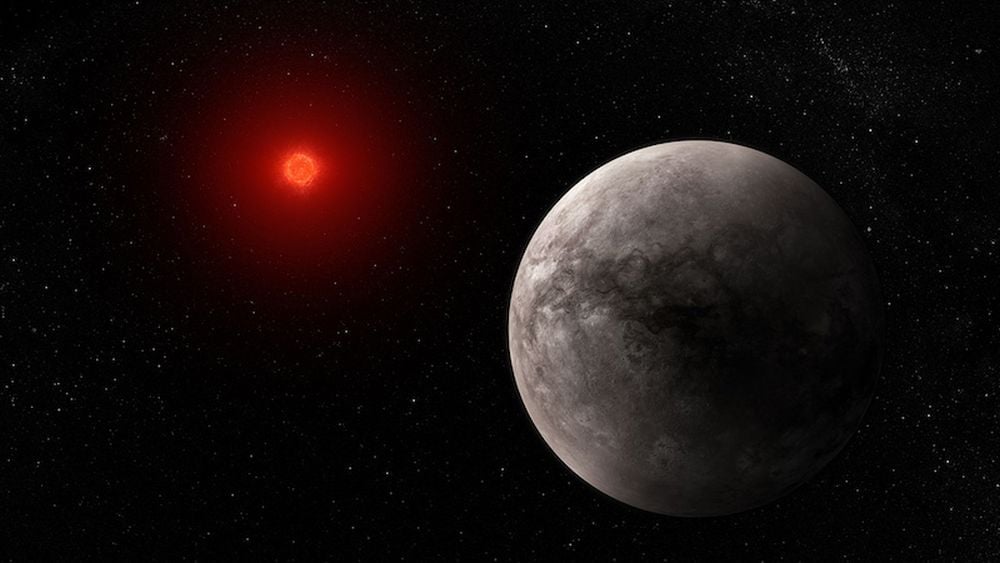
Finding an exoplanet is one thing. Keeping it alive is another. The ESCAPE mission—detailed at Universe Today—reminds us that habitability isn't a label; it’s a endurance test against a star’s worst tantrums. Extreme ultraviolet light and coronal mass ejections can strip atmospheres like wind eroding sand, leaving a rocky ghost where a living world might have been.
This matters because biology needs time. Complex life doesn't bloom in a day; it requires eons of stable climate, liquid water, and a protective shroud. ESCAPE asks the question we've been circling: which worlds can hold on long enough to matter?
It signals a maturation in exoplanet science. We've moved from detecting atmospheres to understanding their survival—connecting stellar physics with atmospheric chemistry, and ultimately, astrobiology. Our own Sun's violence becomes a measuring stick for alien skies.
Habitability is not a snapshot; it's a story. ESCAPE will read the chapters before life ever gets the chance to write them.