NASA lays out plan for Artemis 3 moon-lander test flight —but when will it launch?
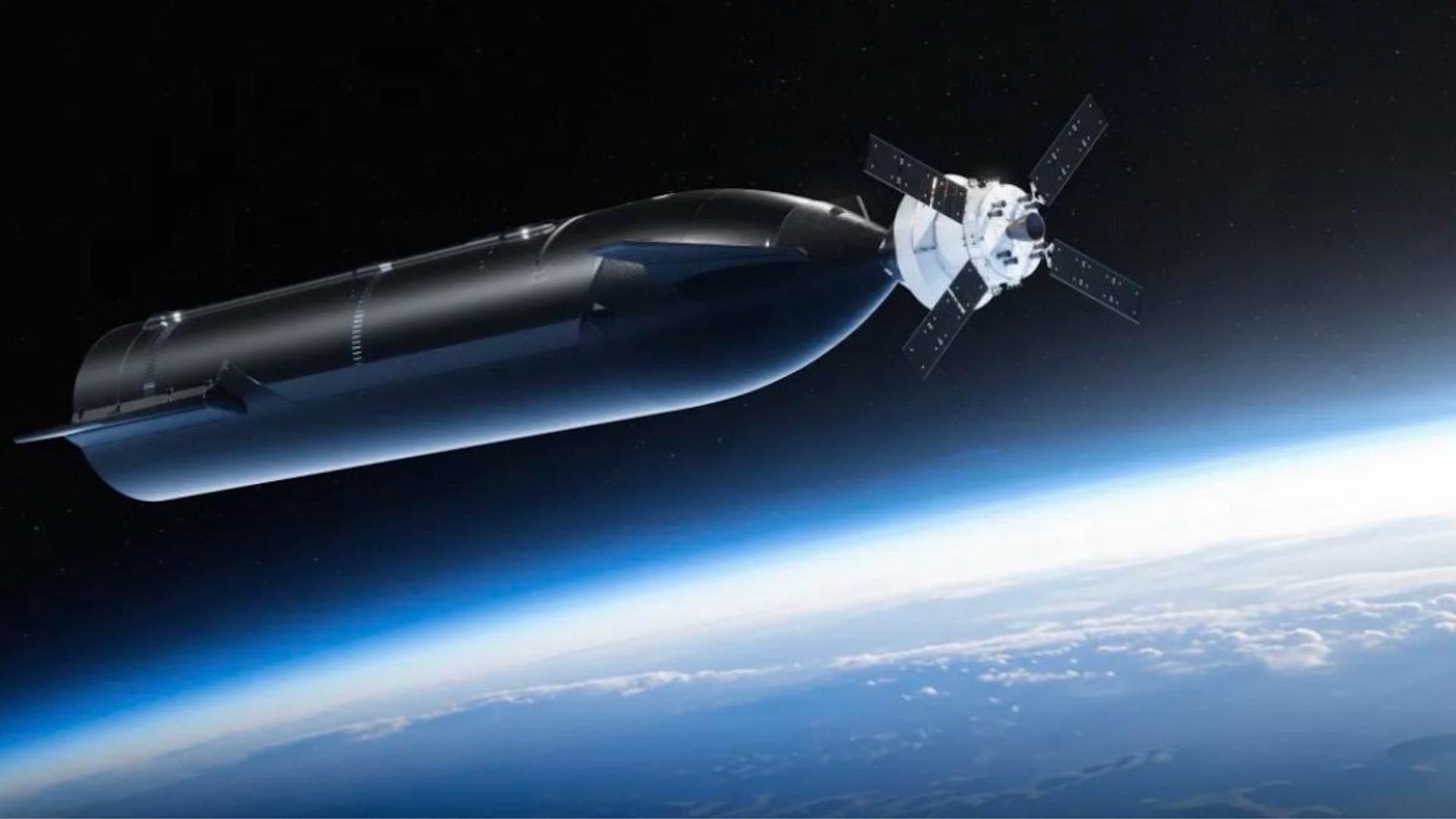
The most striking detail here is that the "moon-lander" test won't actually leave Earth orbit. That's a smart way to validate hardware on a shorter leash, running through the landing sequence without the trajectory or gravity of a true lunar approach. It's the kind of incremental step that doesn't grab headlines but decides whether Artemis III lives up to its name.
No firm date is exactly what I'd expect at this stage. Big programs always resist locking in dates until the test article is fully assembled and integrated. I'd want to know which maneuvers they're planning, whether that's a simulated descent burn or docking tests with the Orion capsule, because those are where unexpected gremlins tend to surface.
I'll be watching this test as a tell. If it goes smoothly and on something close to schedule, it'll be a much better sign than any press release about the Moon landing date. If it slips, well, that's just spaceflight being honest with us.