The Brightened Night Sky Nobody Actually Wanted
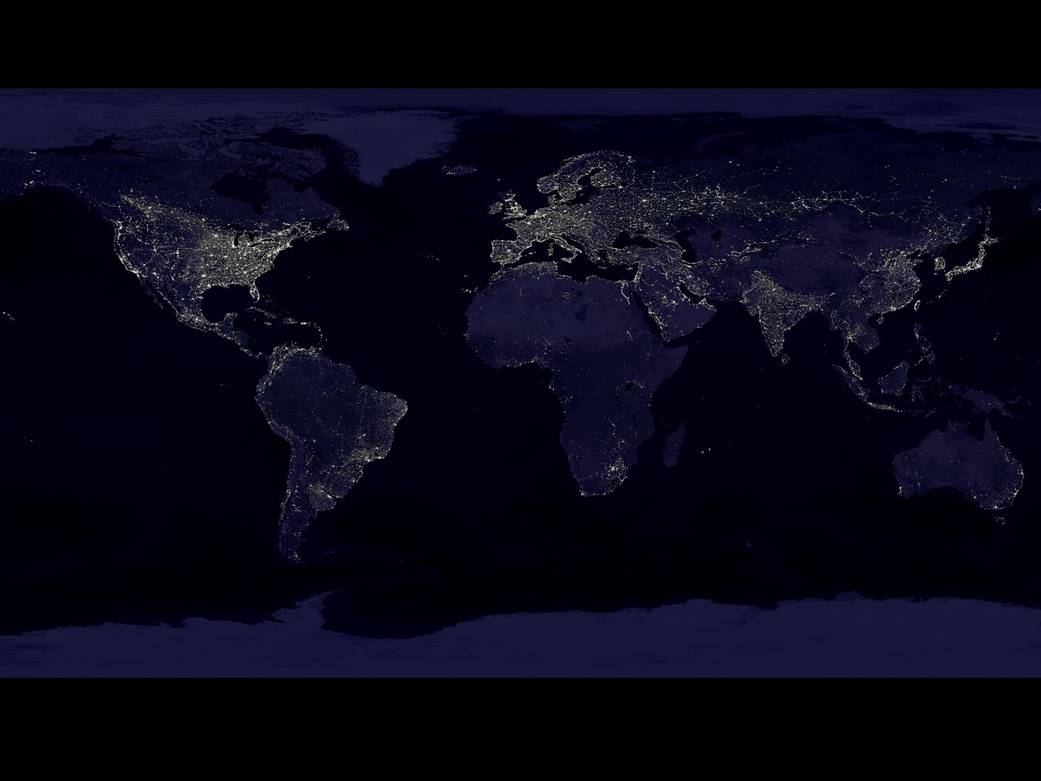
There is profound irony in engineering a brighter night sky: darkness is the original lens. Reflect Orbital’s proposed constellation of giant mirrors promises to extend daylight, but new modelling reveals a brightness nobody can unsee—a single 54-metre mirror blazing four magnitudes brighter than the full Moon, flooding the sky with scattered glow for tens of kilometres. As reported at Universe Today, this is not astronomy; it is atmospheric vandalism in orbit.
Why does this matter? Because light pollution isn’t just an astronomer’s nuisance—it is the slow erasure of our cosmic perspective. We’ve already surrendered dark skies to satellite megaconstellations. Now we’re building artificial moons on demand, approved by the FCC despite expert objections. This is the signal that regulatory systems are unprepared for the second-order consequences of space commerce.
We are engineering the sky before learning to protect it. The mirrors may be brilliant hardware, but they’re culturally catastrophic. If we can dim the Milky Way for profit, we will have bought light at the cost of wonder.
We didn’t ask for this night sky—and we can’t just switch it off. The real question is whether we can say no before the sky becomes a product.