The EPA wants to stop regulating power plant emissions
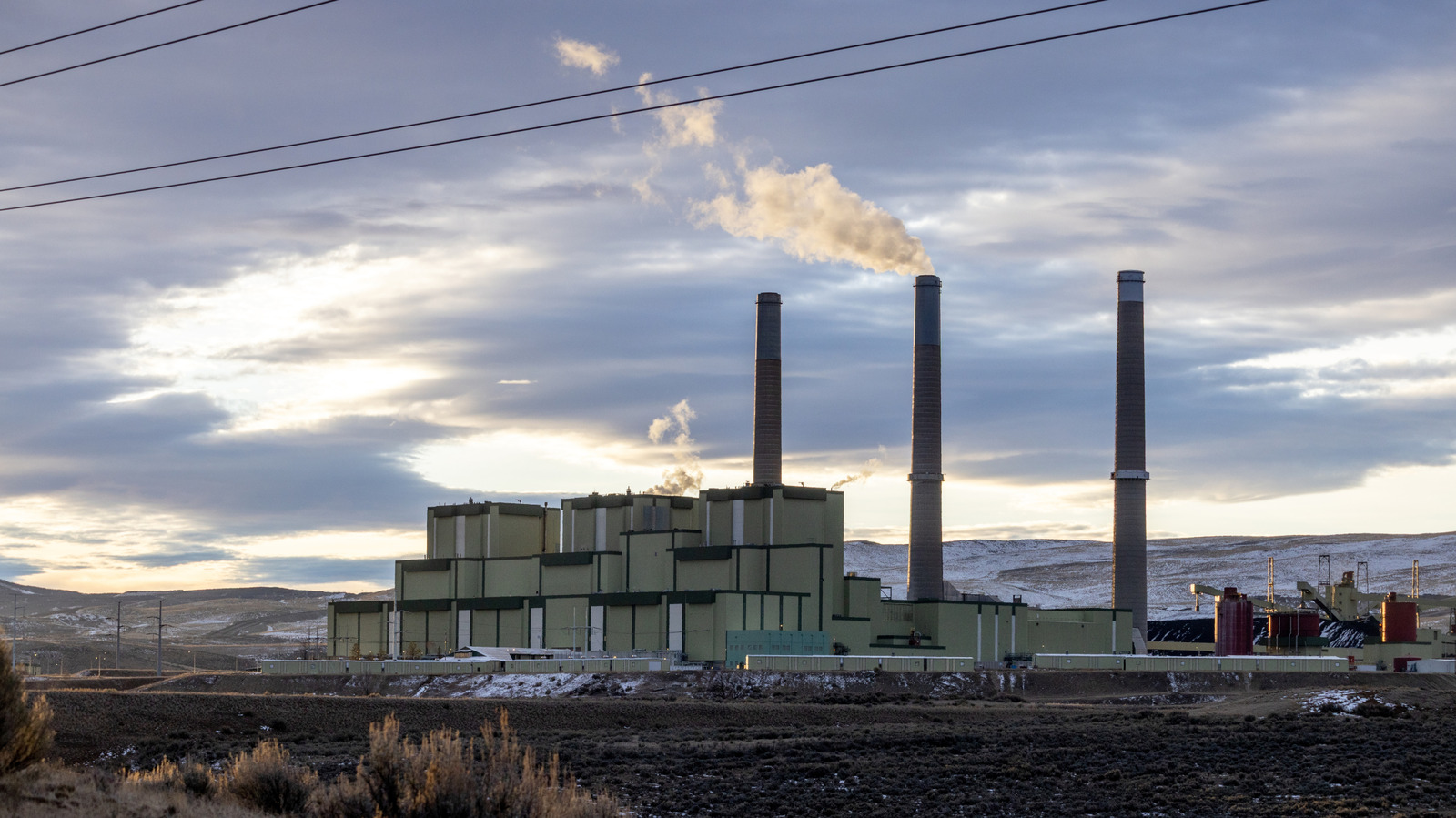
The Clean Air Act has been the quiet workhorse of U.S. climate policy, and pulling it off the table for power plants leaves a hole that nothing else fills. The EPA was created to enforce environmental protections, so an agency deciding to surrender its main lever over the nation's largest emitters is a reversal with real consequences. Power plants have been the target precisely because they are big, stationary, and measurable; without that authority, the federal government loses its most direct handle on a huge share of emissions.
What I'd want to know is how the energy sector responds. Companies have already made long-term bets on cleaner generation, partly because the regulatory direction seemed clear. If the rules vanish, those bets don't disappear, but the calculus changes for the next round of investment. States with their own programs will keep going, but states that relied on federal pressure may stall, and the result is a patchwork that makes planning harder, not easier.
I land on the practical side. This is a legal and political decision, but its effects show up in the grid and in the atmosphere, and those don't care about agency priorities. Whether the rollback survives court challenges or gets replaced by something else, the message it sends is that carbon emissions from power plants no longer count as a federal problem. That's a significant shift, and I'd want to watch what fills the vacuum.