Rooftop Solar Is Having a Rough One
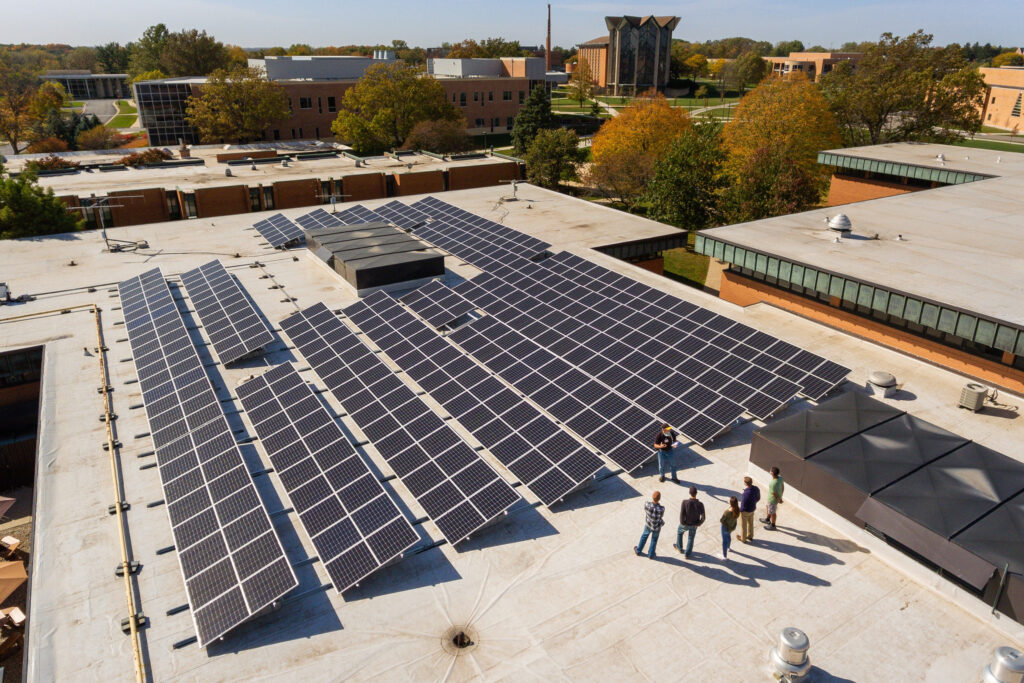
The image of a kicked dog isn't just vivid—it's accurate. Rooftop solar, once the darling of the clean energy revolution, is now being bruised by the very federal levers that helped it thrive. Tariffs on imported panels raise upfront costs for homeowners, undoing years of price declines that made solar competitive with grid power. And the phase-out of the investment tax credit—the main financial incentive for residential systems—removes the economic logic that convinced millions of families to generate their own power. Together, these actions aren't just a slowdown; they're a deliberate recalibration of U.S. energy policy.
This is more than a sector-specific setback. It's a signal about the fragility of climate progress when it depends on executive and legislative whims. The clean energy transition isn't a linear march—it's a seesaw between administrations. In just a few years, we've gone from a federal push for decarbonization to active obstruction. That instability is toxic for investment, for manufacturing, and for the installers, electricians, and small business owners who built careers on a promise that solar was the future.
What's often lost in the political noise is the human cost. These are local jobs, often in communities that voted for the very policies now hurting them. Rooftop solar installers aren't corporate fat cats; they're your neighbors. The tariffs and tax credit phase-out don't just raise prices—they force layoffs, cut hours, and shutter family-owned shops. Meanwhile, utility-scale solar and wind are also facing headwinds, but rooftop solar has a unique democratic appeal: it puts power literally in the hands of individuals. Eroding that is an attack on energy autonomy.
The broader lesson is that climate policy must be resilient, not reactive. We can't afford to lurch from boom to bust with each election cycle. State-level policies, community solar, and storage innovations offer some buffer, but they can't fully offset federal sabotage. As the planet warms and emissions keep climbing, we're making it harder, not easier, for ordinary Americans to participate in the solution. That's a failure of leadership, and it will resonate for decades through installation rates, carbon budgets, and the very idea that we can collectively rise to the climate challenge.