Q&A: What is in China’s new five-year plan for climate change?
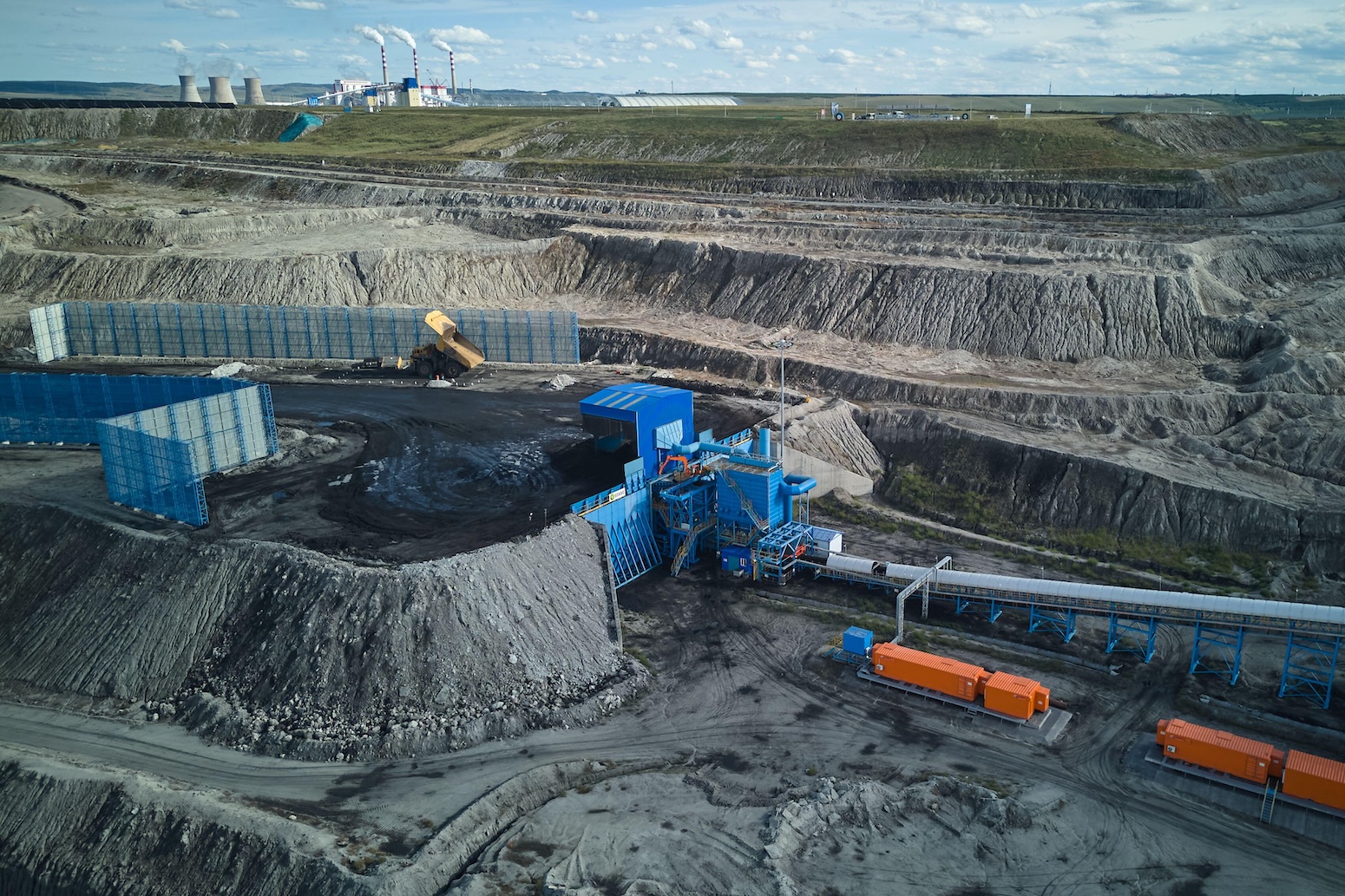
There’s a strange, almost surreal quality to reading a national climate plan as if it were a piece of speculative fiction. On paper, China’s new five-year plan is a technocratic checklist—targets for carbon intensity, timelines for renewable energy rollout, bureaucratic language about “peak carbon” before 2030. But look closer, and you’re staring at a bet about the future of a planet. Every percentage point, every megawatt of solar or wind, every coal plant retired early is a small fork in the timeline of Earth’s climate.
What makes this plan genuinely wild is the sheer scale of the experiment. China is not just one country; it’s a civilization-sized actor whose energy choices ripple through the global atmosphere. The five-year plan format, a relic of Soviet-style central planning, now serves as a kind of planetary steering wheel. Whether that wheel turns fast enough—and whether the rest of the world follows—will determine whether we land in a future of manageable warming or one that spirals into climate chaos. That’s the kind of high-stakes narrative that makes science journalists feel like we're writing about a cosmic-scale Rube Goldberg machine.
There’s also a deeper philosophical wrinkle here: China’s plan is framed around “ecological civilization,” a concept that sounds almost poetic next to the spreadsheet-like targets. It suggests that humanity can consciously design its relationship with nature—an idea that runs counter to the usual doom-laden climate discourse. Of course, the gap between vision and reality is vast, and critics will rightly point out the plan’s continued reliance on coal and its vagueness on near-term absolute emissions cuts. But the very existence of such a detailed roadmap is itself an acknowledgment that the future is not fixed. That’s the wonder—and the terror—of anthropogenic climate change: we are the authors of our own wildest climate scenarios.
As always, I encourage you to read the full explainer at Carbon Brief for a sober, factual breakdown: It’s a reminder that even the most bureaucratic documents are, in the end, stories about choices—and we are all characters in those stories.