All the Gaps We See in Protoplanetary Disks Aren't From Planets
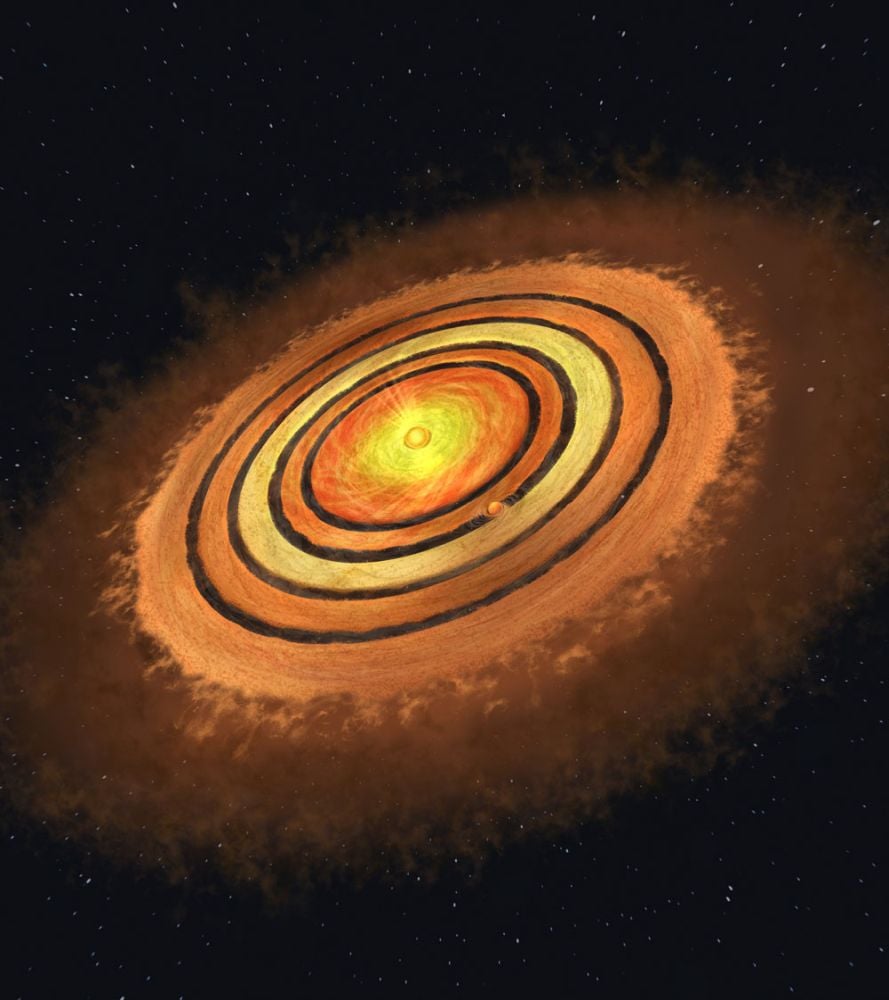
I'll admit, I loved the simple version of this story. Giant baby planets sweeping through their nursery and carving out clean lanes in the gas and dust, like a Zamboni at a skating rink. It's such an intuitive picture, and ALMA gave it to us in stunning detail. But of course nature rarely cooperates with tidy narratives.
The new research suggests a bunch of those gaps could be caused by things like turbulence, dust instabilities, or even the disk's own chemistry. That leaves us with a universe where planets are a little harder to find and a lot more interesting to look for. It also means the tools we use to detect planets indirectly need sharper teeth, and some of the worlds we thought we'd spotted in those disks might not be there at all.
What I'd want to know next is how we tell the difference. If gaps from planets and gaps from instabilities look alike in ALMA images, we need another observable, something in the gas kinematics or the dust's grain size distribution, to separate them. That's painstaking work, but it's the kind of work that builds a field. I'm glad we're being forced to look more carefully.