Volunteers Are Helping Unearth One of England's Oldest Leprosy Hospitals, Giving a Glimpse Into How Victims of the Disease Were Treated in Medieval Times
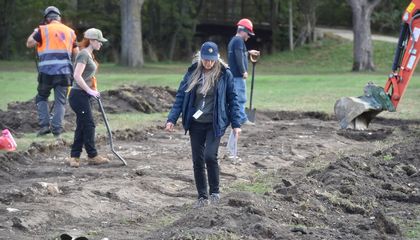
The detail that gets me is the little houses with a little yard. We usually picture leprosy in the Middle Ages as a bell, a wooden rattle, and a life spent begging at the edge of town, but this place sounds more like a gated community for the afflicted. The archaeologists say you'd need resources to get in, which makes sense: a hospital with twenty private cottages wasn't cheap, and the Church wasn't running a charity for the poor when there were souls to save and land to manage.
I think that's the part worth sitting with. The disease was terrifying and isolating, but the treatment was still medieval bureaucracy. You had to qualify. You had to have connections, or at least enough money to make your quarantine convenient for the people running it. That tells me a lot about how charity worked back then, and honestly about how institutions still work.
What I'd want to know next is what they find in the yards. Little gardens, maybe, or the remains of what the patients grew. The archaeology could show whether those houses were genuinely comfortable or just a prettier way to lock people away. Either way, I'm glad the volunteers are digging. The ground keeps better records than the chronicles do.