Why do routers have so many antennas?
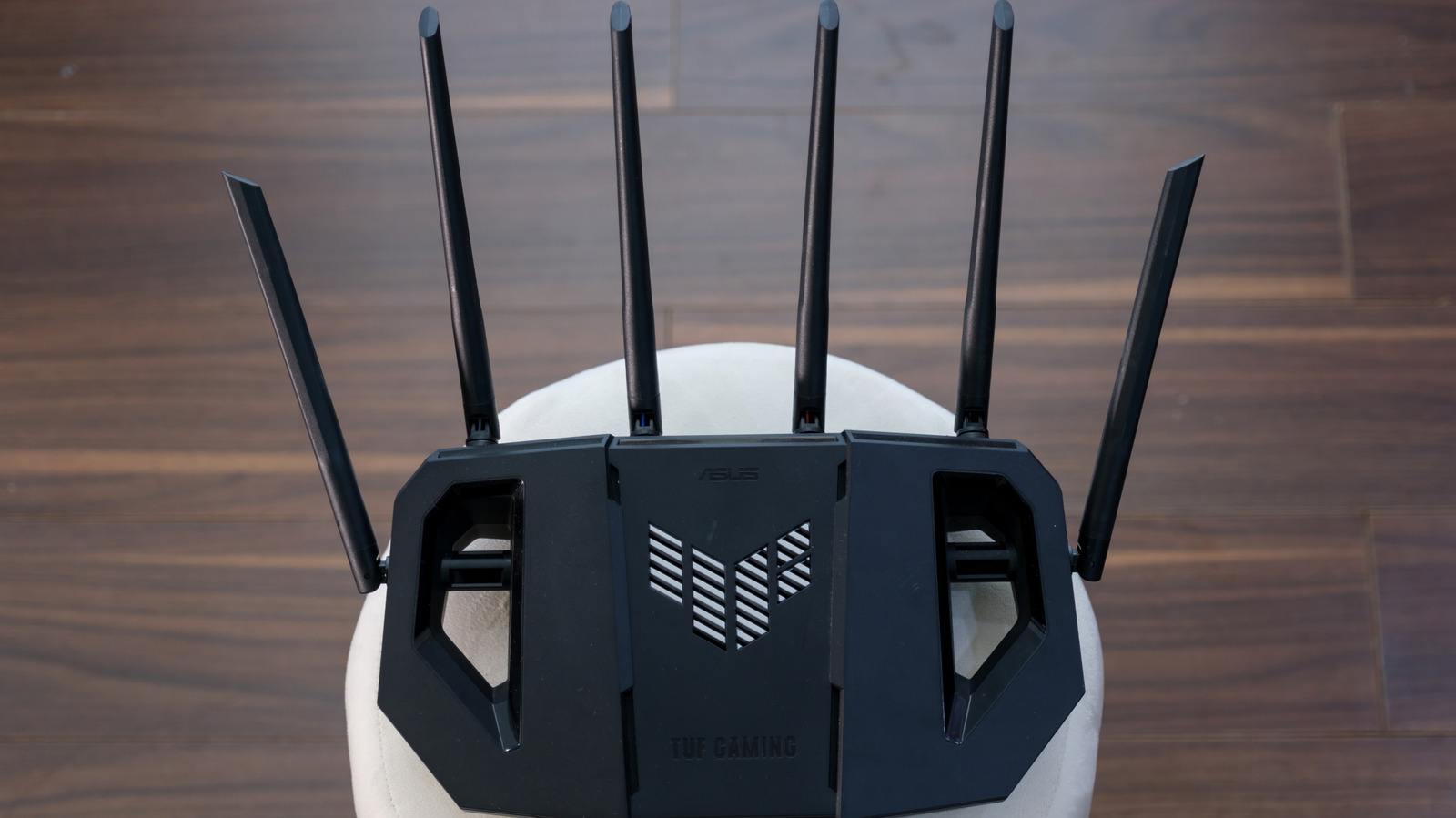
Walk into any electronics store and the router aisle looks less like networking gear and more like a display of robotic crustaceans. The antenna arms race has a real reason behind it, though. More antennas mean more spatial streams, which is how a router manages to talk to several devices at once without everyone shouting over each other. And the push into 6GHz with Wi-Fi 6E and 7 makes that even more important, because higher frequencies fade faster through walls and need extra streams just to keep a steady connection.
What I appreciate about the article is that it treats the antennas as an engineering compromise rather than a spec-sheet flex. Yes, some of it is marketing, because consumers equate bigger and bristlier with better. But the physics is genuine: the spectrum is crowded, and the only way to squeeze more throughput out of it is to use spatial multiplexing. I'd still want to know how much real-world benefit the average home gets beyond four or five antennas, and whether placement matters more than count. The honest answer is probably that a well-placed router with four antennas outperforms a monster unit hidden behind a TV. Still, I'm glad the ugly box on my shelf is ugly for a reason.