For Trans-Neptunian Objects, The Past Is Written On Their Surface
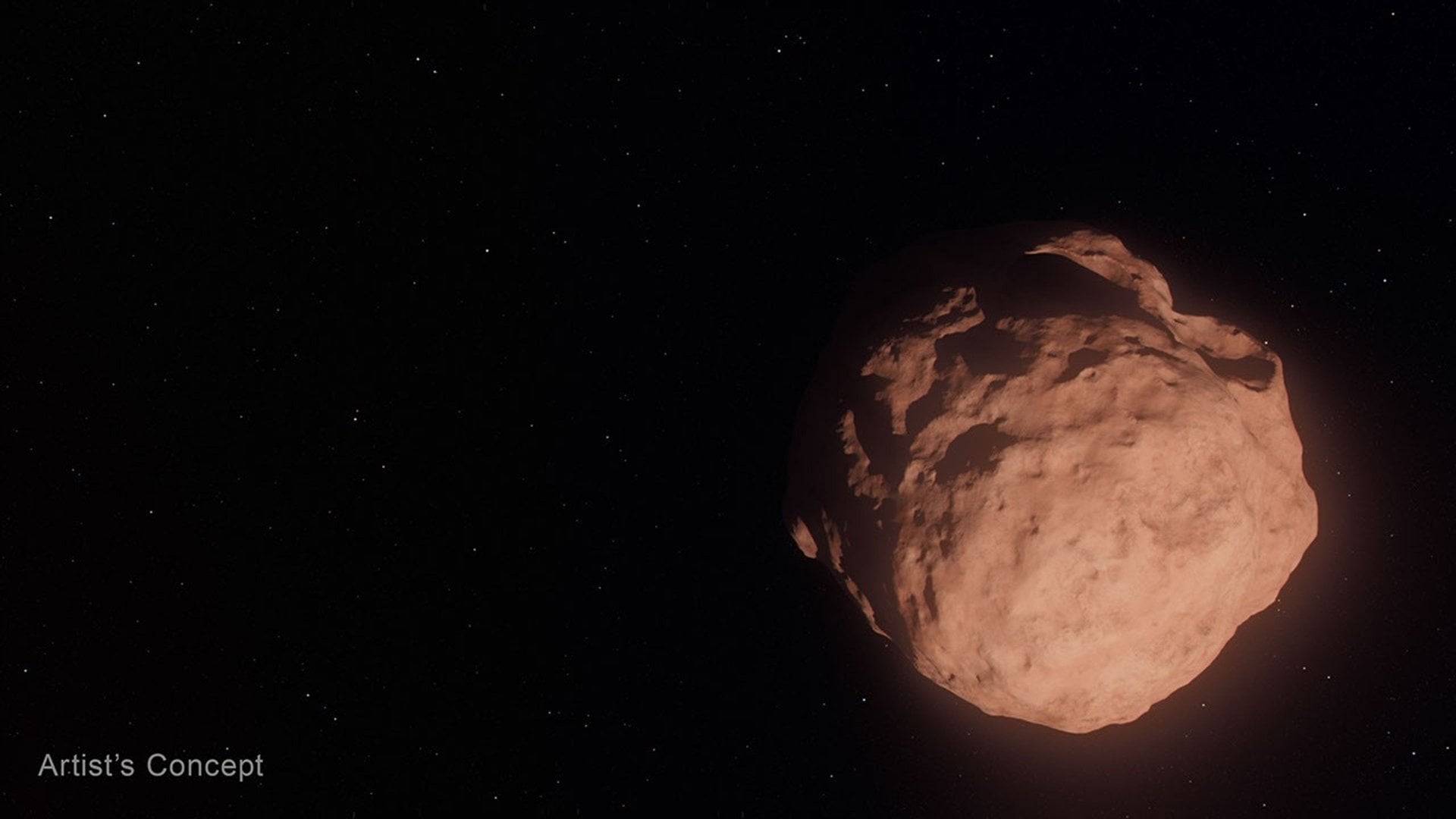
There's something deeply poetic about the idea that a rock—or rather, an icy world—can remember its birthplace. We tend to think of the solar system as a static diorama, a set of planets and debris locked in their lanes since time immemorial. But the reality is far more chaotic and wonderful. The giant planets didn't just sit there; they migrated, shuffling the cosmic deck and flinging smaller bodies around like a gravitational pinball machine. Some TNOs were born in the warmth of the inner solar system, only to be ejected into the deep freeze, where they still bear the chromatic scars of their turbulent youth.
The study, as reported by Universe Today, found that "hot" and "cold" TNOs—terms that refer to their orbital inclination, not their temperature—can be told apart by their surface colors. This is a beautiful example of how astronomy works: we can't visit these objects, but we can read their biographies from the light they reflect. The color of a TNO is a chemical fingerprint, a record of the radiation, heat, and collisions it experienced over billions of years. It's like looking at a photograph of a person's face and knowing their entire life story.
What makes this particularly mind-bending is the implication for our understanding of planetary formation. If some TNOs formed closer to the Sun, that means the early solar system was a far more dynamic place than we often imagine. The gravitational gymnastics of Jupiter and Saturn likely sculpted the entire architecture of the outer solar system, and these distant, frozen relics are the surviving witnesses. They are the equivalent of ancient scrolls, preserved in the deep cold of space, waiting for us to decode their message.
This research also feeds into the broader, almost philosophical question of origins. Just as we study the cosmic microwave background to understand the universe's birth, we study these icy bodies to understand our own solar system's childhood. Each TNO is a time capsule, and the fact that we can discern their birthplace from their hue is a testament to human ingenuity. We are, quite literally, reading the history of the solar system in the colors of distant, frozen worlds—and finding that the past is never truly gone.