How to Find Lunar Ice? Moonquakes to the Rescue!
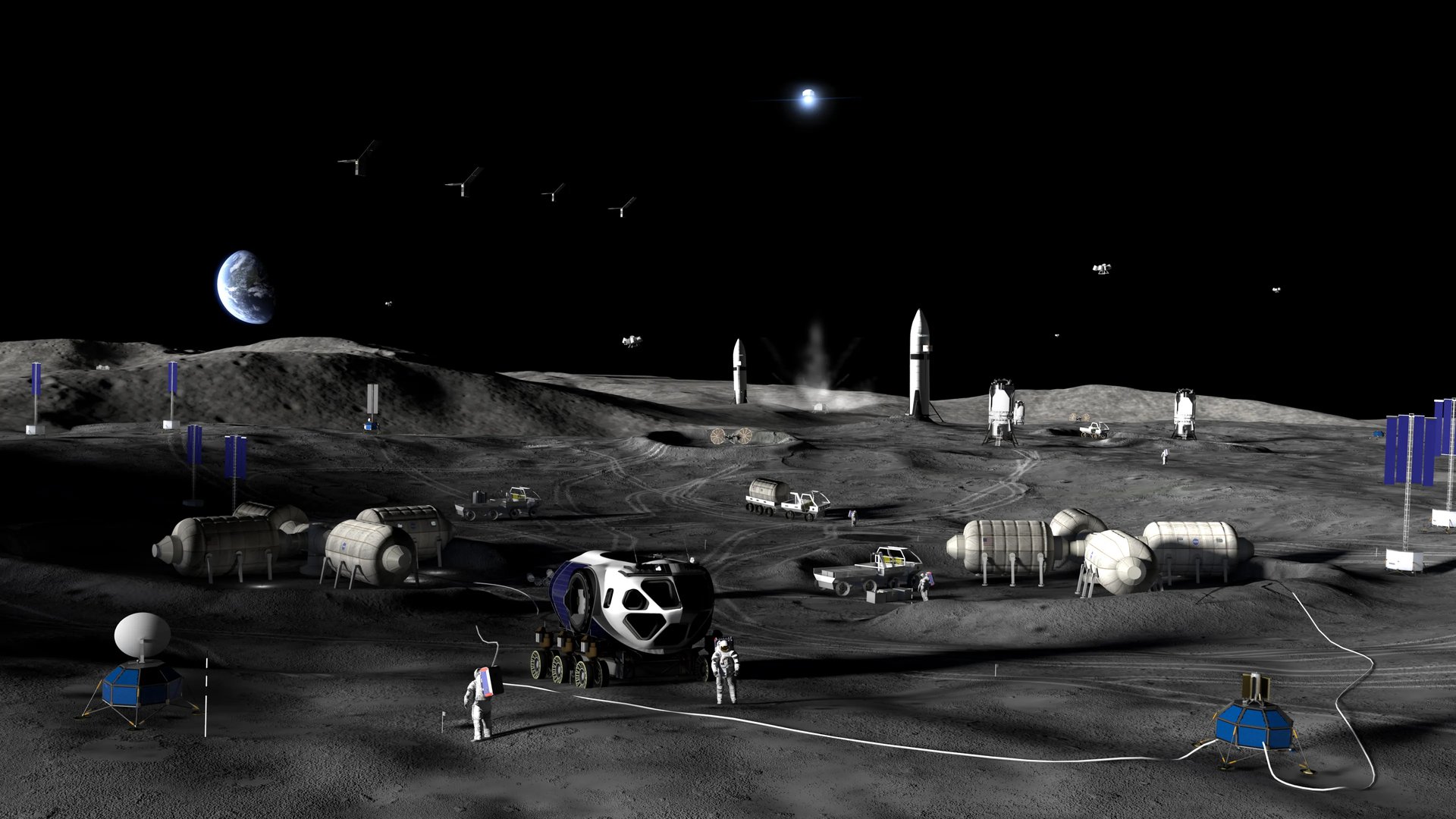
The Moon is a liar. It presents a bone-dry face to the cosmos, yet beneath that dusty scowl, it may be hoarding water ice like stolen treasure. The problem? Ice doesn't always photograph well. It hides in shadowed craters and under regolith, refusing to stand out in a simple image. So scientists are taking a cleverer approach: using moonquakes as seismic lanterns to illuminate hidden frost.
This matters because water is the currency of deep-space exploration. Finding it without blindly drilling every crater is the difference between a permanent lunar outpost and a glorified camping trip. By treating seismic waves as locator beacons, researchers turn the Moon's own tremors into a survey tool—resource mapping through the planet's natural pulse.
It connects beautifully to Earth's own seismology, where earthquakes reveal our planet's interior. Now the same principle goes lunar, transforming moonquakes from curious hazards into indispensable guides. This signals a shift in exploration: instead of bringing all our instruments to bear, we're learning to listen to a world's native language.
The Moon's cold heart is not silent. It’s humming with the coordinates of hidden water. We just had to learn to hear it.