Farage using Christianity ‘to stir anti-Muslim feeling’, says Rowan Williams
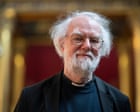
The clash between Rowan Williams and figures like Nigel Farage and Tommy Robinson represents more than a simple dispute over religious authenticity—it speaks to a fundamental question about who gets to define what Christianity means in the public square. Williams, as a theologian and former leader of the established church, carries institutional weight. Farage and Robinson, meanwhile, have positioned themselves as defenders of a Christian cultural heritage they argue is under threat. Both sides claim to speak for the faith, but they are speaking about very different things.
The charge that Farage is using Christianity "to channel anti-Muslim feeling" is a serious one, and it lands in a landscape already fraught with tension. Critics of this view would argue that raising concerns about immigration and cultural change is a legitimate political position, not a religious manipulation—and that invoking Christian heritage is a way of naming the values many Britons share, not a dog whistle. The Guardian piece, however, gives Williams's framing substantial weight, and the former archbishop's credentials lend it credibility that a purely partisan critic might lack.
Then there is Tommy Robinson, whose conversion narrative has been met with suspicion from both secular and religious commentators. Williams's "awkward questions" gesture at a deeper issue: when faith is claimed publicly, it invites scrutiny of whether that faith shapes conduct or merely decorates it. Robinson's history of inflammatory rhetoric sits uneasily alongside any claim to follow a religion whose central figure preached peace and forgiveness. Yet one might also ask whether the bar for "authentic" faith is being applied unevenly—Farage and Robinson are scrutinized in ways that mainstream politicians who invoke Christianity are not.
What makes this story significant is what it reveals about the state of religious discourse in Britain. Christianity is no longer the default cultural backdrop it once was; it has become contested territory, claimed by different factions for different ends. When a former archbishop and a populist politician disagree over the meaning of faith, we are watching a struggle over national identity itself. The source article captures a moment where religion, politics, and culture collide—and the outcome of that collision will shape how Britons understand both their faith and their nation for years to come.