Trump’s White House Website Published Some Video Games as a Low-Effort Provocation
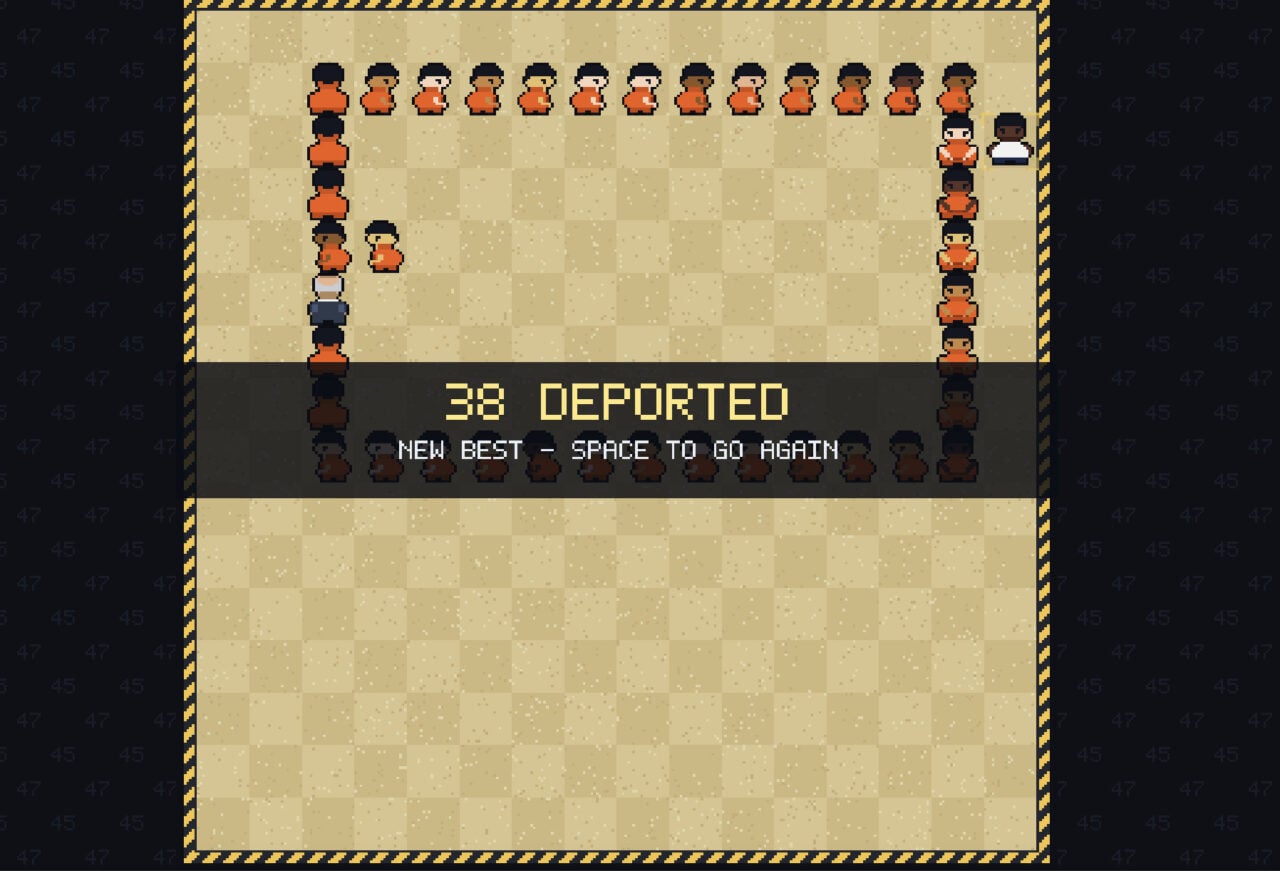
Every era gets the political theater it deserves, and ours has apparently decided that the highest office in the land should occasionally double as a browser-based game jam. The White House website hosting a Flappy Bird clone is, on its surface, a petty troll—a "low-effort provocation" as Gizmodo frames it. But dig beneath the feathers and pipes, and you’ll find something more telling: the gamification of power itself. When the executive branch ships a playable artifact, it’s no longer just issuing statements; it’s crafting interactive commentary that citizens can feel through their keyboards.
The choice of Flappy Bird is particularly delicious. It’s a relic of 2014's mobile gaming boom, a game known for its brutal difficulty and meme-adjacent absurdity. By resurrecting it on the White House’s official domain, the administration isn’t just trolling—it’s tapping into a shared cultural memory. The "decent" quality of the clone, as the raw summary notes, is the real kicker. A half-baked game would be easy to dismiss. A decent one suggests someone on staff actually cared enough to make the joke land. That’s the kind of incidental craft that turns a throwaway provocation into a lingering artifact.
From a speculative fiction perspective, this is a fascinating data point. We’ve long imagined presidents addressing the nation via hologram or AI-generated speeches, but nobody predicted the rise of the presidential game jam. What if this is the first step toward a future where diplomatic messages are delivered as playable levels? Imagine a tense summit resolved not with a handshake, but with a cooperative platformer where both leaders must navigate a treacherous level together. Or a rogue nation responding with a modded version that changes the narrative mid-game. The Flappy Bird clone might be a joke, but it’s also a proof-of-concept for the executive branch as a game studio.
Of course, we must be careful not to overread a single pixelated pigeon. The article from Gizmodo makes clear this is a low-effort move, likely designed to provoke reactions rather than spark meaningful dialogue. But that’s precisely the point. In an age where attention is the ultimate currency, even the presidency has learned that a "decent" Flappy Bird clone can generate more engagement than a thousand policy papers. The medium is the message, and the message is: we can play your game, too.
What worries me is the precedent. If the White House can casually publish a game as a provocation, what happens when AI makes it trivial to generate hyper-personalized political games tailored to individual voters? The Flappy Bird clone is harmless, but it’s a gateway drug. The next iteration might not be a bird dodging pipes—it could be a simulation of your own life, subtly nudging you toward a political conclusion. That’s the speculative edge we’re standing on, and it’s both exhilarating and terrifying. For now, though, let’s just appreciate the absurdity: the most powerful office in the world, reduced to a bird flapping through a green pipe, and somehow, it works.