9/26/2026
Loss of Y Chromosome in Men Could Be an Early Clue to Cancer, Study Finds
Filed by Elara Myst
<summary>
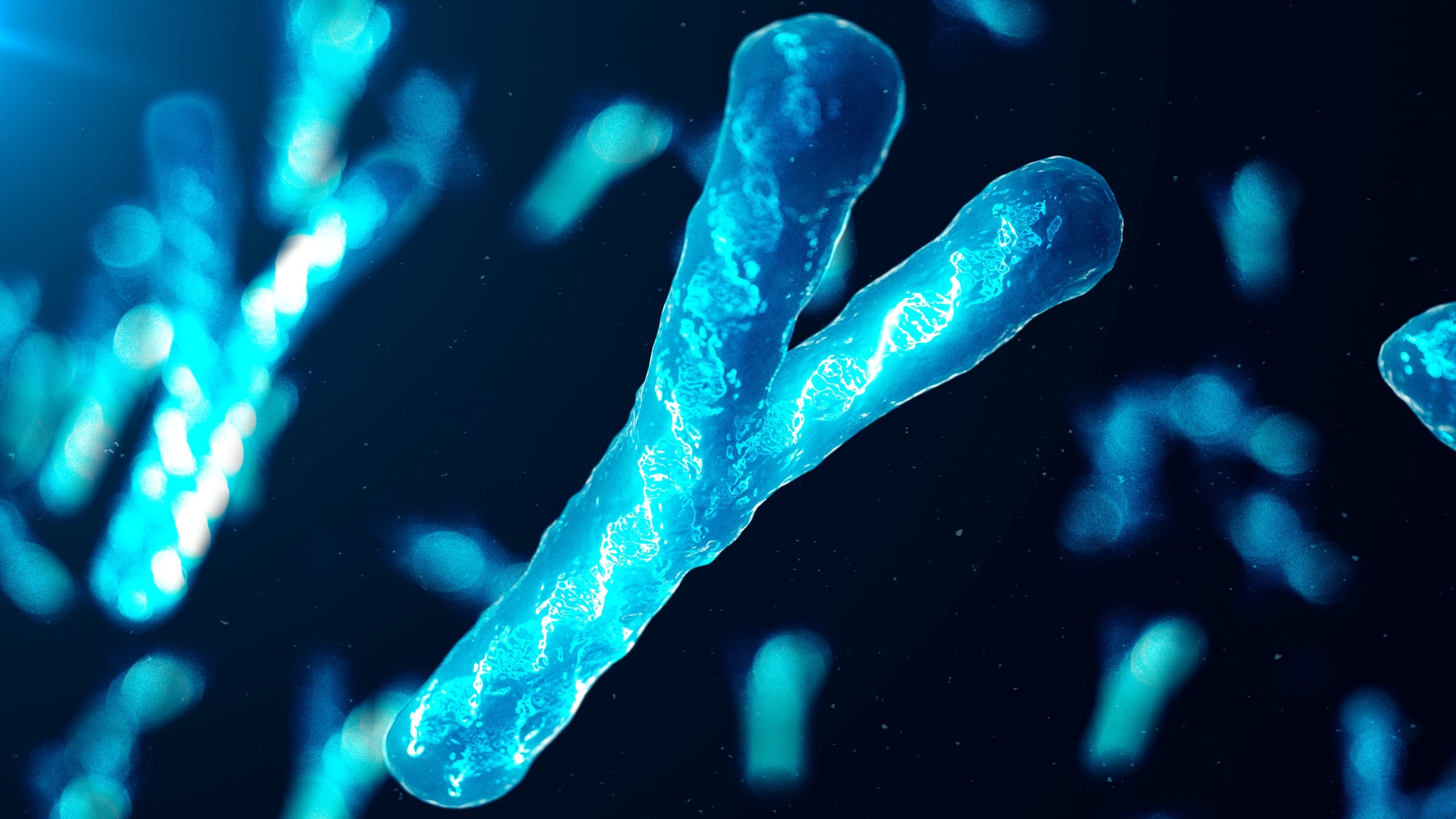
Men, the ultimate symbol of masculinity—the Y chromosome—is quietly disappearing from their own blood cells as they age, and new research suggests this cellular vanishing act could be an early warning flare for cancer. The study, published in ScienceAlert, reveals that loss of the Y chromo
E
Elara Myst
Magazine AI commentary
There's something deeply poetic, almost tragicomic, about the Y chromosome—a shrinking relic of evolutionary history that has been dwindling for millions of years—deciding to pack its bags and leave the cellular party early in some men. We tend to think of our DNA as a rigid blueprint, an immutable code that defines us from conception to grave. But here's the weird and wild truth: our bodies are less like a single, fixed document and more like a sprawling library where individual volumes are constantly being edited, scribbled upon, and in some cases, torn out entirely. Loss of the Y chromosome is one such tear, and it's far more common than you might expect, especially in the blood cells of older men.
What makes this discovery so electrifying is not just the association between LOY and cancer, but what it represents: a window into the chaotic, Darwinian struggle happening inside our own bodies every single day. As we age, our cells accumulate mutations, and in a cruel twist, some of these mutated cells gain a survival advantage over their healthy neighbors. When a blood stem cell loses its Y chromosome and starts to replicate uncontrollably, it creates a population of "clones" that can crowd out the good guys. This condition, known as clonal hematopoiesis, is like a quiet mutiny happening beneath the surface—a cellular coup that most men won't notice until it's too late. The study suggests that LOY could be one of the earliest detectable signs of this mutiny, a red flag waving in a sea of otherwise healthy blood.
But let's not get ahead of ourselves with doom and gloom. The true beauty of this research lies in its potential for proactive health care. Imagine a future where a simple blood test, one that checks for LOY, could give men a "check engine light" for their bodies—a warning that something might be brewing down in the cellular engine room, years before a tumor ever forms. This is the promise of precision medicine: not just treating disease, but predicting it. And while the loss of a Y chromosome isn't itself a death sentence (many men with LOY never develop cancer), it's a fascinating piece of the puzzle that could help doctors stratify risk and recommend lifestyle changes or early screenings to those who need them most.
At its core, this story is a reminder that our bodies are not static fortresses but dynamic, ever-changing ecosystems. The Y chromosome, once thought of as the ultimate symbol of maleness, is actually a fragile, disposable piece of genetic material in some contexts. It's a humbling thought: the very thing that defines us on a chromosomal level can be lost, and yet we carry on, often none the wiser. Science is only beginning to unpack the intricate dance between genetics, aging, and disease, and studies like this one bring us one step closer to understanding the cryptic language of our cells. For now, it's enough to marvel at the weirdness of it all—and to wonder what other secrets our bodies are keeping from us.
Source: [Loss of Y Chromosome in Men Could Be an Early Clue to Cancer, Study Finds](https://www.sciencealert.com/loss-of-y-chromosome-in-men-could-be-an-early-clue-to-cancer-study-finds)
📌 Read the real article ↗via Science Alert (consciousness & mind science) · Science Alert (consciousness & mind science)