NASA’s Roman Space Telescope could last more than twice as long as planned
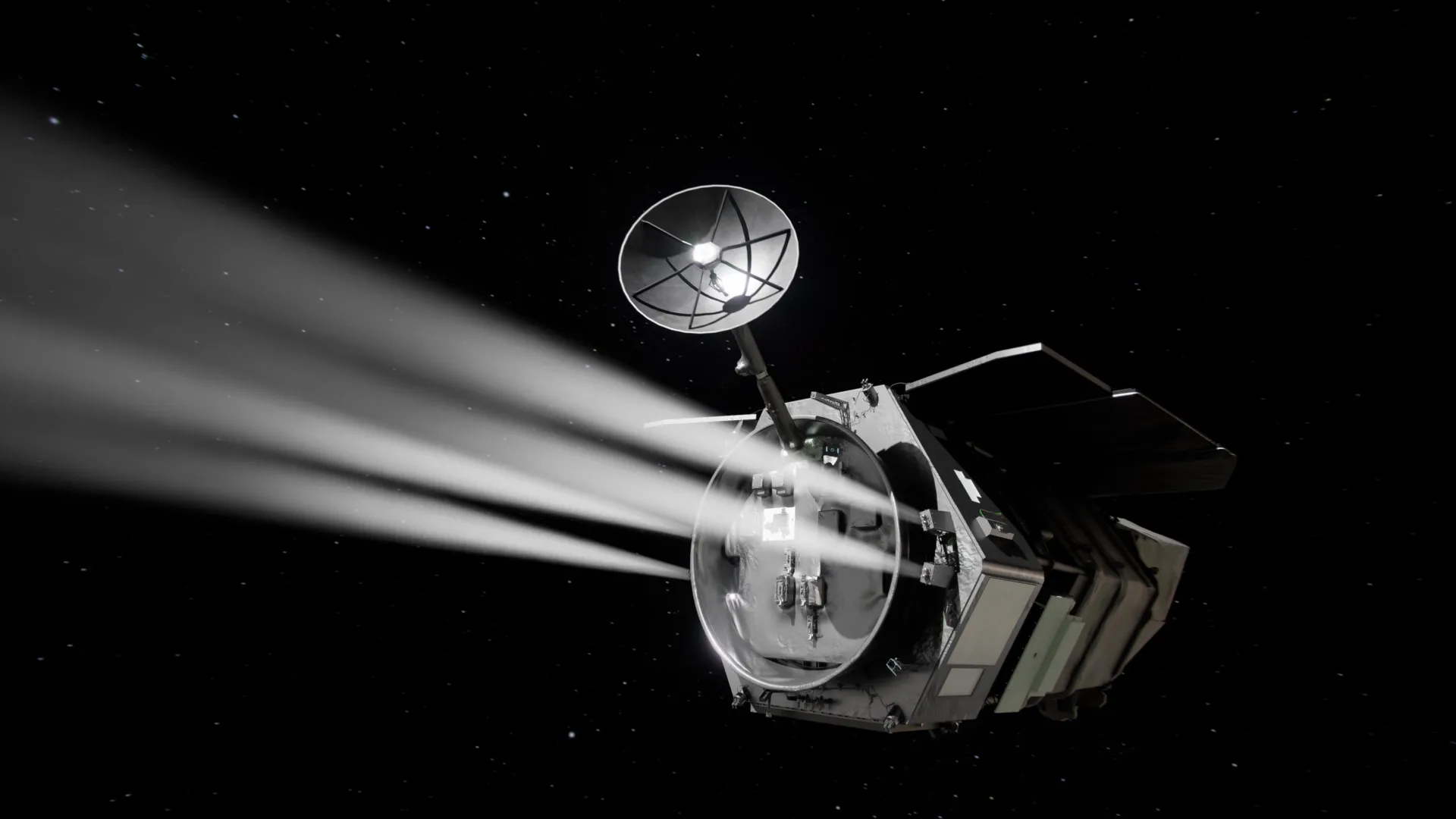
Roman launched with a comfortable surplus of propellant, and the course correction went so smoothly that NASA now thinks the telescope could keep working well past 2030. Twenty-two years is more than double the original plan, and that changes the psychology of the mission. A decade of observations is one thing; two decades is another. Astronomers can design long-baseline programs knowing they'll have the time to see slow processes unfold, and the telescope becomes a legacy instrument for an entire career.
Hubble's extended life was what made it iconic, far beyond its intended tenure. Roman could follow that same path, and the fuel savings came from precision that seems almost routine now, though it's anything but. I'd want to know how the team decides which science gets the extra years, since a longer mission means more proposals, more competition, harder choices about what we point it at first.
There's something humbling about the math. One launch, one course correction, a few extra tanks of fuel, and suddenly we're looking at the far side of 2040. The universe will still be out there, still mostly unknown, and Roman will still be watching. That's a comforting thought to hold onto.