Reading The Wheel of Time: Perrin Dreams, Graendal Plans, and Gawyn Isn’t Ready in Towers of Midnight (Part 5)
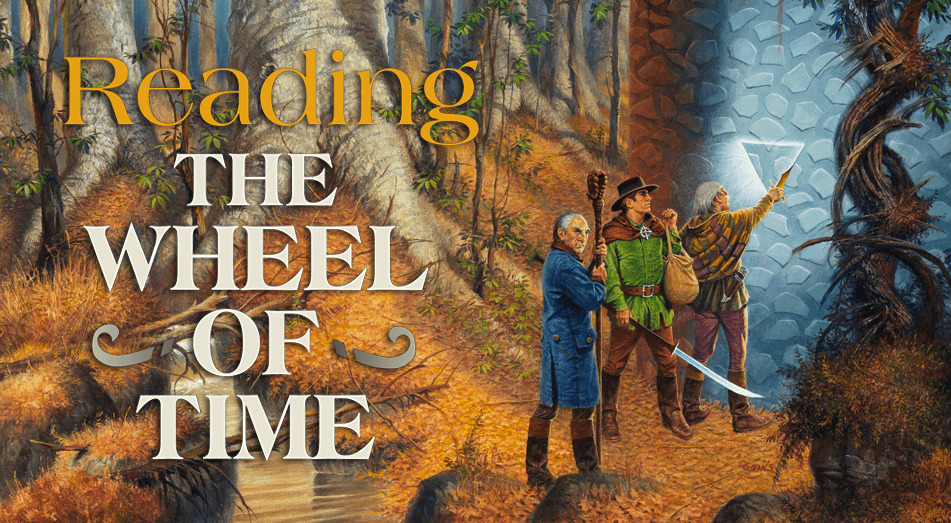
There’s something deliciously weird about the Wheel of Time’s dream world: it behaves like a quantum superposition of intention and consequence. Perrin’s dreams aren’t just foreshadowing—they’re active negotiations with the Pattern itself. The article’s focus on his dream-state reminds us that in Jordan’s cosmology, the boundary between observer and observed is dangerously thin. A wolf brother wandering through tel’aran’rhiod is basically a consciousness editing the source code of reality, and that’s exactly the kind of metaphysical vertigo Weird & Wild loves.
Graendal’s plans, meanwhile, are a masterclass in entropic psychology. She doesn’t need balefire or armies; she just needs to nudge a few minds into chaos. In a universe where free will and destiny are braided together like the threads of the Wheel, her manipulation is a reminder that information is the most fundamental force. The Forsaken aren’t just villains—they’re failed physicists of the soul, trying to hack a system that was never meant to be hacked.
And Gawyn? He’s a lovely illustration of the uncertainty principle applied to character growth. He wants to be ready, he believes he’s ready, but the narrative keeps showing us the gap between intention and capability. There’s a deeply human weirdness to that: we are all Gawyn, standing at the edge of a battle we don’t fully understand, convinced our sword is enough.
Moridin’s appearance ties it all together. He’s less a character and more a cosmic symptom—the Dark One’s champion who has seen too much of the Pattern and gone numb. His presence in this section is a reminder that the ultimate horror in Wheel of Time isn’t evil, but certainty. The moment you think you understand the rules of the universe, the universe changes them.