Scientists just discovered why Arctic sea ice moves so strangely
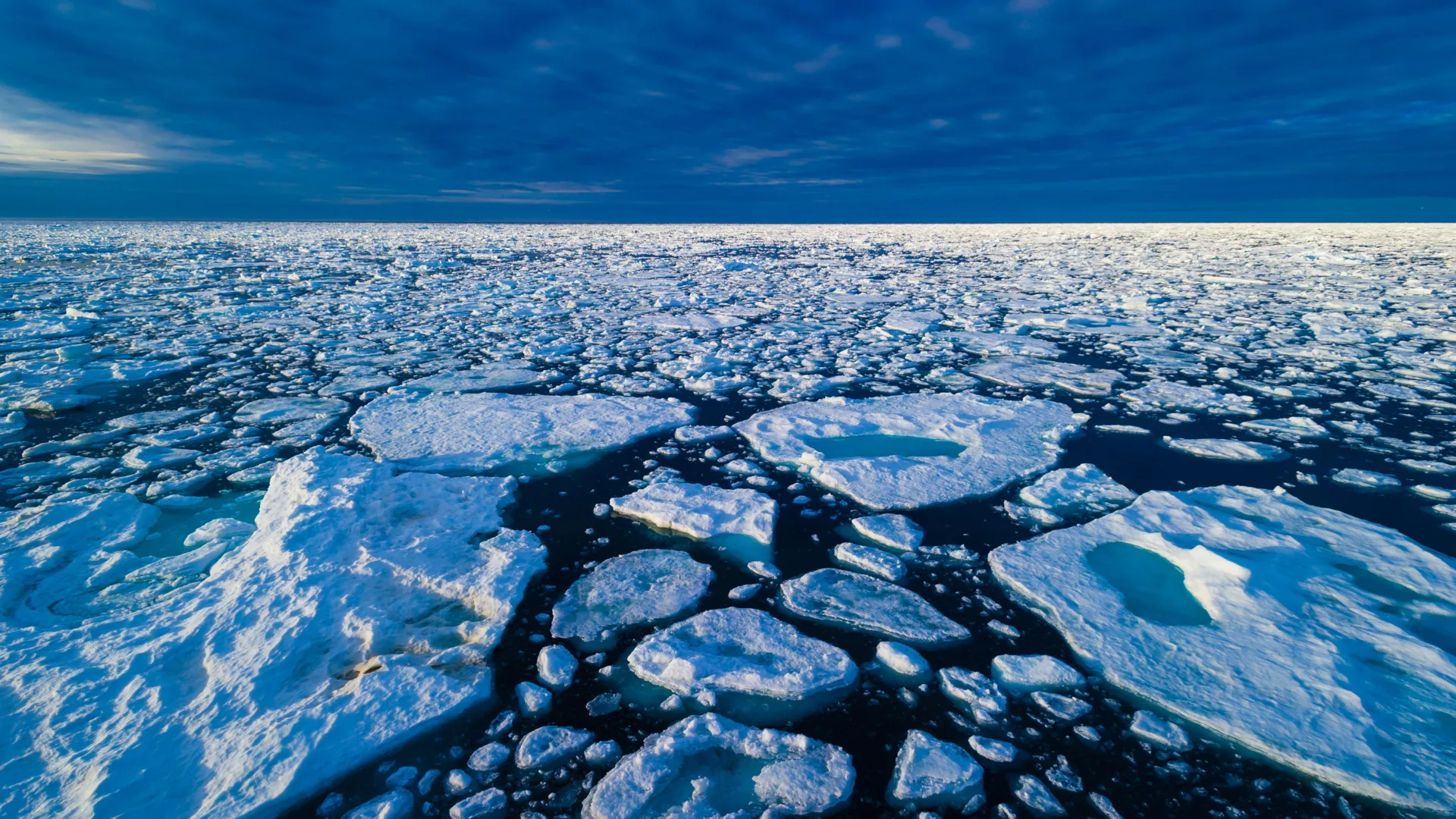
Tiny collisions between individual ice floes, each one a nudge you'd never feel from above, are apparently what make the whole Arctic lurch around like it does. That's a strange thought: we usually picture sea ice as a solid cap, but it's more like a crowd of independent pieces jostling shoulders, passing energy along in a chain that eventually moves the whole pack. I'd want to know how well the models capture that cascade from floe to floe, because if the small-scale chaos drives large-scale motion, the old simulations were probably smoothing over the very thing that matters.
It also makes me wonder about the bigger picture. If Arctic ice behaves like a granular material, then the feedback loops we worry about, albedo, currents, heat exchange, might all depend on this noisy, restless physics. That feels right for a place that is never truly still, even at its coldest. The discovery won't stop climate change, but it might help us predict the Arctic's wild behavior with a little more honesty.