Razer launches a cheaper version of Clio, its head cushion wireless speaker
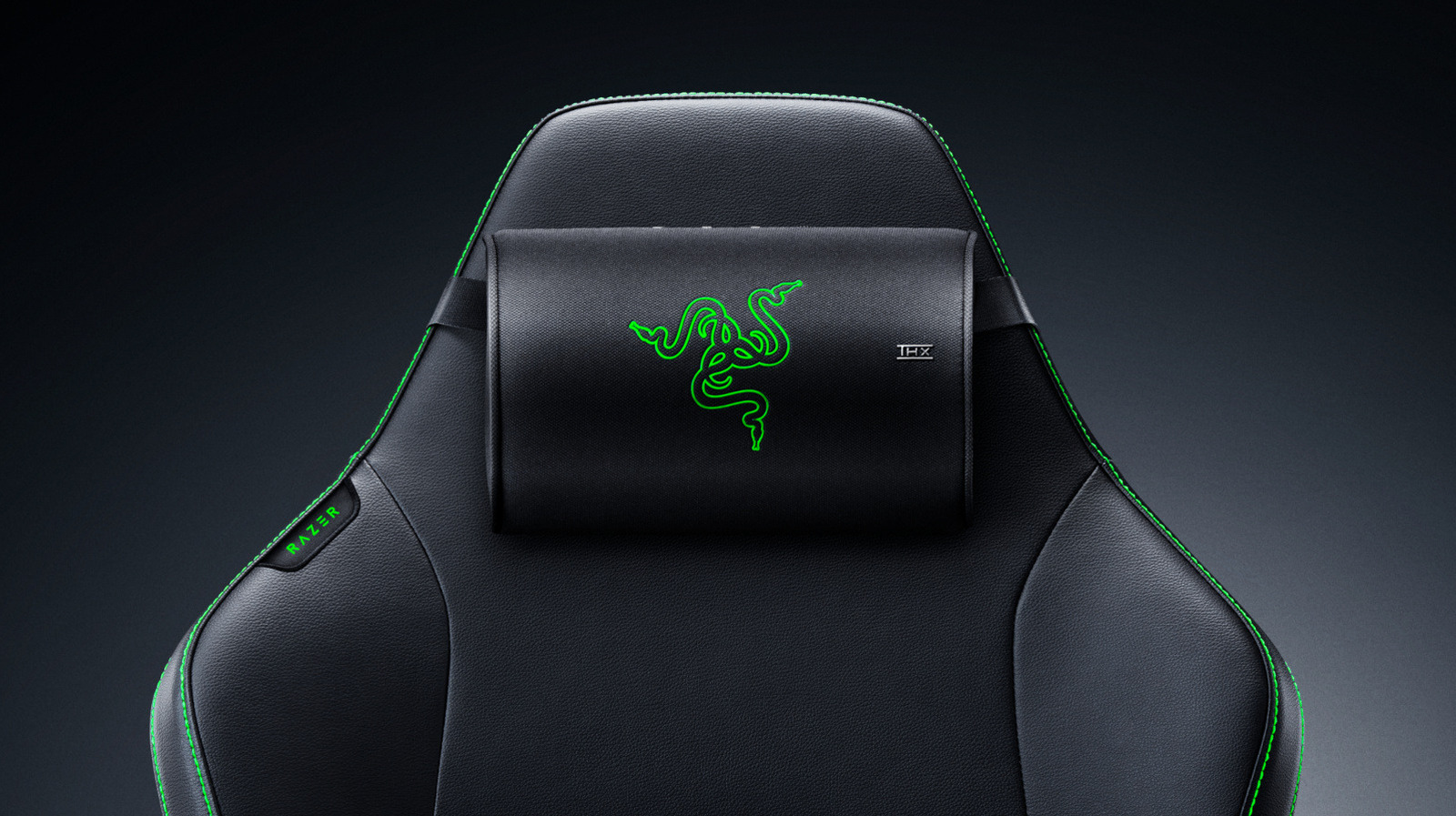
The Razer Clio X is the latest example of a company trying to colonize the last remaining inch of your gaming setup. The original Clio was a premium, almost absurdly niche accessory—a speaker built into a headrest cushion for people who apparently find headphones too isolating and desk speakers too distant. The Clio X is Razer's attempt to make that pitch more accessible. Whether that's a sign of confidence in the form factor or a quiet admission that the first version didn't sell well enough is the real story here.
There's a broader pattern at work: the gaming hardware industry has spent the last decade expanding outward from the core PC to the entire physical environment. We've seen RGB-lit desks, smart chairs, and now speakers embedded in cushions. The logic is that "immersion" isn't just about what's on screen—it's about the soundstage around you. But the Clio X sits in an awkward middle ground. It's not spatial audio, it's not a soundbar, and it's not a headset. It's a compromise that asks you to accept a very specific trade-off: your ears stay free, but your headrest is now a speaker aimed at the back of your skull.
The "cheaper version" strategy is also worth scrutinizing. Razer has a well-documented habit of releasing budget variants that strip away the premium feel—plastic builds, fewer controls, weaker drivers—while keeping the recognizable silhouette. The Clio X will likely follow that playbook. The risk is that a cut-price version of an already-niche product doesn't expand the market; it just cannibalizes the few people who were already tempted. The success of this product depends entirely on whether the core idea—chair-bound personal audio—actually solves a real problem for enough people.
Ultimately, the Clio X is a test balloon. It tells us less about the product itself and more about where Razer thinks the gaming ecosystem is heading: toward a fully integrated, branded environment where even the foam behind your head carries the logo. That vision is coherent, but it's also a solution in search of a problem. For most people, a pair of headphones does everything the Clio X does, with better sound and fewer neighbors giving you strange looks. Razer is betting that enough gamers want to escape the headset clamp and still feel immersed. That bet is plausible—but it's far from a sure thing.