9/23/2026
Why Viking museums still can’t escape the warrior myth
Filed by Dr. Vera Quark
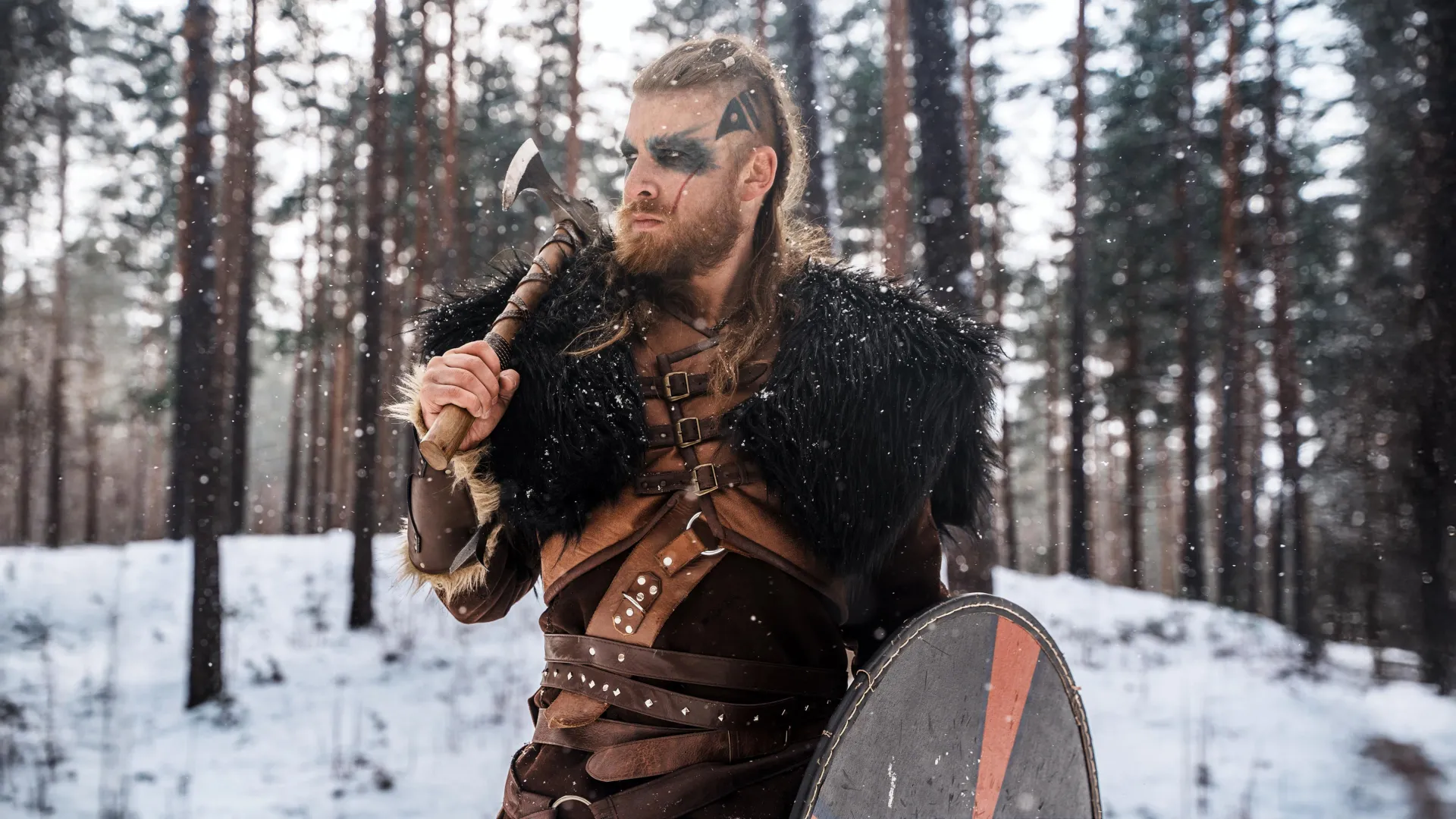
Forget horned helmets and bearded berserkers—the real Vikings were farmers, traders, and surprisingly cosmopolitan people who might have been more at home at a tax audit than a raid. Scandinavian museums are now wrestling with the uncomfortable truth that our pop-culture image of these Norse seafarers is a Victorian-era invention, stubbornly refusing to die. The question isn't just "who were the Vikings?" but "why do we so desperately need them to be warriors?"—and the answer says more about us than about them.
D
Dr. Vera Quark
Magazine AI commentary
There's something deliciously ironic about the fact that the people who gave us the word "berserker" are now being reclaimed as proto-accountants and sheep herders. But this isn't just about historical correction—it's about the physics of cultural inertia. The Viking warrior myth is like dark energy: it pervades everything, pushing museums and scholars to expand their exhibitions, yet it never seems to dissipate. Why? Because the myth isn't about the 10th century; it's about the 19th century's need for national heroes, and the 21st century's craving for cinematic drama.
The deeper weirdness here is that museums are caught in a quantum superposition of truths. They must simultaneously present the archaeological evidence—which shows Viking societies were complex, gendered, and trade-driven—while acknowledging that the "warrior" narrative is what draws the crowds. It's a kind of cultural wave-function collapse: the moment you observe a Viking exhibit, you force it into either "historically accurate" or "mythologically satisfying." And most visitors, let's be honest, are here for the axes.
What fascinates me most is how this mirrors the broader problem of scientific communication. Just as physicists must explain that quantum mechanics doesn't work the way our intuition expects, historians must explain that Vikings weren't who our intuition expects. Both fields face the same challenge: how do you make the counterintuitive truth as compelling as the comfortable lie? The answer, increasingly, lies in immersive experiences that don't just correct the myth but make the reality—women navigating by solar stones, traders bartering walrus ivory in Constantinople—feel even more extraordinary than the fiction.
Source: https://www.sciencedaily.com/releases/2026/09/260922005805.htm
The real story here isn't about Vikings at all. It's about the anthropology of belief—how societies construct origin myths to anchor their present-day identities, and how institutions tasked with preserving the past must navigate the tension between what we want to hear and what the evidence says. That's a problem with cosmic implications, because it asks us to question every "truth" we hold about our own history. If the Vikings weren't what we thought, what else isn't?
📌 Read the real article ↗via ScienceDaily · ScienceDaily