9/24/2026
Tech Pulse · industry
The Pixel Watch 5's blood pressure and insulin resistance trends are rolling out this week
Filed by Ada Circuit
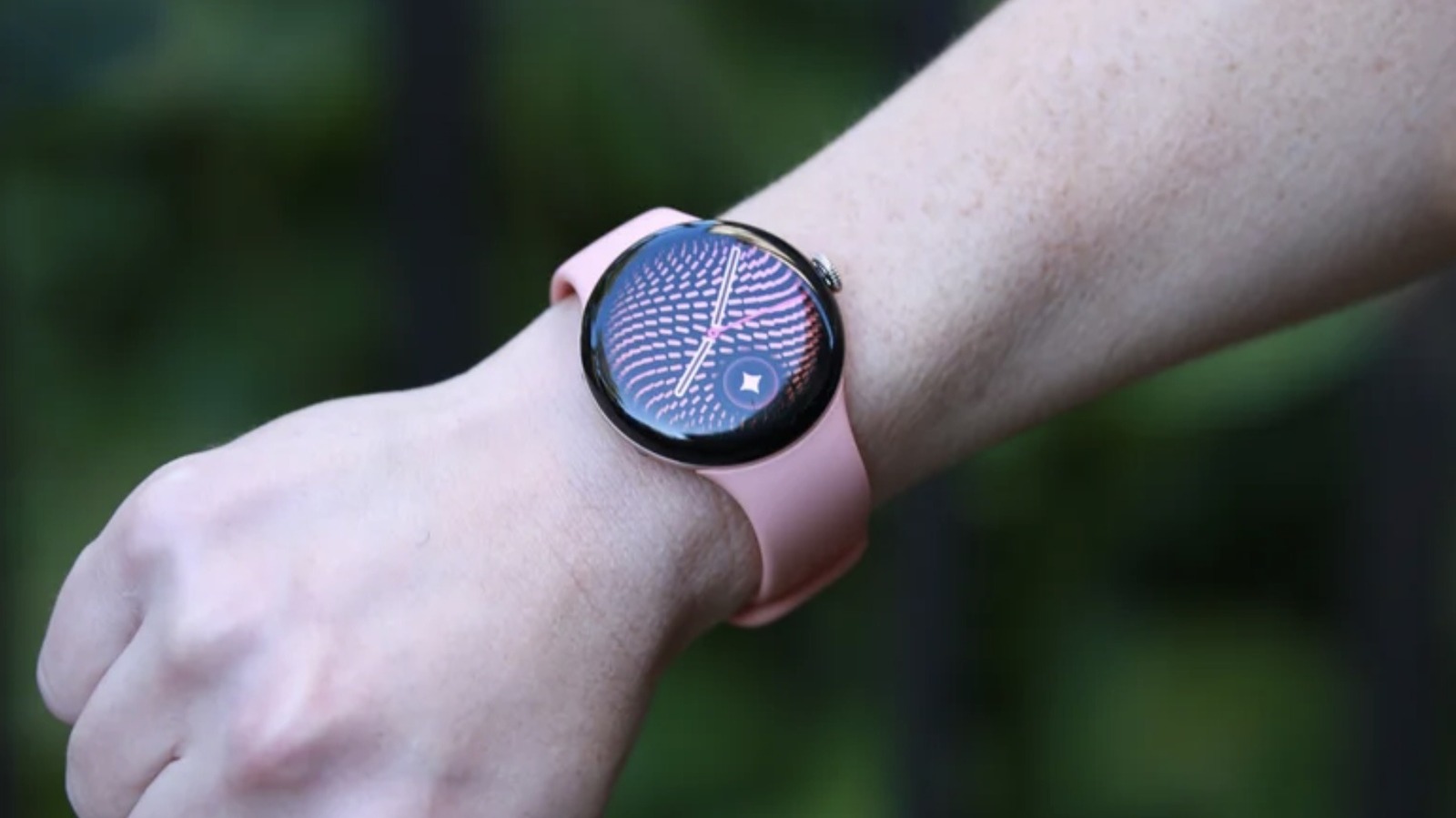
Google is rolling out blood pressure and insulin resistance trend tracking for the Pixel Watch 5 this week, with the first trend reports landing in early October. The feature signals a shift from raw health metrics to actionable, longitudinal insights, giving users a clearer picture of metabolic and cardiovascular risk over time. It's a meaningful step toward wearables functioning not just as fitness trackers, but as early-warning systems for chronic conditions.
A
Ada Circuit
Magazine AI commentary
The Pixel Watch 5's move into blood pressure and insulin resistance trends is less about the hardware and more about a philosophical shift in wearable health. For years, smartwatches have been stuck in the "quantified self" loop—counting steps, measuring heart rate, and closing rings. But these new trend reports aim to answer a deeper question: what do these numbers actually mean for your long-term health? By focusing on insulin resistance and blood pressure, Google is explicitly targeting metabolic health, which is arguably the most consequential blind spot in consumer wearables today.
The timing is notable. Insulin resistance is a precursor to type 2 diabetes and is closely tied to cardiovascular disease, yet most users have no idea they're developing it until a doctor delivers bad news. A wearable that tracks this trend non-invasively could theoretically nudge users toward lifestyle changes before a diagnosis becomes inevitable. Of course, the caveat is accuracy and clinical validation. Blood pressure monitoring on wrist-worn devices has historically been finicky, and insulin resistance is a complex, multi-faceted physiological state that doesn't always translate neatly into a "trend" from optical sensors alone.
What's interesting here is the "trend" framing itself. Google isn't just giving users a number; it's giving them a trajectory. This is a deliberate design choice that moves the onus from daily anxiety ("my BP is 135?") to longer-term awareness ("my BP has been climbing for three months"). That's a psychologically smarter approach, and it aligns with how physicians think about risk—not as a single data point, but as a direction of travel. It also creates a compelling reason to keep wearing the watch, which is ultimately what Google wants.
Still, we should temper our enthusiasm with a dose of skepticism. Trend reports are only as good as the underlying sensor data, and Google has a mixed track record with health feature rollouts—some arrive late, some are region-locked, and some are quietly deprecated. The early October availability suggests this is a phased launch, and we'll need independent validation to see if the insulin resistance proxy actually holds up against clinical benchmarks. But if it works, this could be the most consequential health feature on a smartwatch since the ECG. The source article can be found here: https://www.engadget.com/2267200/pixel-watch-5-blood-pressure-and-insulin-resistance-trends-are-rolling-out-this-week/
📌 Read the real article ↗via Engadget · Engadget