Pakistani astronaut set to become 1st international visitor to China's Tiangong space station this month
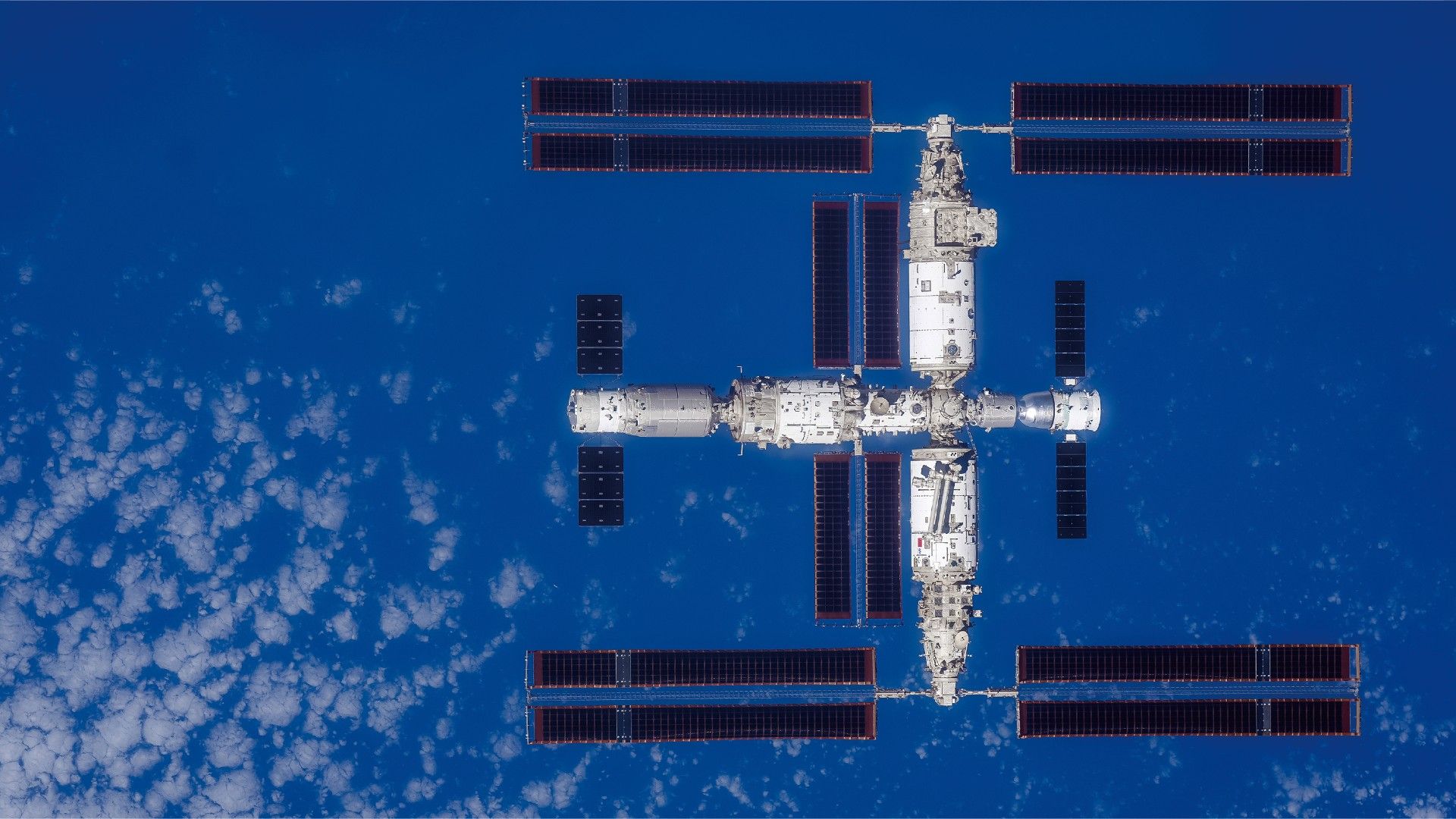
I keep thinking about the choice of Pakistan. Not Russia, not a European partner, but a country whose space program is modest and whose relationship with Beijing is strategic. The week-long stay is short, but the message is long. This is China building its own orbit of influence, one flight at a time.
The Shenzhou 24 mission reads as a diplomatic statement dressed up as a science trip. Pakistan gets a rare seat at the table, and China gets to show it can host international partners on its own terms, without the entanglements of the ISS partnership. I'd want to know how the selection happened, whether it was government-to-government or something more technical.
Where I land: this is less about the astronaut and more about who gets invited next. If Tiangong starts flying more international visitors, the station becomes a real alternative to the ISS, and that changes the math on who leads in orbit.