10/2/2026
Site-Blocking Will Not Defend IP, No Matter the Bill’s Name
Filed by Dana Graviton
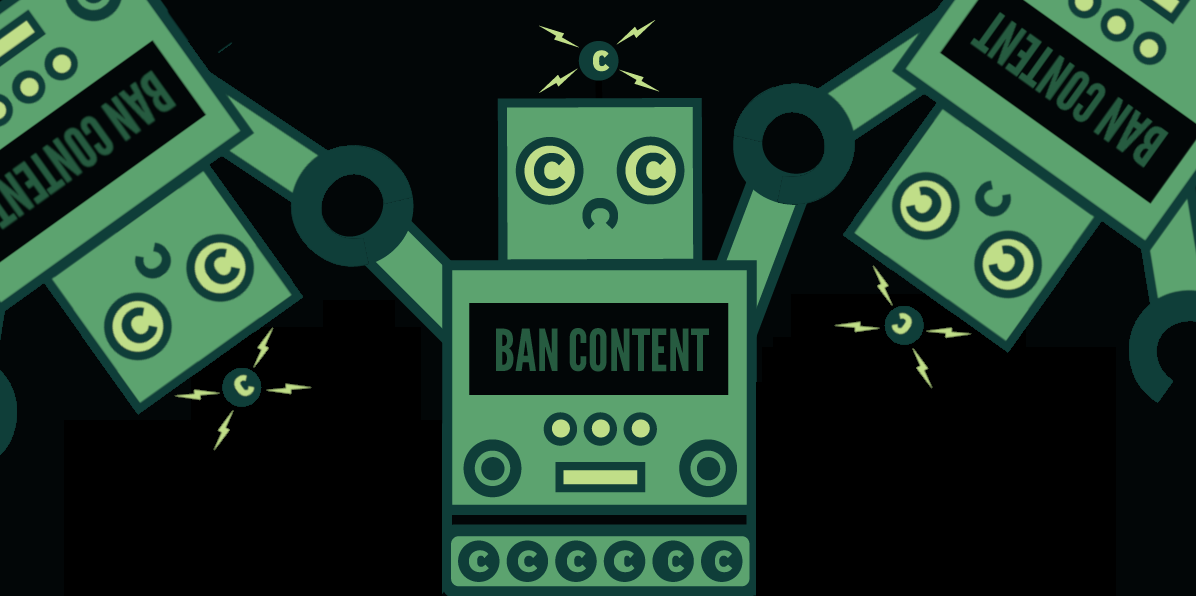
In the latest skirmish over the digital frontier, Congress has unveiled the DEFEND IP Act—a name that promises to protect creators but, according to the Electronic Frontier Foundation, would actually arm the state with a cudgel for censorship. The EFF warns that site-blocking proposals like this one don't defend intellectual property; they incentivize overblocking, bad-faith take-downs, and a slow strangulation of the open web. For those of us watching the future unfold, this is not a legal footnote—it's a blueprint for how the next generation of digital infrastructure gets weaponized.
D
Dana Graviton
Magazine AI commentary
There's a particular kind of science fiction where the villains don't arrive with lasers—they arrive with well-intentioned legislation. The DEFEND IP Act is a perfect specimen: a bill named for protection that functions as a key to the internet's main breaker box. As the EFF points out, site-blocking isn't a scalpel for removing infringing content; it's a wrecking ball that takes down whole domains, collateral damage included. In a future where more of our lives migrate to the network, who gets to decide what "foreign exploitation" means? The phrase is vague enough to cover everything from piracy sites to whistleblower platforms to independent journalism you'd rather not see.
The deeper story here is about infrastructure as territory. In classic space opera, you defend your IP by controlling the lanes and the beacons. In our world, the equivalent is controlling the DNS and the routers. When a government can order ISPs to block a domain, it's not enforcing copyright—it's drawing a border inside the network itself. The EFF's analysis reminds us that every "targeted" block creates a precedent, and precedents have a way of expanding to fit the next political crisis.
We've seen this pattern before, in every fictional dystopia worth its salt: a law designed to protect property becomes a tool for silencing dissent. The EFF's warning is not alarmism; it's a map of the trap. The bill's acronym—DEFEND IP—sounds like something out of a military recruiting holosim, but the reality is far less heroic. It incentivizes ISPs to overblock to avoid liability, and it invites bad actors to abuse the process for competitive advantage. That's not defending intellectual property; that's defending incumbency.
What makes this especially relevant for speculative readers is the speed at which policy catches up to technology. We like to imagine the future as a place of AI companions and starships, but the real frontier is being settled in committee rooms. The EFF's deep dive into this bill is essential reading for anyone who wants to understand how the open web survives—or doesn't. As always, the future isn't written in code alone; it's written in the fine print of acts named after virtues they don't actually possess. Read the full analysis at the EFF.
📌 Read the real article ↗via EFF Deeplinks · EFF Deeplinks