Zach Cregger Gets ‘Resident Evil’ Fans, He Just Wants Them to Chill
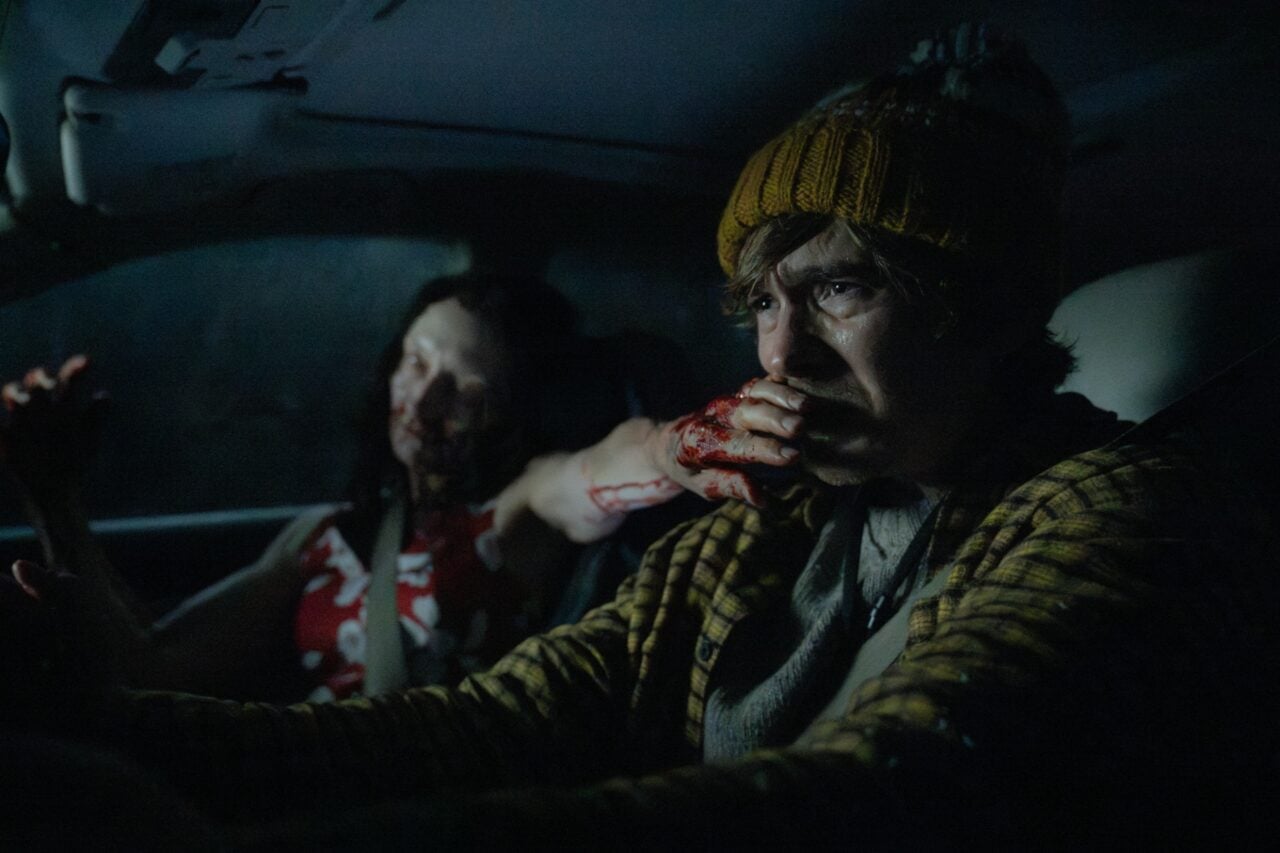
There is a peculiar physics to adapting a franchise as sprawling and self-contradictory as Resident Evil. The games themselves are not a canon; they are a multiverse of retcons, side stories, and tonal whiplash—survival horror that occasionally becomes action spectacle that occasionally becomes a chess drama between hyper-intelligent fungi. Any filmmaker entering that space is not translating a text but negotiating with a collective unconscious. Cregger's plea for fans to "chill" is therefore not dismissive; it's a survival strategy. He is attempting the impossible alchemy of distilling a Raccoon City-sized mythology into a two-hour containment field.
The deeper speculative question here is about the nature of adaptation in the 21st century. We tend to treat film adaptations as fidelity tests—grading them on how many boxed items they tick off a fan's mental spreadsheet. But as any time-travel theorist will tell you, trying to perfectly preserve a timeline is a fool's errand; you end up creating paradoxes. Cregger's stated ambition—give fans "enough"—suggests a different model. He's not building a museum of Resident Evil; he's building a wormhole that connects to its emotional core. In that framing, omission becomes a creative act, and the gaps left behind are not failures but open space for the audience's own imagination to fill with zombies.
And yet, the stakes are higher than nostalgia. Resident Evil has always been about the horror of corporate biotech gone feral, about the commodification of human flesh and the mutation of identity. There is real thematic resonance in Cregger's Barbarian background—his ability to find horror in the hideous underbelly of ordinary structures. A director who understands that the monster is not just the creature in the basement but the architecture that contains it is precisely the right handler for Umbrella's legacy. His comment that the movie "can't give them everything" might, then, be read as a kind of speculative honesty: the future of this franchise is not a return to what was, but a mutation into what comes next.
Ultimately, this is the eternal bargain of the speculative storyteller. You stand before an audience that has imagined a thousand versions of the world in their heads, and you must tell them that your artifact is simply one more timeline among many. Cregger is betting that "enough" is a threshold of emotional resonance, not a mountain of trivia. In a media ecology where IP is treated as sacred scripture, that's a refreshingly humanist heresy. As Gizmodo's report makes clear, the director is less concerned with perfect canonicity than with crafting an experience that survives contact with the fan imagination—a bar that, in this universe or any other, is the only one that truly matters.