Wildfire 'overlooked' as it was in the North - MP
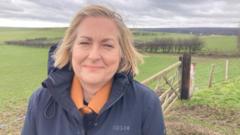
There is a quiet frustration that echoes through the Yorkshire Dales and the Lake District when disasters strike: the sense that the nation's gaze rarely lingers north of the Humber. Alison Hume's observation that the Langdale Moor fire was "overlooked" because it happened in the North taps into a deeper, long-simmering grievance about the geography of sympathy in British public life. When moorland burns in the Peak District or heathland catches fire in Dorset, the headlines flow freely; but a blaze on the North York Moors or in the Cumbrian fells often receives a footnote at best.
The MP's framing is significant not merely because it identifies a media blind spot, but because it raises a practical question: does attention translate into resources? Farmers who have lost grazing land, fencing, and livestock to the Langdale Moor fire face a long recovery, and if their plight goes unnoticed, the support they receive—whether from government schemes, charitable funds, or insurance frameworks—may be correspondingly diminished. This is not a matter of conspiracy but of political economy: disasters that capture the public imagination tend to attract relief packages, while those that do not are left to local authorities and community fundraising.
One might counter that every disaster, wherever it occurs, competes for limited attention, and that the North-South framing risks oversimplifying a more complex picture of media dynamics. There is also the argument that rural fires in the South, such as those on heathlands in Surrey or Dorset, have also struggled for sustained coverage. Yet the pattern Hume identifies is not easily dismissed. The "levelling up" agenda, whatever its merits, was itself a recognition that regional disparities in investment and attention are real and entrenched. If a wildfire in the North is treated as a local matter while a similar event elsewhere becomes a national story, then the MP's point deserves serious consideration.
The deeper issue here is about how we value rural economies and the people who sustain them. Farmers are not merely custodians of the landscape; they are the backbone of food production and rural livelihoods. When their losses are "overlooked," the message sent is that their contribution matters less than the scenery they manage. As the climate crisis makes wildfires more frequent and more severe, the question of how we allocate attention and aid will only grow more urgent. Whether the MP's intervention shifts the national conversation remains to be seen, but it has at least ensured that this particular fire will not be quietly forgotten.