Twenty Years of Watching One Galaxy, and It Made Less Sense
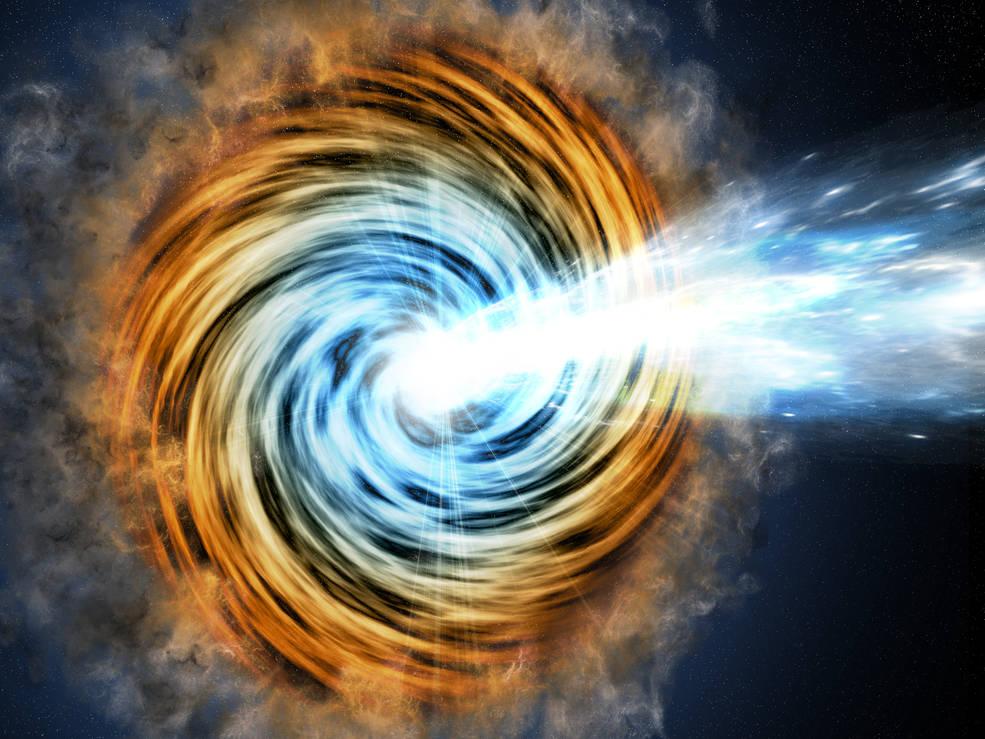
Twenty years. Two orbiting eyes. One galaxy that still refuses to play by our rules. The conclusion of this marathon watch isn't a neat answer—it's the unsettling discovery that our textbooks are missing a chapter. Humanity has been studying blazars like tourists snapping photos through a bus window, catching a few days of data every couple of years. This team actually moved in and lived there.
This is a rebellion against the tyranny of the snapshot. We find neat models because we take blurry, brief pictures. When you stare for two decades, reality gets messy. That 2012 signal, the one that makes the galaxy flicker in ways our models can't predict, is a slap of cosmic humility. It tells us that the engines driving these jets are far more chaotic and complex than our tidy theories. This isn't a failure; it's a beacon pointing to new physics hiding in plain sight.
It signals a shift in how we must observe the universe: patience isn't just a virtue, it's a scientific instrument.
So as we toast twenty years of data that confuses us, remember this: in the dark, the things that don't make sense are the only ones worth chasing.
{"key_insight":"Long-term observation breaks our tidy cosmic models, revealing chaos where we assumed order.