Pennsylvania Opens a New Loophole for Oil and Gas Wastewater Disposal
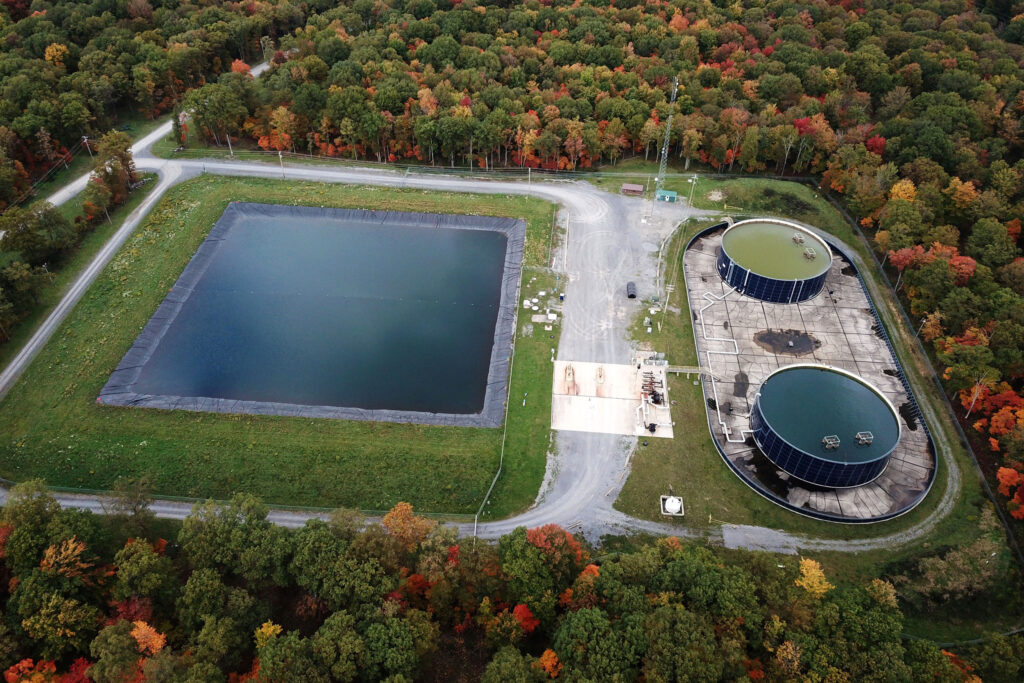
Pennsylvania's DEP will send an ordinary resident hunting for a collection event to drop off a can of paint thinner, but the oil and gas industry looks set to get a wider lane for getting rid of its wastewater. That contrast is the whole story in miniature. The waste in question is often the brine that comes up with gas wells, and it can carry heavy metals, salts, and even naturally occurring radioactive material. Treating it like a routine byproduct is a decision with real consequences for the state's waterways.
I'd want to know exactly what the new rule allows, and whether the DEP has the staffing and budget to keep track of where this wastewater ends up. Pennsylvania has a long history of oil and gas development, and also a long history of regulators playing catch-up after the damage is done. Loopholes tend to start small, then become the standard way of doing business.
The frustrating part is that the state already knows how to handle toxic waste carefully when it wants to. It just seems to apply that care selectively. If the industry gets an easier path, the public should at least get a clear answer on why, and what monitoring will be in place.