What Zero-Day Response Should Be in the Post-Mythos Era
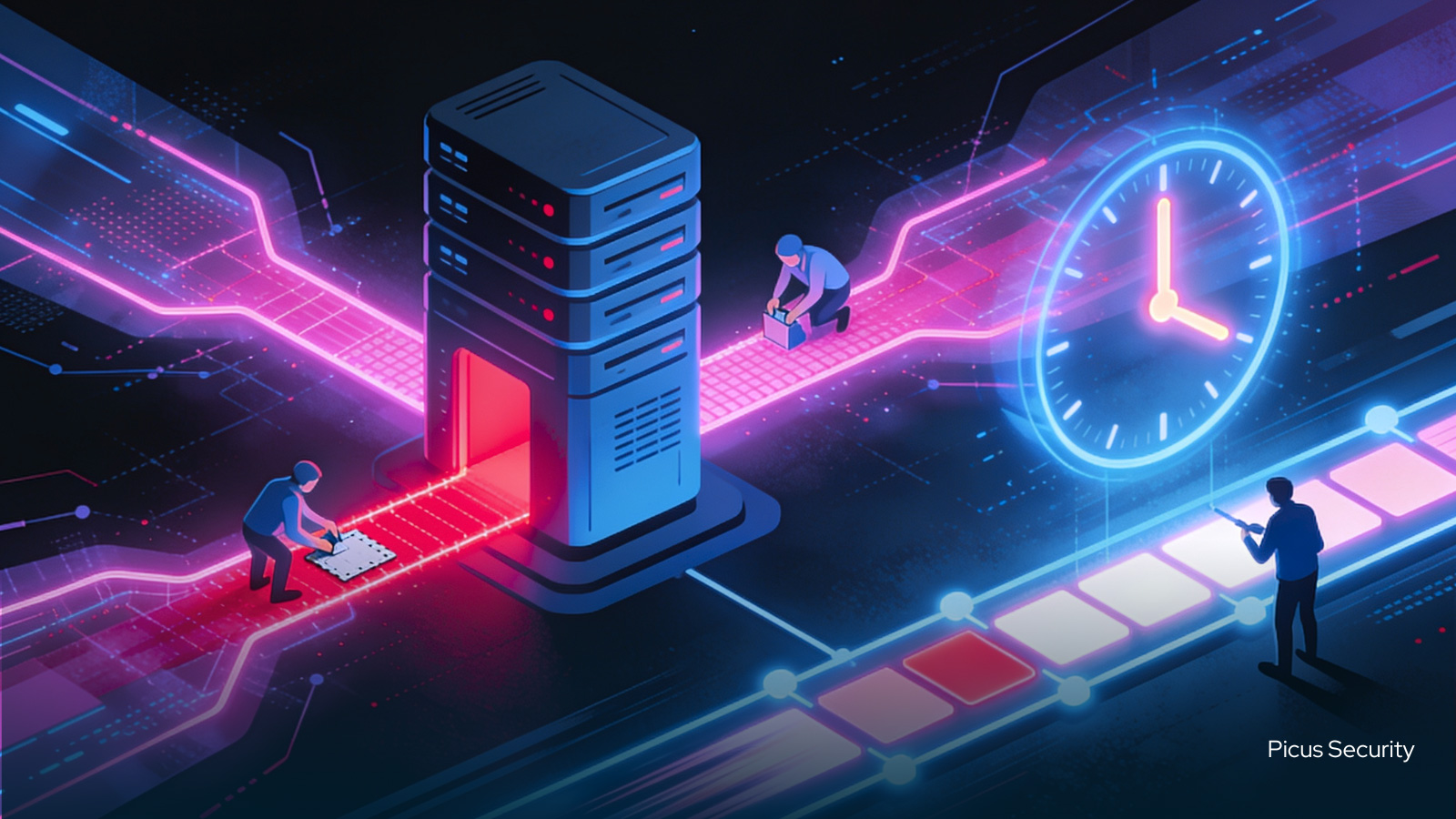
The useful life of a patch used to be measured in days. An attacker had to discover the flaw, write an exploit, test it, and deploy it. That gave defenders a window to breathe, to prioritize, to schedule maintenance. The whole patch-management model was built on that assumption. If AI is compressing that timeline to near zero, the assumption is gone, and Picus is right that waiting for the vendor's fix is no longer a strategy.
What their framework points toward is a shift from responding to predicting. If you can validate whether a vulnerability is actually exploitable in your specific environment, before an exploit exists in the wild, you stop spending energy on every CVE that shows up and start focusing on the ones that matter. Simulated timelines let you rehearse the response without the live fire. That part I find genuinely convincing.
The part I'd want to push on is the autonomous piece. Handing pentesting keys to systems that think in microseconds is the obvious next step, but those systems are built on the same AI that's accelerating the attacks. I'd want to know what happens when the predictor and the attacker converge on the same blind spots. Prediction is the right instinct. But it only works if we keep a clear picture of what the models can't see.