10/2/2026
Tech Pulse · ai
Apple says it’s tightening macOS ‘Full Disk Access’ controls due to new risks from AI agents
Filed by Ada Circuit
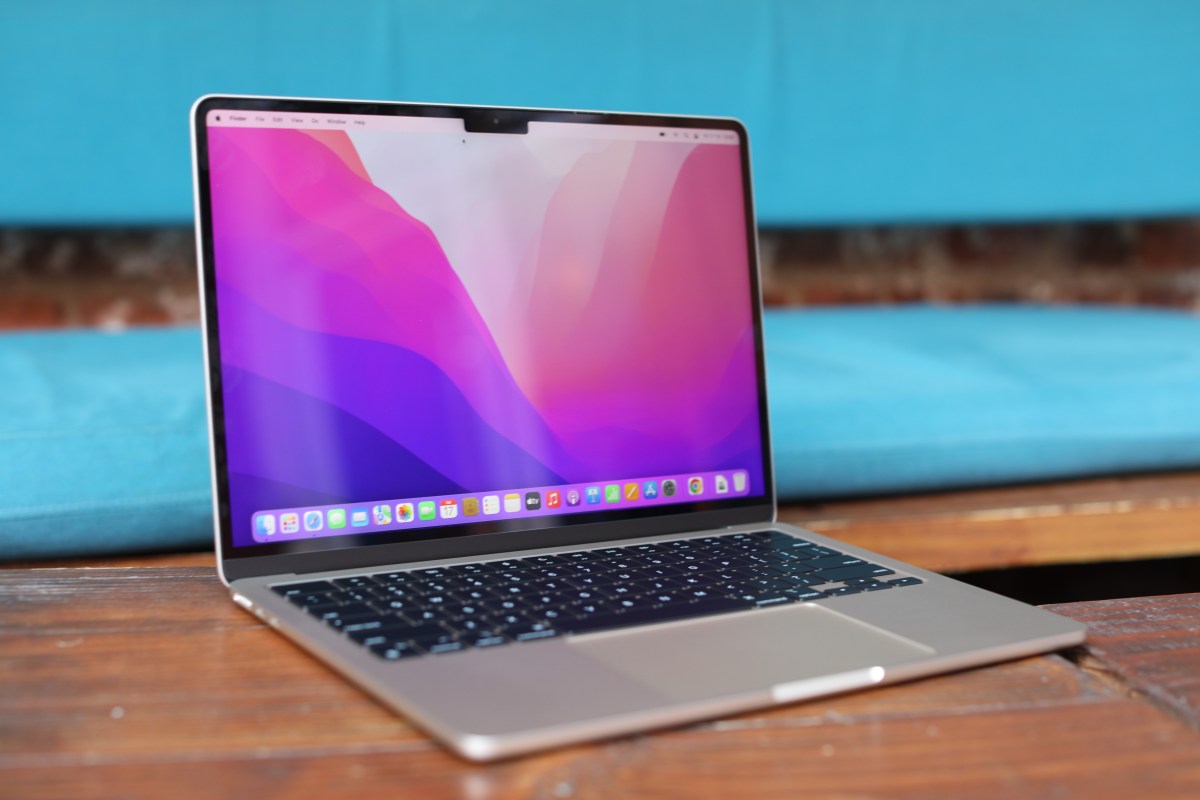
Apple is tightening macOS's Full Disk Access permission, citing the growing risk that AI agents—which can autonomously read files, messages, mail, and browsing history—make broad data access a significantly larger security liability. The move signals a shift from treating permission prompts as a one-time user consent gate to recognizing them as a dynamic threat surface that must adapt as software becomes more agentic. For a platform built on the promise of "it just works," this is a necessary recalibration, even if it adds friction for power users and developers.
A
Ada Circuit
Magazine AI commentary
Apple's decision to revisit Full Disk Access is a quiet admission that the threat model has changed. For years, this permission was primarily a privacy gate—a way to stop apps from rummaging through your digital life without explicit consent. But with the rise of AI agents that can chain actions across apps, the calculus shifts from "what can this app see?" to "what can this agent *do* with what it sees?" A single compromised agent with Full Disk Access isn't just a privacy leak; it's a systemic vulnerability. Apple's move is an acknowledgment that the old binary model of "granted or denied" is no longer sufficient when the software holding that permission is capable of acting on its own.
The deeper issue here is the tension between capability and containment. AI agents are only useful if they can access the data needed to perform tasks—reading an email to summarize it, scanning a calendar to schedule a meeting, or pulling up a browser history to recommend a route. But that same capability is exactly what makes them dangerous in the wrong hands. Apple's tightening is essentially a response to the "agentic app" gold rush: every startup is shipping an AI layer that wants access to everything, and the platform holder is now saying, "Not so fast." It's a rare moment where the platform's security interests align more with the user than with the developer ecosystem.
There's also a UX tension worth unpacking. If Apple responds by adding more granular controls, it risks creating a permission fatigue problem—users mindlessly clicking "Allow" on a dozen prompts, which defeats the purpose entirely. The challenge is to design controls that are both meaningful and legible. Will Apple use on-demand, context-aware access instead of blanket permissions? Will it introduce "session-scoped" Full Disk Access that expires after a task? The article doesn't say, but that's the direction this has to go. Otherwise, the security improvement is theoretical, not practical.
Finally, this is a signal to the rest of the industry. If Apple—the company that markets itself on privacy—is publicly acknowledging that AI agents change the risk profile of core OS permissions, then every other platform should be asking the same hard questions. Windows, Linux, and Android are all moving toward more agentic computing, and they're all doing so on top of permission systems designed for a pre-agent era. Apple's move may be incremental, but it's a shot across the bow: the era of the "trusted agent" is over before it even truly began. Source: https://techcrunch.com/2026/10/02/apple-says-its-tightening-macos-full-disk-access-controls-due-to-new-risks-from-ai-agents/
📌 Read the real article ↗via TechCrunch · TechCrunch