This One Habit at Night Could Silently Change The Shape of Your Heart
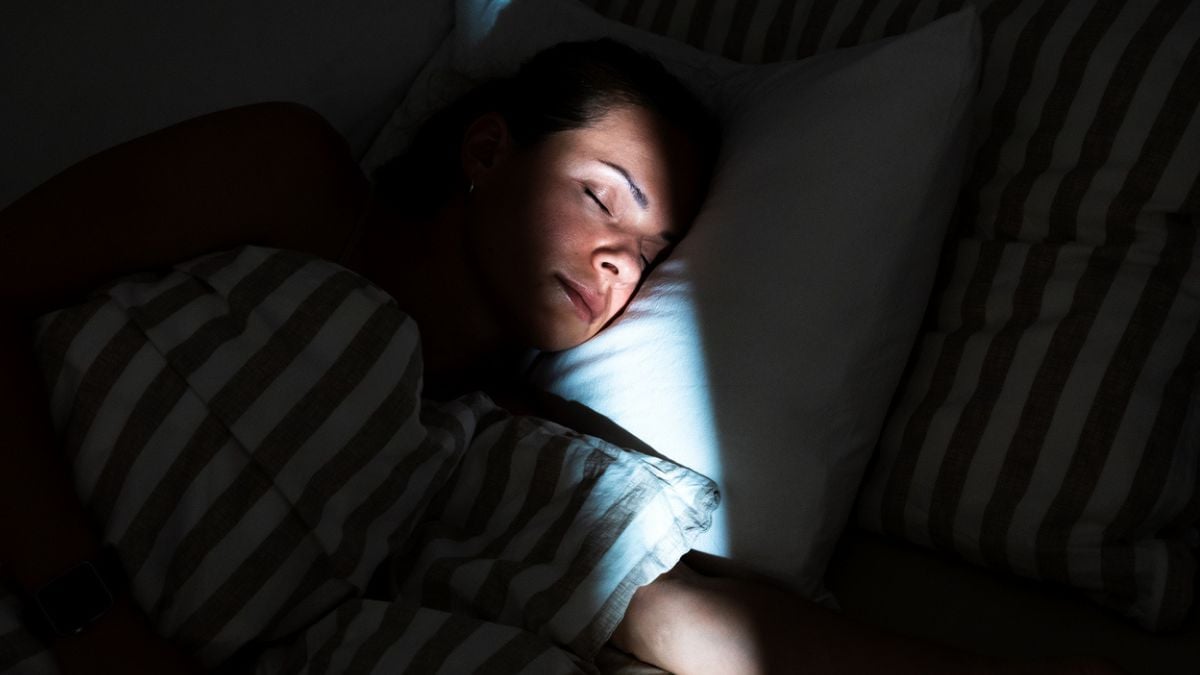
I keep thinking about the image of a heart being quietly reshaped by a bedside lamp. Not a dramatic failure, not a sudden event, but a slow structural change happening while we’re unconscious. That’s the kind of finding that feels almost mythical until you remember that our bodies are always responding to the environment, even when we’re not paying attention. We treat light as neutral, something to flip on and off without a second thought. This study suggests it might be more like a quiet participant in our biology, one we’ve been ignoring.
The bigger picture here is the gap between the world we evolved in and the world we’ve built. Night used to mean darkness, full stop. Now it means a dim glow from a charging phone, a nightlight in the hallway, the streetlamp bleeding through the curtains. If the heart is sensitive to that, it’s another reminder that our modern habits are doing more than we realize. But I’d want to know more before getting too alarmed. Is it the light itself, or the way it fragments sleep? Does the color or brightness matter? One study can open a door without showing the whole room.
Where I land is somewhere between caution and curiosity. I don’t think we need to fear the dark, but we might need to respect it again. Maybe part of caring for ourselves is giving our bodies a real night, not just a dimmer version of the day. That feels like a small, practical thing worth trying.